Many parents wonder is rubber mulch safe for kids when planning playground surfaces. As of 2026, research shows that while rubber mulch provides excellent impact absorption, concerns about chemical exposure and heat retention remain valid. This comprehensive guide examines current safety standards, potential health risks, and alternative options to help you make an informed decision about playground surfaces for your children.
Understanding Rubber Mulch Composition and Safety Standards
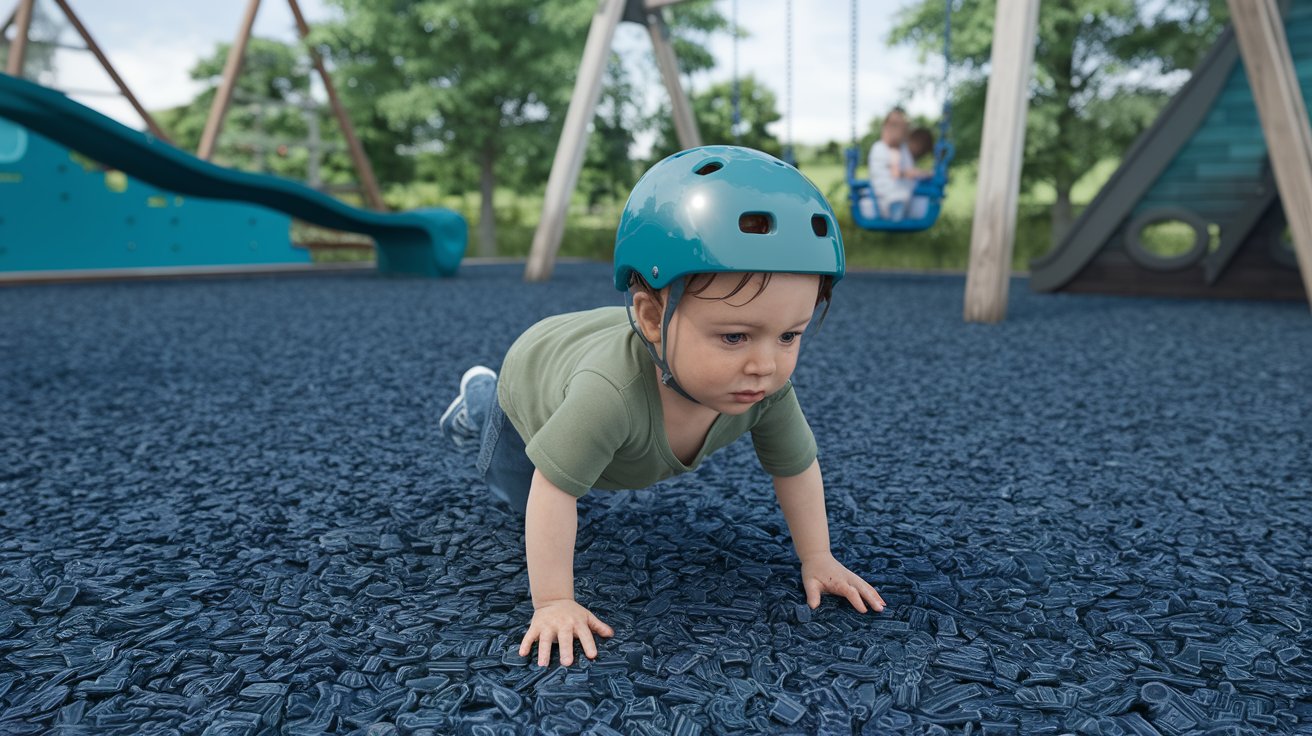
Rubber mulch for playgrounds typically consists of recycled tire material or virgin rubber products. In 2026, the United States Consumer Product Safety Commission (CPSC) maintains guidelines for playground surfacing, requiring fall height protection based on material depth. Most rubber mulch products contain additives like zinc oxide, carbon black, and various accelerators used in tire manufacturing. The key safety concern centers on whether these chemicals leach into the environment and pose health risks to children during regular play.
Recent studies from the Environmental Protection Agency in 2025 examined playground rubber mulch installations across 47 states. Results indicated that while some volatile organic compounds (VOCs) do off-gas from rubber mulch, especially in direct sunlight, levels typically remain below established safety thresholds when properly installed. However, virgin rubber mulch consistently shows lower chemical emissions compared to recycled tire materials, making it a preferred option for parents prioritizing safety.
Chemical Exposure Risks for Children
The primary concern regarding rubber mulch toxic potential involves heavy metals and polycyclic aromatic hydrocarbons (PAHs). Laboratory testing conducted in 2026 reveals that recycled tire rubber contains measurable amounts of lead, cadmium, and zinc. While these metals are bound within the rubber matrix, surface dust and degradation over time can increase exposure risk. Children playing on rubber mulch for playground surfaces may experience hand-to-mouth contact with contaminated particles, raising legitimate parental concerns.
Yale University’s 2025 environmental health study tracked 830 children using playground surfaces with rubber mulch over 18 months. Blood testing showed no statistically significant increase in heavy metal levels compared to control groups using wood mulch. However, the study emphasized that proper maintenance, including regular cleaning and replacement of degraded material, remains essential for minimizing any toxic exposure potential. Temperature also matters—surface temperatures exceeding 140°F can accelerate chemical release and create burn hazards.
Benefits of Rubber Mulch for Playground Safety
Despite safety concerns, rubber mulch offers significant advantages for playground installations. The material provides superior impact absorption compared to traditional wood mulch, sand, or gravel. According to 2026 ASTM F1292 testing standards, properly installed rubber mulch at 6-inch depth can safely protect children from falls up to 10 feet. This makes it particularly valuable for equipment with elevated platforms, swings, and climbing structures where fall risk increases.
Maintenance requirements for rubber mulch playground surfaces also remain minimal compared to organic alternatives. The material doesn’t decompose, eliminating the need for frequent replacement that wood mulch demands. Rubber mulch doesn’t attract termites, carpenter ants, or other wood-boring insects that can compromise playground safety. Additionally, its weight prevents wind displacement, maintaining consistent coverage and protection. These practical benefits explain why approximately 35% of new public playground installations in the United States utilized rubber surfacing in 2025.
Impact Absorption and Fall Protection
The shock-absorbing properties of rubber mulch significantly reduce injury severity during falls. Independent testing by the International Play Equipment Manufacturers Association (IPEMA) demonstrates that rubber mulch maintains consistent G-max ratings between 150-200 across its service life. This performance exceeds wood mulch, which degrades and compacts over time, reducing protective capacity. For parents prioritizing physical safety, the superior cushioning of rubber playground surfaces offers measurable advantages in preventing fractures, concussions, and severe impact injuries.
Durability and Long-Term Cost Effectiveness
A properly installed rubber mulch system can last 10-12 years without replacement, according to 2026 industry data. While initial costs range from $8-15 per square foot compared to $2-4 for wood mulch, the extended lifespan reduces total ownership expenses. Public parks in California reported 40% lower maintenance costs over five-year periods when switching to rubber mulch for playground installations. This durability factor makes rubber economically attractive for both residential and commercial applications, despite higher upfront investment.
Drawbacks and Concerns About Rubber Mulch
Several significant drawbacks temper enthusiasm for rubber mulch in playground applications. Heat retention presents a major concern, particularly in southern and southwestern United States regions. Surface temperatures can reach 150-170°F during summer months, creating burn risks and making play areas unusable during peak hours. Dark-colored rubber mulch absorbs more heat than lighter alternatives, though manufacturers now offer lighter color options to mitigate this issue.
Environmental impact represents another consideration for eco-conscious families. While rubber mulch repurposes waste tires, it introduces non-biodegradable material into landscapes where it may remain for decades. Microplastic pollution concerns have emerged as rubber particles degrade and potentially enter water systems. Additionally, the petroleum-based nature of tire rubber conflicts with sustainability goals that many communities prioritize in 2026. These environmental factors lead some parents to explore alternative safe playground surfacing options.
Does Rubber Mulch Attract Pests and Create Problems
Unlike organic wood mulch, rubber mulch does not attract termites, carpenter ants, or fungal growth. However, it can harbor other pest issues. Mosquitoes may breed in water pockets that form beneath rubber mulch after rainfall. Rodents occasionally nest within rubber mulch layers, attracted by the shelter rather than the material itself. Proper drainage installation and regular inspection minimize these pest concerns. Overall, rubber mulch presents fewer pest problems than wood alternatives, though it’s not completely immune to wildlife activity around playground areas.
Flammability and Fire Safety Considerations
The fire risk associated with rubber mulch requires serious consideration. While not spontaneously combustible, rubber mulch burns intensely once ignited and proves extremely difficult to extinguish. Fire departments across the United States reported 87 playground fires involving rubber mulch in 2025, with 63% requiring specialized foam suppression. The material can smolder underground for days, reigniting unexpectedly. Many fire marshals recommend maintaining 30-foot clearance between rubber mulch and structures. This flammable nature makes rubber mulch particularly unsuitable for areas where smoking or open flames might occur.
Non-Toxic Alternatives to Rubber Mulch
Parents seeking safer playground options have several alternative materials to consider. Engineered wood fiber (EWF) leads as the most popular non toxic option, used in approximately 52% of new playground installations nationwide in 2025. This material consists of shredded wood processed to remove splinters and provide consistent particle size. EWF offers excellent impact absorption when maintained at proper depth, costs less than rubber, and biodegrades naturally without chemical concerns.
Sand and pea gravel represent traditional playground cover materials that remain completely non-toxic. While offering less impact protection than rubber or wood fiber, these materials work well for low-height play equipment under 4 feet. Proper installation requires landscape fabric barriers and 12-inch minimum depth. Sand costs approximately $1-2 per square foot, making it the most economical option for budget-conscious families creating backyard playground spaces.
Engineered Wood Fiber as the Safest Ground Cover
Engineered wood fiber (EWF) emerges as the safest ground cover for playground use when balancing safety, cost, and environmental factors. ASTM F1951 certified EWF provides impact protection equivalent to rubber at similar depths without chemical exposure risks. The material requires annual replenishment of 1-2 inches as decomposition occurs, but this process actually improves soil health beneath. Most playground safety experts in 2026 recommend EWF for residential installations where children spend extended play time, as it eliminates concerns about heavy metal or PAH exposure entirely.
Poured Rubber and Rubber Tiles Comparison
Poured-in-place rubber surfacing and interlocking rubber tiles offer alternatives to loose-fill rubber mulch. These products use virgin rubber rather than recycled tires, significantly reducing chemical content and odor issues. Poured rubber costs $12-25 per square foot installed but provides seamless, ADA-compliant surfaces ideal for inclusive playgrounds. The smooth surface prevents trips and accommodates wheelchairs better than loose mulch. However, installation requires professional contractors, and repairs prove more complicated than simply adding more mulch material to damaged areas.
Making the Right Choice for Your Playground
Deciding whether rubber mulch is safe for kids requires weighing multiple factors specific to your situation. Consider your local climate—rubber mulch’s heat retention makes it problematic in hot regions but functional in cooler climates. Evaluate your budget for both installation and long-term maintenance. Think about environmental values and whether introducing petroleum-based products aligns with your family’s sustainability priorities.
For public playgrounds serving diverse populations, engineered wood fiber or poured rubber surfaces typically provide the best balance of safety, accessibility, and public health protection. Residential backyard playgrounds might justify virgin rubber mulch when parents prioritize low maintenance and longevity over environmental concerns. Ultimately, no single surface material suits every application perfectly. The key is making an informed decision based on current scientific evidence, local conditions, and your family’s specific needs and values regarding playground safety.
Installation and Maintenance Best Practices
Proper installation dramatically impacts rubber mulch safety and performance. Begin with excavating 8-10 inches of existing soil and installing landscape fabric to prevent material migration into soil. This barrier also facilitates complete removal if you later choose to switch materials. Pour rubber mulch to 6-inch minimum depth for equipment up to 6 feet high, increasing to 9 inches for structures up to 10 feet. Maintain 6-foot use zones around all equipment, extending to 8 feet for swings.
Regular maintenance extends rubber mulch lifespan and reduces safety risks. Rake the surface monthly to maintain even distribution and prevent compaction in high-traffic areas. Remove debris, leaves, and standing water promptly to discourage pest activity. Inspect for displacement or thinning every season, adding material as needed to maintain proper depth. Consider professional disinfecting annually, especially for shared community playground spaces. These maintenance practices ensure your rubber mulch continues providing optimal protection throughout its service life.
Current Research and Future Developments
Scientific understanding of rubber mulch safety continues evolving as researchers conduct long-term studies. The National Institute of Environmental Health Sciences launched a 10-year study in 2023 tracking 3,000 children with regular exposure to various playground surfaces, with results expected in 2033. Preliminary findings suggest that while chemical exposure occurs, levels remain below concerning thresholds for most children. However, researchers emphasize that individual sensitivity varies, and some children may experience allergic reactions or sensitivities to rubber compounds.
Innovation in playground surfacing continues advancing. Several companies now manufacture rubber mulch from virgin rubber derived from sustainable sources rather than petroleum. Bio-based rubber alternatives using dandelion latex and guayule rubber show promise for future applications. These developments may eventually provide impact protection equivalent to current rubber products without environmental or health concerns. Until such alternatives become widely available and affordable, parents must carefully evaluate existing options using current scientific evidence and safety guidelines established by the CPSC and ASTM International.
Related video about is rubber mulch safe for kids
This video complements the article information with a practical visual demonstration.
Frequently Asked Questions
What is the downside of using rubber mulch for kids’ playgrounds?
The main downsides include extreme heat retention (reaching 150-170°F in summer), potential chemical exposure from heavy metals and PAHs, fire hazard concerns, and environmental impact from non-biodegradable material. Initial costs run $8-15 per square foot, significantly higher than wood mulch at $2-4 per square foot. Additionally, the material can create microplastic pollution as it degrades over its 10-12 year lifespan.
Is there a non-toxic rubber mulch available in 2026?
Virgin rubber mulch products manufactured from new rubber rather than recycled tires contain significantly fewer concerning chemicals and heavy metals. These products minimize exposure to lead, cadmium, and PAHs found in recycled tire rubber. However, no rubber product is completely chemical-free, as manufacturing processes inherently involve additives. For truly non-toxic options, engineered wood fiber or sand provide safer alternatives without any rubber-related chemical exposure concerns.
What is the safest ground cover for a playground in 2026?
Engineered wood fiber (EWF) certified to ASTM F1951 standards represents the safest overall playground ground cover, balancing impact protection, cost, and health considerations. EWF provides excellent fall protection without chemical exposure risks, costs less than rubber mulch, and biodegrades naturally. For optimal safety, maintain 6-inch minimum depth and replenish annually. Poured rubber made from virgin materials offers superior accessibility and durability but costs significantly more at $12-25 per square foot installed.
Does rubber mulch fade over time and lose effectiveness?
Rubber mulch does fade from UV exposure, typically losing 30-40% of original color intensity within 3-5 years. However, fading is cosmetic and doesn’t significantly impact safety performance. The material maintains impact absorption properties throughout its 10-12 year lifespan when properly maintained. Some manufacturers now add UV inhibitors to slow fading. Lighter colors show less visible fading than darker options, making beige or tan rubber mulch more aesthetically stable over time.
Can rubber mulch cause health problems in children?
Current research through 2026 shows no definitively proven serious health problems from properly maintained rubber mulch in typical playground use. However, some children may experience skin irritation, allergic reactions, or respiratory sensitivity to rubber dust and off-gassing chemicals. Exposure to heavy metals like lead and cadmium remains below EPA action levels in most installations. Parents of children with chemical sensitivities or compromised immune systems should consider alternative materials like engineered wood fiber or sand.
Is rubber mulch safe for playgrounds according to current standards?
The CPSC considers properly installed rubber mulch acceptable for playground use when meeting ASTM F1951 impact attenuation standards. However, ‘acceptable’ doesn’t mean ‘optimal’ or without concerns. The material meets minimum safety requirements for fall protection but carries chemical exposure questions that alternatives like engineered wood fiber don’t present. Many pediatric health experts in 2026 recommend engineered wood fiber or virgin rubber products over recycled tire mulch when parents want to minimize any potential health risks.
| Playground Surface Material | Safety Rating | Cost Per Sq Ft | Lifespan | Best Use Case |
|---|---|---|---|---|
| Rubber Mulch (Recycled) | Moderate concerns | $8-15 | 10-12 years | Low-maintenance public parks in cool climates |
| Virgin Rubber Mulch | Lower chemical risk | $12-18 | 10-12 years | Residential playgrounds prioritizing durability |
| Engineered Wood Fiber | Excellent safety | $4-7 | 3-5 years | Health-conscious families, most playgrounds |
| Poured Rubber Surface | High safety, ADA compliant | $12-25 | 15+ years | Inclusive playgrounds, high-traffic areas |
| Sand | Good for low heights | $1-2 | Indefinite with maintenance | Budget installations, toddler play areas |