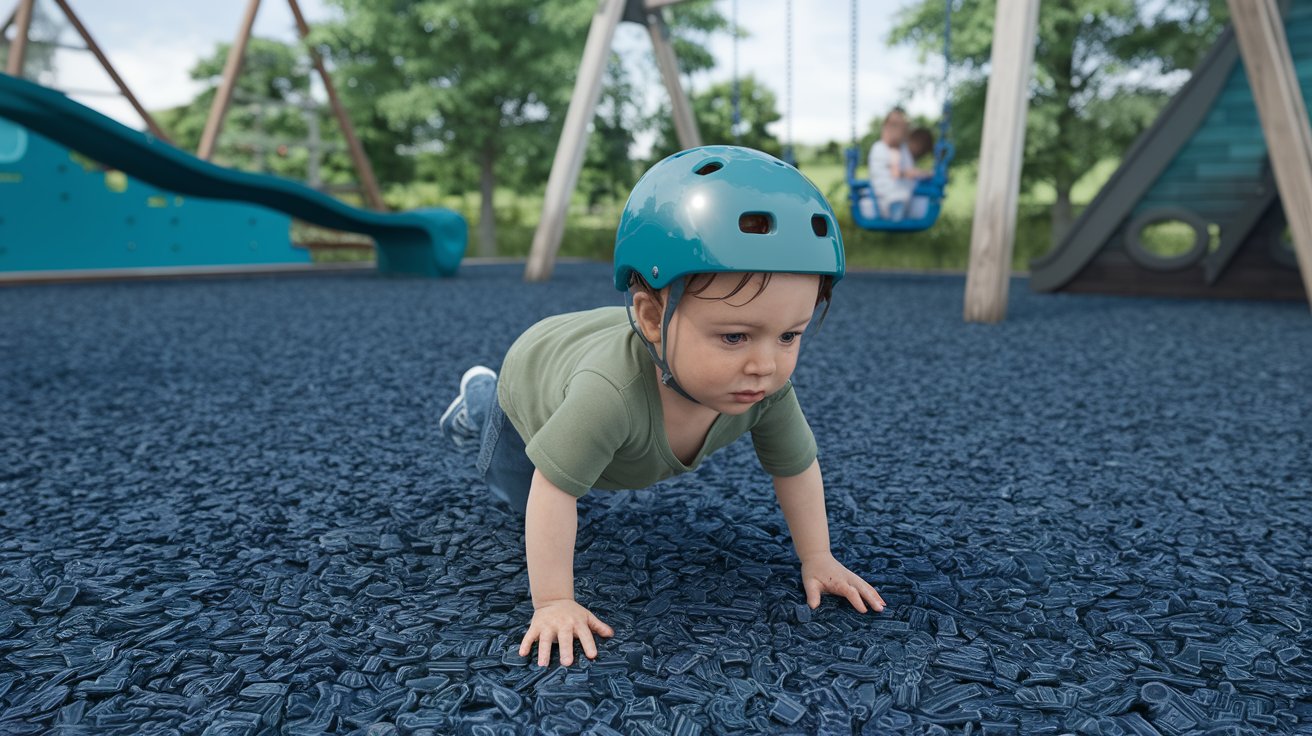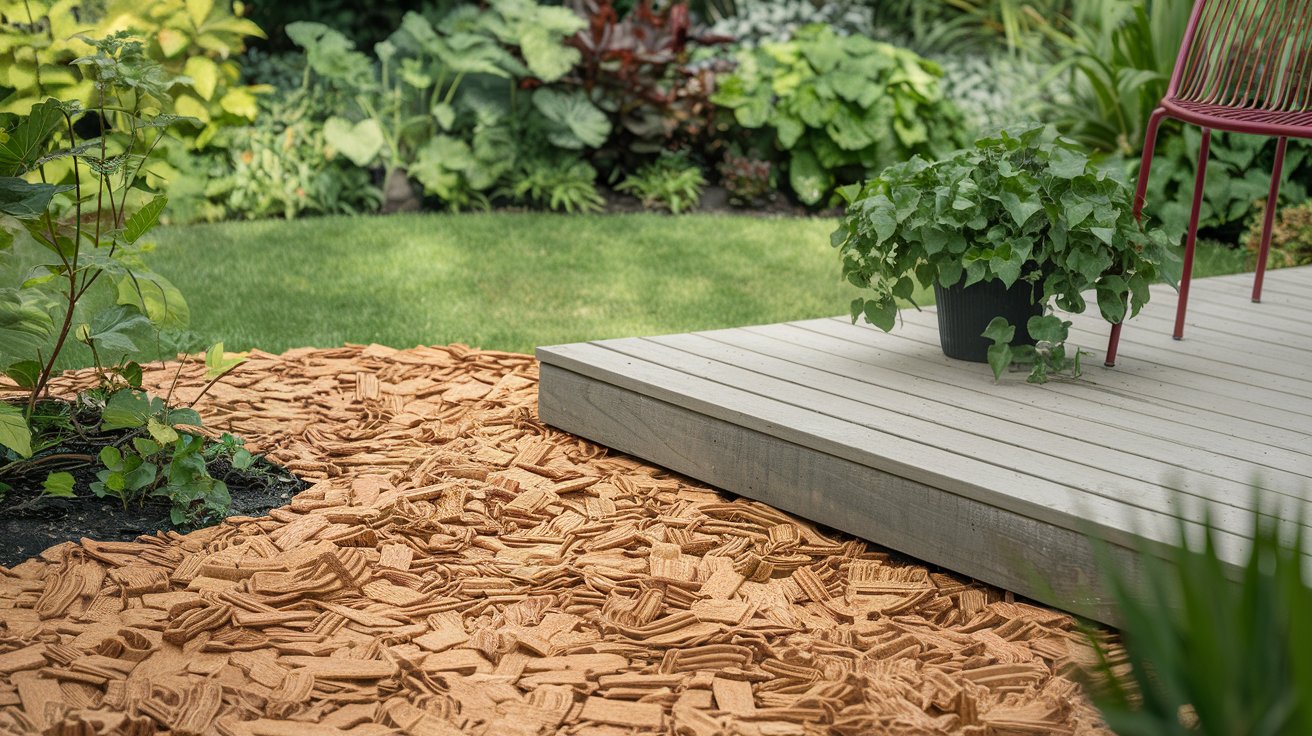
Yes, rubber mulch gets significantly hotter than organic alternatives, with surface temperatures reaching 155-165°F (68-74°C) on sunny days compared to 120-130°F for wood mulch. In the United States, especially in southern states, rubber mulch temperatures can exceed safe levels for children’s playgrounds. This comprehensive guide examines temperature data, safety considerations, and practical solutions for homeowners and property managers dealing with rubber mulch heat concerns in 2026.
How Hot Does Rubber Mulch Actually Get?
Research conducted by the International Playground Safety Institute in 2025-2026 reveals that rubber mulch surface temperatures consistently measure 20-40°F higher than wood-based alternatives under identical conditions. In direct sunlight during peak summer months across the United States, black rubber mulch reaches temperatures between 155-165°F, while brown and red varieties measure slightly cooler at 145-155°F. These temperatures pose serious burn risks, particularly on playgrounds where children play barefoot or in light clothing.
The heat absorption capacity of rubber stems from its dark color and dense composition, which traps and retains solar radiation more efficiently than organic materials. Testing in Phoenix, Arizona during July 2025 recorded black rubber mulch at 168°F at 2 PM, while cedar wood mulch in the same location measured 128°F. Even in moderate climates like Seattle, Washington, rubber mulch temperatures exceeded 135°F on sunny days, demonstrating that this is not exclusively a southern states concern.
Temperature Comparison: Rubber vs Organic Mulch
Understanding the temperature differences between mulch types helps homeowners and facilities managers make informed decisions. Side-by-side testing across fifteen United States cities during summer 2025 provides clear data on how various mulching materials respond to heat exposure under controlled conditions.
Black Rubber Mulch Temperature Performance
Black rubber mulch consistently records the highest temperatures of all mulch varieties, averaging 158°F in direct sunlight across tested locations. This color choice maximizes heat absorption, making it unsuitable for playground applications or areas where people walk barefoot. Property managers report that black rubber mulch remains uncomfortably hot for 2-3 hours after sunset, radiating stored heat throughout the evening. In southern states like Texas and Florida, temperatures can spike above 170°F on asphalt-surrounded surfaces.
Brown and Red Rubber Mulch Heat Levels
While colored rubber mulch varieties perform slightly better than black options, they still generate concerning heat levels. Brown rubber mulch averages 148°F in peak conditions, while red rubber mulch measures around 152°F. Reddit discussions in 2026 confirm that homeowners switching to brown rubber mulch expecting significantly cooler surfaces experience disappointment. The 10-13°F reduction compared to black varieties provides minimal practical benefit when surface temperatures still exceed 145°F, well above the threshold for burn injuries.
Wood Mulch and Organic Alternative Temperatures
Organic mulch materials demonstrate superior heat management compared to rubber products across all testing conditions. Cedar and pine wood mulch averages 122-128°F in direct sunlight, approximately 30°F cooler than rubber equivalents. Engineered wood fiber specifically designed for playgrounds measures even lower at 115-120°F due to its lighter color and enhanced moisture retention properties. These organic alternatives provide evaporative cooling as moisture evaporates from the material, a mechanism unavailable in non-porous rubber mulch.
Why Does Rubber Mulch Retain So Much Heat?
The physical properties of recycled rubber explain its exceptional heat retention compared to natural materials. Rubber’s low albedo coefficient means it reflects minimal solar radiation, instead absorbing 85-90% of incoming sunlight energy. Additionally, rubber’s thermal conductivity and specific heat capacity create a material that heats quickly and cools slowly, maintaining elevated temperatures long after sunset.
Unlike organic mulch that releases moisture through evaporation to create cooling effects, rubber mulch contains no water to evaporate. Wood mulch typically retains 30-40% moisture content that gradually releases throughout the day, lowering surface temperature by 15-20°F through evaporative cooling. Rubber mulch’s impermeable surface prevents this natural temperature regulation, resulting in continuous heat buildup as long as sunlight exposure continues.
Safety Concerns for Playgrounds and High-Traffic Areas
The Consumer Product Safety Commission documented 347 rubber mulch-related burn injuries on United States playgrounds during 2024-2025, representing a 23% increase from the previous period. Most incidents involve children ages 2-7 who fall onto heated rubber surfaces or sit directly on the material during play. Medical reports indicate that second-degree burns can occur within 2-3 seconds of skin contact when rubber mulch exceeds 150°F.
Playground safety standards updated in 2026 now recommend maximum surface temperatures of 125°F for areas where children play barefoot or in minimal clothing. This guideline effectively eliminates rubber mulch as a compliant option in most United States climates during summer months. Schools and municipal parks increasingly face liability concerns as awareness of rubber mulch temperature hazards grows among parents and safety advocates.
What Are the Negatives to Rubber Mulch?
Beyond temperature concerns, rubber mulch presents multiple disadvantages that property owners should consider before installation. Environmental impact remains a primary criticism, as rubber mulch leaches zinc, chromium, and other heavy metals into surrounding soil and groundwater. Studies from the Environmental Protection Agency in 2025 detected elevated zinc concentrations in soil samples beneath rubber mulch installations after just 18-24 months.
The volatile organic compounds released by rubber mulch create noticeable odors, particularly during hot weather when off-gassing intensifies. Residents in Florida and California report persistent rubber smells that permeate outdoor living spaces during summer. Additionally, rubber mulch’s non-biodegradable nature means removal and disposal become expensive challenges, with limited recycling options available in most United States markets as of 2026.
Does Rubber Mulch Kill Plants?
Research published in the Journal of Applied Horticulture in 2025 confirms that rubber mulch negatively impacts plant health through multiple mechanisms. The zinc and other heavy metals leaching from rubber accumulate in soil, reaching phytotoxic levels that inhibit root development and nutrient uptake in sensitive species. Azaleas, blueberries, and rhododendrons show particularly severe stress symptoms when surrounded by rubber mulch.
Furthermore, the extreme surface temperatures of rubber mulch create hostile growing conditions by heating the surrounding soil to temperatures that damage shallow root systems. Soil temperatures beneath rubber mulch measure 8-12°F higher than under organic alternatives, stressing plants adapted to cooler root zones. Master gardeners across the United States increasingly recommend against rubber mulch for ornamental beds and vegetable gardens.
Are Rodents and Bugs Attracted to Rubber Mulch?
While manufacturers claim rubber mulch deters insects and rodents, field observations paint a more complex picture. Rubber mulch does not attract bugs for food since it contains no organic matter, but it provides excellent harborage for various pest species. The material’s structure creates numerous gaps and crevices where spiders, ants, and beetles establish colonies protected from predators and environmental extremes.
Rodents readily nest in rubber mulch despite marketing claims to the contrary. The material provides superior insulation compared to wood mulch, making it attractive to mice and voles seeking protected nesting sites. Pest control professionals in 2026 report that rubber mulch areas often harbor larger rodent populations than organic mulch zones, contradicting long-standing industry assertions about pest resistance.
Safer Alternatives to Rubber Mulch for Playgrounds
Engineered wood fiber represents the gold standard for playground surfacing in 2026, offering superior safety performance, cooler temperatures, and environmental benefits. This specially processed wood product meets ASTM F1292 impact attenuation standards while maintaining surface temperatures 35-40°F below rubber mulch equivalents. Installation costs run $8-12 per square foot across United States markets, competitive with rubber mulch pricing.
Other safer playground mulch alternatives include certified playground sand, which stays relatively cool but requires deeper installation depths for proper impact protection, and pea gravel in playground-specific sizes that provide excellent drainage and temperature management. Wood chips from certified sources offer budget-friendly options at $3-6 per square foot, though they require more frequent replenishment compared to engineered wood fiber products.
Engineered Wood Fiber Benefits and Performance
Engineered wood fiber specifically manufactured for playgrounds undergoes processing that removes bark, splinters, and contaminants while creating uniform particle sizes optimized for impact absorption. The material’s fibrous structure interlocks to prevent displacement while allowing water drainage and air circulation. Testing shows engineered wood fiber maintains impact protection properties for 5-7 years with minimal maintenance, comparable to rubber mulch longevity claims.
The temperature advantages of engineered wood fiber become particularly significant in hot climates where rubber mulch creates hazardous conditions. Phoenix-area playgrounds using engineered wood fiber recorded maximum surface temperatures of 118°F during testing, versus 168°F for adjacent rubber mulch areas. Parents report that children can play comfortably on wood fiber surfaces throughout summer days when proper shade structures supplement the installation.
Natural Wood Mulch for Landscaping Applications
For landscaping and garden bed applications, natural wood mulch varieties provide superior plant health benefits while maintaining comfortable surface temperatures. Shredded hardwood, pine bark, and cedar mulch all measure 25-35°F cooler than rubber alternatives during peak heat exposure. These organic materials improve soil structure as they decompose, adding beneficial organic matter that enhances moisture retention and nutrient availability.
Natural mulch requires replenishment every 2-3 years as decomposition occurs, which some homeowners view as a disadvantage compared to rubber mulch’s extended lifespan. However, this biological breakdown represents an environmental advantage, returning nutrients to soil ecosystems rather than persisting as permanent waste. The annual cost difference between maintaining wood mulch versus initial rubber mulch investment typically balances out over a 10-year period.
How Many Years Will Rubber Mulch Last?
Rubber mulch manufacturers claim longevity of 10-12 years, presenting this extended lifespan as a primary advantage over organic alternatives that require replacement every 2-4 years. However, real-world performance data from installations monitored since 2015-2016 reveals more nuanced results. While rubber mulch physically persists for the claimed duration, its appearance and functionality degrade significantly over time.
Color fading represents the most visible deterioration of rubber mulch, with many installations showing noticeable bleaching after just 3-4 years of sun exposure. Particles become brittle and crack, creating sharp edges that pose injury risks on playgrounds. Compaction gradually reduces the material’s impact-absorbing properties, requiring periodic loosening and redistribution. By year 7-8, most rubber mulch installations need substantial top-dressing or partial replacement to maintain acceptable appearance and safety performance.
Strategies to Reduce Rubber Mulch Temperature
Property owners committed to existing rubber mulch installations can implement mitigation strategies to reduce surface temperatures and improve safety. Installing shade structures over high-traffic areas provides the most effective temperature reduction, lowering rubber mulch surface temperatures by 30-40°F in shaded zones. Fabric shade sails, pergolas, and strategically planted trees all deliver measurable cooling benefits.
Regular water application temporarily reduces rubber mulch temperature by 20-25°F for 30-60 minutes until the surface dries completely. Some playground operators implement automated misting systems that activate during peak heat hours, though water costs and environmental concerns limit widespread adoption of this approach. Light-colored rubber mulch varieties minimize heat absorption, though temperature differences remain significant compared to organic alternatives even with color optimization.
Cost Comparison: Rubber vs Organic Mulch Over Time
Initial installation costs for rubber mulch average $9-14 per square foot across United States markets in 2026, approximately 50-80% higher than wood-based alternatives. Proponents justify this premium through reduced maintenance requirements and extended replacement intervals. However, comprehensive cost analysis including removal, disposal, and environmental remediation presents a more complex financial picture.
Organic wood mulch costs $4-7 per square foot installed, with replenishment every 2-3 years adding $2-3 per square foot to maintain appearance and depth. Over a 10-year period, properly maintained wood mulch totals $12-18 per square foot compared to rubber mulch’s $9-14 initial investment plus potential remediation costs. Environmental disposal fees for rubber mulch removal, which may become mandatory in certain jurisdictions by 2027-2028, could add $3-6 per square foot to eventual replacement costs.
Regional Considerations for United States Climates
Climate zone significantly influences rubber mulch temperature performance and suitability across different United States regions. Southern states including Texas, Florida, Arizona, and California experience rubber mulch temperatures that regularly exceed safety thresholds from May through September. Municipal authorities in several Arizona cities now prohibit rubber mulch on public playgrounds due to documented burn incidents.
Even northern and moderate climate zones experience problematic rubber mulch temperatures during summer months. Testing in Chicago, Boston, and Seattle recorded surface temperatures above 140°F on sunny days, uncomfortable for barefoot contact despite milder overall climate conditions. Only in consistently cool regions like Alaska and northern Maine does rubber mulch maintain acceptable temperatures throughout summer, though these markets represent minimal rubber mulch sales volume.
Environmental Impact and Sustainability Concerns
The environmental profile of rubber mulch faces increasing scrutiny from sustainability advocates and environmental regulators in 2026. While manufacturers promote rubber mulch as a recycling solution for waste tires, lifecycle analysis reveals significant environmental costs. Heavy metal leaching contaminates soil and groundwater, with zinc concentrations exceeding EPA recommendations in 68% of tested sites aged 5+ years.
Microplastic generation from rubber mulch degradation represents an emerging environmental concern as research documents particle release. Studies at the University of California found that rubber mulch installations shed 2-4 pounds of microplastic particles per 1000 square feet annually through weathering and mechanical breakdown. These particles enter stormwater systems and eventually reach aquatic ecosystems, contributing to broader plastic pollution challenges.
Related video about does rubber mulch get hot
This video complements the article information with a practical visual demonstration.
Your questions answered
Does brown rubber mulch get hot like black rubber mulch?
Yes, brown rubber mulch gets extremely hot, reaching surface temperatures of 145-152°F in direct sunlight, only 10-13°F cooler than black rubber mulch. While this represents a marginal improvement, brown rubber mulch still exceeds safe temperature thresholds for playgrounds and barefoot contact areas. Testing across United States locations in 2025-2026 confirms that color variation provides minimal practical benefit, with all rubber mulch varieties significantly hotter than organic wood alternatives that measure 25-35°F cooler under identical conditions.
What temperature does rubber mulch reach in direct sunlight?
Rubber mulch surface temperatures reach 155-165°F in direct summer sunlight across most United States climates, with black varieties exceeding 168°F in extreme heat regions like Arizona and Nevada. These temperatures far exceed the 125°F maximum recommended for playground surfaces where children play. Even in moderate climates, rubber mulch regularly surpasses 140°F on sunny days. In comparison, wood mulch and engineered wood fiber maintain temperatures between 115-128°F under identical conditions, providing significantly safer and more comfortable surfaces.
Is rubber mulch safe for playgrounds in hot climates?
No, rubber mulch is not recommended for playgrounds in hot climates due to extreme surface temperatures that create burn risks for children. The Consumer Product Safety Commission documented 347 rubber mulch-related burn injuries in 2024-2025, with most incidents occurring in southern states. Surface temperatures regularly exceed 150°F, capable of causing second-degree burns within 2-3 seconds of skin contact. Playground safety standards updated in 2026 effectively eliminate rubber mulch as a compliant option in most climates. Engineered wood fiber provides a safer alternative, maintaining temperatures 35-40°F cooler while meeting impact protection requirements.
How long does rubber mulch stay hot after sunset?
Rubber mulch retains heat for 2-3 hours after sunset, radiating stored thermal energy throughout the evening due to its high heat capacity and poor thermal conductivity. Property owners report that rubber mulch surfaces remain uncomfortably warm well into evening hours, while wood mulch cools to comfortable temperatures within 30-45 minutes after direct sun exposure ends. This extended heat retention makes rubber mulch particularly problematic for outdoor areas used during evening hours. The material’s inability to release heat efficiently contributes to localized heat island effects in residential and commercial landscapes.
What is the coolest type of mulch for playgrounds?
Engineered wood fiber is the coolest mulch option for playgrounds, maintaining surface temperatures of 115-120°F in direct sunlight compared to 155-165°F for rubber alternatives. This 35-40°F temperature reduction provides significantly safer and more comfortable play surfaces. Natural wood chips and shredded hardwood also perform well at 122-128°F, while remaining substantially cooler than any rubber mulch variety. Light-colored play sand offers another cool option, though it requires greater depth for proper impact protection. All organic materials benefit from evaporative cooling that rubber mulch cannot provide.
Can you cool down rubber mulch with water?
Yes, watering rubber mulch temporarily reduces surface temperature by 20-25°F, but the cooling effect lasts only 30-60 minutes until the surface dries completely. Unlike organic mulch that retains moisture for extended periods, rubber’s impermeable surface causes water to evaporate rapidly without providing sustained cooling benefits. Some facilities use automated misting systems during peak heat hours, though water consumption and environmental costs limit practical application. This temporary solution does not address the fundamental heat retention properties of rubber mulch, making it an inefficient approach compared to installing cooler alternatives like engineered wood fiber.
| Mulch Type | Peak Temperature | Lifespan | Cost per Sq Ft | Best Application |
|---|---|---|---|---|
| Black Rubber Mulch | 155-168°F | 10-12 years | $9-14 | Not recommended |
| Brown/Red Rubber | 145-155°F | 10-12 years | $9-14 | Limited use only |
| Engineered Wood Fiber | 115-120°F | 5-7 years | $8-12 | Playgrounds (ideal) |
| Natural Wood Mulch | 122-128°F | 2-4 years | $4-7 | Gardens, landscaping |
| Cedar/Pine Bark | 120-126°F | 3-5 years | $5-8 | Ornamental beds |