Rubber mulch has become a popular landscaping alternative across the United States in 2026, offering unique benefits and drawbacks compared to traditional organic mulch. Made from recycled tires, rubber mulch promises longevity and low maintenance, but concerns about toxicity, fire risk, and environmental impact continue to spark debate. This comprehensive guide examines both sides of the rubber mulch equation, helping homeowners make informed decisions based on current research, real-world performance data, and expert recommendations for residential and commercial applications.
What Is Rubber Mulch
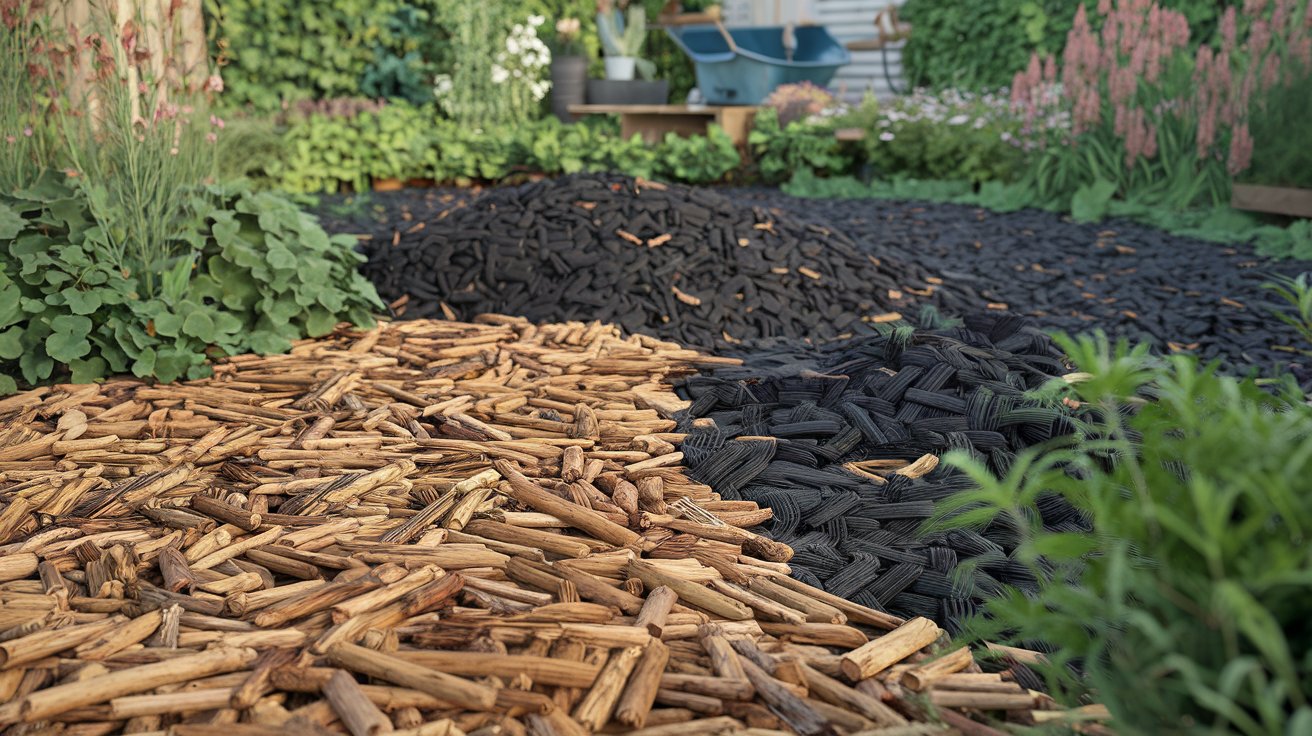
Rubber mulch consists of shredded or ground rubber pieces, primarily manufactured from recycled vehicle tires that have been cleaned, processed, and treated to remove metal components. In 2026, approximately 4.3 million tons of scrap tires are recycled annually in the United States, with a growing percentage converted into landscaping mulch. The material comes in various sizes ranging from fine shreds to larger nuggets, typically measuring between 0.5 to 3 inches in length. Modern manufacturing processes include wire removal, washing, and optional colorant application to create aesthetically pleasing products in black, brown, red, and earth-tone variations.
The production process has evolved significantly since rubber mulch first entered the landscaping market in the 1990s. Today’s rubber mulch products undergo rigorous quality control, including magnetic separation to remove remaining steel belts and antimicrobial treatments to resist bacterial growth. Major manufacturers now offer certified products that meet ASTM International safety standards for playground surfacing and general landscaping applications. The material typically contains a mixture of synthetic rubber, natural rubber, carbon black fillers, and various vulcanization chemicals that were originally used in tire manufacturing, though composition varies between manufacturers.
Advantages of Rubber Mulch
The benefits of rubber mulch have made it an attractive option for many United States homeowners seeking low-maintenance landscaping solutions. Understanding these advantages helps property owners evaluate whether this synthetic alternative aligns with their landscaping goals and maintenance preferences.
Exceptional Longevity and Durability
Rubber mulch lasts 10 to 12 years without significant decomposition, dramatically outlasting organic alternatives that require annual or biennial replacement. This extended lifespan translates to fewer applications and reduced long-term labor costs for homeowners. The material does not break down, compact, or decompose like wood-based mulches, maintaining its original volume and appearance throughout its service life. In 2026, field studies from landscaping associations across the United States confirm that properly installed rubber mulch retains approximately 95% of its original coverage after five years, compared to organic mulches that lose 40-60% of volume during the same period due to decomposition.
The durability extends to resistance against environmental factors that quickly degrade traditional mulch. Rubber mulch does not rot, develop fungal growth on its surface, or attract wood-boring insects that compromise organic materials. Heavy rainfall and irrigation do not wash rubber mulch away as easily as lighter organic alternatives, and the material resists compaction from foot traffic in high-use areas. Testing data from 2026 shows that rubber mulch maintains its cushioning properties and surface integrity even after exposure to freeze-thaw cycles, intense ultraviolet radiation, and temperature extremes common across different United States climate zones.
Low Maintenance Requirements
Property owners appreciate that rubber mulch requires minimal upkeep compared to organic alternatives that need frequent replenishment and raking. The material does not decompose, eliminating the need for annual top-dressing that traditional wood mulches demand. Homeowners typically only need to rake or redistribute rubber mulch occasionally to maintain uniform appearance and depth, a task that takes minutes rather than hours. In 2026, time-tracking studies indicate that rubber mulch maintenance requires approximately 75% less labor annually compared to wood chip alternatives, representing significant savings for busy homeowners and commercial property managers.
The synthetic composition prevents common maintenance headaches associated with organic mulches. Rubber mulch does not attract termites, carpenter ants, or other wood-destroying insects that can migrate from mulch beds to wooden structures. The material resists fungal colonization and does not create the moist, decomposing environment where pest insects thrive. Additionally, rubber mulch will not blow away in strong winds as easily as lightweight wood chips or pine straw, maintaining bed coverage without constant replacement. Homeowners report spending less time weeding in rubber-mulched beds because the dense material creates an effective barrier against weed seed germination when properly installed at recommended 2-3 inch depths.
Superior Water Conservation
Rubber mulch reduces water evaporation from soil surfaces by approximately 35-50% compared to bare ground, according to 2026 agricultural extension studies conducted across drought-prone regions of the United States. The material creates an effective insulating barrier that moderates soil temperature fluctuations and slows moisture loss during hot, dry periods. This water-conserving property has made rubber mulch increasingly popular in western states facing chronic water restrictions and rising utility costs. Homeowners in California, Arizona, Nevada, and Texas report measurable reductions in irrigation frequency and duration after switching from organic mulches or bare soil to rubber mulch applications.
The moisture retention benefits extend beyond simple evaporation reduction. Rubber mulch allows water penetration while creating a protective surface layer that prevents rapid runoff on sloped terrain. The material’s porous structure enables irrigation and rainfall to reach plant root zones efficiently without creating waterlogged conditions. Field measurements demonstrate that properly installed rubber mulch maintains more consistent soil moisture levels throughout irrigation cycles, reducing plant stress and promoting healthier root development. These water management characteristics have contributed to rubber mulch adoption in commercial landscaping projects, municipal parks, and residential xeriscaping designs prioritizing sustainable water use.
Color Retention and Aesthetic Stability
Rubber mulch maintains its color for 6-10 years without the fading that affects dyed wood mulches within months of installation. Modern manufacturing processes incorporate UV-stable pigments and colorants that resist photodegradation from sunlight exposure, ensuring long-lasting visual appeal. In 2026, leading manufacturers offer products with enhanced color-lock technology that extends aesthetic lifespan even in harsh southern climates with intense solar radiation. Homeowners appreciate the consistent appearance that eliminates the need for frequent replacement to maintain curb appeal, particularly important for front-yard landscaping and commercial properties where visual presentation impacts property values.
The color stability translates to predictable long-term appearance without the seasonal changes characteristic of organic mulches. Rubber mulch does not gray or bleach to an unattractive weathered appearance like untreated wood products. The material resists staining from soil contact, irrigation minerals, and organic debris that accumulates on the surface. Property owners can select from an expanded palette of colors in 2026, including natural earth tones, vibrant reds, and chocolate browns that complement diverse landscape designs. The consistent coloration creates clean, defined bed edges and provides visual contrast against green plantings throughout the entire lifespan of the mulch application.
Disadvantages of Rubber Mulch
Despite its benefits, rubber mulch presents significant drawbacks that have led many landscaping professionals and environmental organizations to recommend alternatives. Understanding these limitations is essential for making balanced decisions about mulch selection for residential and commercial properties.
Fire Hazard and Safety Concerns
Rubber mulch is highly flammable and poses serious fire risks that have prompted bans in some municipalities and homeowner associations across the United States. Once ignited, rubber mulch burns intensely at temperatures exceeding 1,500°F, creating dense toxic smoke containing harmful chemicals including carbon monoxide, volatile organic compounds, and potentially carcinogenic substances. In 2026, fire departments in California, Colorado, and Texas have documented numerous residential fires attributed to rubber mulch ignition from discarded cigarettes, errant fireworks, and accidental sparks from outdoor equipment. The material does not self-extinguish like organic mulches and can smolder underground for days, creating hidden fire hazards that are difficult to detect and extinguish completely.
Fire safety organizations now recommend maintaining minimum 30-foot clearance between rubber mulch applications and structures in wildfire-prone regions. The National Fire Protection Association added rubber mulch to its list of problematic landscaping materials in high-risk areas, noting that the material can act as an accelerant during wildfire events. Insurance companies have begun adjusting homeowner policies in fire-prone zones, with some carriers refusing coverage or charging premium surcharges for properties using rubber mulch near buildings. Testing conducted by fire science laboratories demonstrates that rubber mulch ignites more easily than hardwood mulches and produces significantly more heat energy during combustion, creating greater risks to adjacent structures and vegetation.
Chemical Leaching and Environmental Impact
Rubber mulch releases heavy metals and chemical compounds into surrounding soil as the material gradually degrades from exposure to sunlight, temperature fluctuations, and moisture. Research published in 2026 by environmental science departments at major United States universities confirms that zinc, lead, cadmium, and other metals used in tire manufacturing leach from rubber mulch at measurable concentrations. Studies have detected polycyclic aromatic hydrocarbons (PAHs), volatile organic compounds, and plasticizers in soil beneath rubber mulch beds, with concentrations increasing over time as the material weathers. These findings have raised concerns about potential impacts on soil organisms, beneficial insects, and edible plants grown near rubber mulch applications.
The environmental concerns extend beyond immediate leaching effects. Rubber mulch contributes to microplastic pollution as the material breaks down into progressively smaller particles that contaminate soil and potentially enter groundwater systems. Unlike organic mulches that decompose into beneficial humus, rubber particles persist indefinitely in the environment without providing nutritional benefits to soil ecosystems. The manufacturing process also carries environmental costs, as tire recycling into mulch requires significant energy input and produces industrial emissions. Environmental advocacy groups increasingly recommend against rubber mulch for vegetable gardens, areas near water features, and properties with children or pets that may have contact exposure to the material.
Soil Health and Plant Growth Issues
Rubber mulch provides no nutritional value to soil because it does not decompose into organic matter that feeds beneficial microorganisms and improves soil structure. Organic mulches contribute carbon, nitrogen, and trace minerals as they break down, gradually enhancing soil fertility and tilth over multiple growing seasons. In contrast, rubber mulch creates an inert barrier that prevents natural nutrient cycling and may actually impede soil development. Horticulturists and soil scientists consistently note that beds mulched with rubber show reduced earthworm populations and decreased microbial activity compared to organically mulched areas, potentially impacting long-term plant health and vigor.
Research conducted across various United States growing zones in 2026 indicates that certain plant species exhibit reduced growth rates and stress symptoms when grown in rubber-mulched beds. The material can increase soil temperatures to levels that stress shallow-rooted plants during summer months, with surface temperature measurements reaching 20-30°F higher than organic mulch alternatives under direct sunlight. Rubber mulch may alter soil pH over time as chemicals leach into the root zone, creating unfavorable conditions for acid-loving plants or species adapted to neutral pH ranges. Vegetable gardeners particularly avoid rubber mulch due to concerns about chemical migration into edible crops and the absence of soil-building benefits that organic alternatives provide.
Higher Initial Cost Investment
Rubber mulch costs $6-10 per cubic foot in 2026, representing approximately three to five times the expense of hardwood mulch products at comparable coverage depths. A typical 500-square-foot landscape bed requires 10-12 cubic yards of mulch at 3-inch depth, translating to $650-1,080 for rubber versus $200-350 for quality hardwood alternatives. While proponents argue that extended lifespan justifies the premium pricing, the substantial upfront investment creates a barrier for budget-conscious homeowners and large-scale landscaping projects. The cost differential has limited rubber mulch adoption primarily to playground surfaces, small accent beds, and specific applications where longevity provides clear economic advantages.
The economic analysis becomes more complex when considering total lifecycle costs and eventual disposal requirements. Rubber mulch disposal presents challenges because most municipal composting facilities do not accept synthetic materials, forcing homeowners to transport spent mulch to specialized recycling centers or landfills. Some waste management districts charge fees for rubber mulch disposal, adding to long-term costs. Comparing the total 10-year expense including installation, maintenance, and disposal shows that rubber mulch may cost 40-60% more than organic alternatives despite longer replacement intervals. This economic reality has kept rubber mulch market share below 15% of total mulch sales in the United States landscaping industry as of 2026.
Heat Absorption and Temperature Issues
Rubber mulch absorbs and retains heat significantly more than organic alternatives, creating surface temperatures that can reach 150-170°F during summer months in southern United States climates. This extreme heat retention makes the material uncomfortable or even dangerous for barefoot contact, limiting its suitability for areas where children and pets play. Temperature monitoring studies conducted in 2026 across multiple climate zones demonstrate that rubber mulch surfaces measure 25-40°F hotter than adjacent wood mulch beds during peak afternoon hours. The elevated temperatures radiate into plant canopies and can stress heat-sensitive ornamentals, particularly when rubber mulch is installed too close to plant stems and trunks.
The thermal properties create additional complications for plant health and landscape design. Excessive heat from rubber mulch can damage shallow roots, desiccate soil moisture more rapidly than anticipated, and create microclimate conditions unsuitable for many common landscape plants. Professional landscapers report increased plant mortality rates when rubber mulch is placed directly against foundation plantings in full sun exposures. The material’s dark coloration contributes to solar heat absorption, with black rubber mulch showing the most extreme temperature elevation. Some manufacturers now offer lighter-colored products to mitigate heat issues, but these alternatives still absorb more thermal energy than natural wood mulches that provide superior insulation properties.
Rubber Mulch vs Regular Mulch Comparison
Understanding the practical differences between rubber mulch and organic mulch helps homeowners select the most appropriate material for specific landscape applications and personal priorities. The choice involves balancing durability, cost, environmental impact, and soil health considerations.
Organic mulches decompose naturally, contributing valuable nutrients to soil ecosystems while requiring regular replacement every 1-2 years depending on climate and material type. Popular options include shredded hardwood, pine bark, cedar chips, and pine straw, with prices ranging from $2-4 per cubic foot in 2026. These natural materials support beneficial insects, earthworms, and soil microorganisms while providing excellent moisture retention and temperature moderation. However, organic mulches fade quickly, require annual replenishment, may attract termites if placed against structures, and can wash away during heavy rainfall. They excel in vegetable gardens, ornamental beds, and landscape designs prioritizing soil health and sustainability.
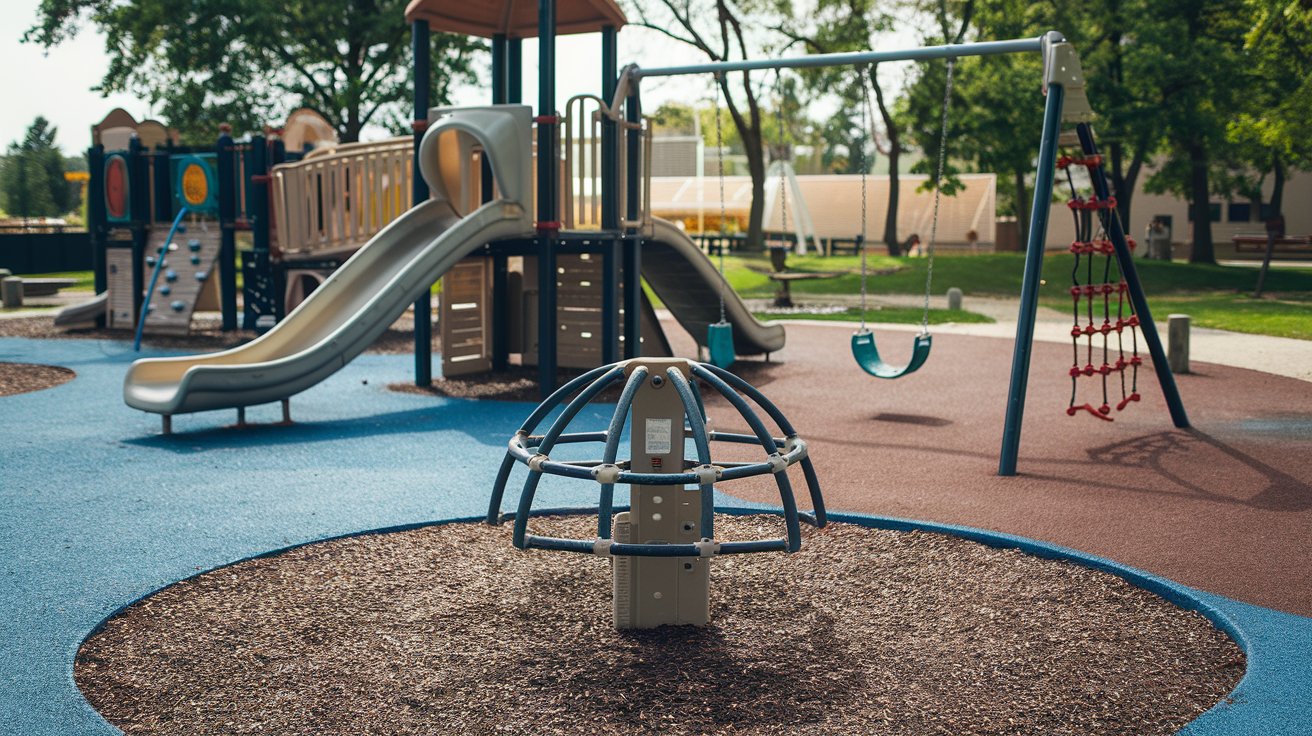
Rubber mulch offers superior longevity and consistent appearance without the maintenance demands of organic alternatives, making it suitable for high-traffic areas, slopes prone to erosion, and landscapes where long-term cost stability matters more than soil enrichment. The material works well for pathways, commercial properties requiring minimal maintenance, and decorative beds where plants are established and not requiring ongoing soil improvement. However, environmental concerns, fire risks, heat absorption, and lack of soil benefits make rubber mulch inappropriate for vegetable gardens, areas near wooden structures, and landscapes prioritizing ecological health. Professional landscapers in 2026 increasingly recommend hybrid approaches, using organic mulches near plants and structures while reserving rubber mulch for specific applications like playground surfaces and decorative rock garden accents.
Does Rubber Mulch Attract Pests and Rodents
Rubber mulch does not attract mice or other rodents seeking food sources because the synthetic material provides no nutritional value. Unlike organic mulches that harbor insects, fungal growth, and decomposing matter that attract foraging rodents, rubber creates an inert environment with minimal food resources. However, the material still provides physical shelter that rodents and other small animals may utilize for nesting if other attractants exist nearby. In 2026, pest control professionals report that rubber mulch alone does not increase rodent activity, but the material can offer harborage when combined with food sources like bird feeders, fallen fruit, or accessible garbage containers. Property owners should maintain clean landscapes and remove food attractants regardless of mulch type.
The pest resistance extends to insects that commonly infest organic mulch beds. Rubber mulch does not attract termites, carpenter ants, or wood-boring beetles because these insects require cellulose-based materials for food and cannot digest synthetic rubber compounds. This characteristic makes rubber mulch appealing for installation near wooden structures where termite prevention is a priority. However, research indicates that rubber mulch may harbor other arthropods including spiders, centipedes, and occasionally scorpions in southwestern states, as the material provides dark, protected spaces. Some studies have identified higher populations of certain tick species in rubber mulch compared to cedar alternatives, potentially due to the absence of aromatic compounds that act as natural repellents in cedar products.
Does Mold Grow on Rubber Mulch
Mold does not grow on rubber mulch itself because the synthetic material lacks the organic compounds and moisture content that fungal organisms require for colonization and growth. The rubber composition is inherently resistant to fungal attack, unlike wood-based mulches that frequently develop surface mold, mushrooms, and fungal blooms, particularly in humid climates or shaded locations. This resistance to biological colonization contributes to rubber mulch’s longevity and consistent appearance over many years. Property owners appreciate the clean appearance without the white, yellow, or brown fungal growth commonly seen on fresh wood mulches during wet weather conditions.
However, organic debris accumulation can support mold growth on rubber mulch surfaces when leaves, grass clippings, pollen, and other plant materials collect and decompose atop the synthetic material. The rubber itself remains unaffected, but the organic layer creates conditions where fungi thrive, particularly in shaded, moisture-retentive areas. Regular maintenance including debris removal and occasional raking prevents this secondary contamination. In 2026, manufacturers offer antimicrobial-treated rubber mulch products that further inhibit microbial growth on both the material and accumulated organic matter. Despite these treatments, environmental scientists note that preventing natural decomposition processes may have unintended ecological consequences by disrupting nutrient cycling in landscape ecosystems.
What Happens to Rubber Mulch After 10 Years
Rubber mulch degrades gradually over its 10-15 year lifespan through photodegradation from UV exposure, physical breakdown from foot traffic and weather, and chemical weathering from temperature cycles and moisture. After a decade of service, the material shows visible signs of aging including surface cracking, color fading in untreated products, and fragmentation into progressively smaller particles. Field observations from installations monitored since the early 2010s reveal that rubber mulch loses approximately 10-15% of its original mass through this gradual breakdown process. The degraded fragments do not disappear but rather accumulate in soil as microplastic contamination that persists indefinitely in the environment.
The end-of-life considerations present practical and environmental challenges. Removing old rubber mulch requires physical extraction and disposal through specialized recycling programs or landfill containment, as the material cannot be composted with organic waste. In 2026, only approximately 30% of United States communities offer rubber mulch recycling services, forcing most homeowners to dispose of spent material as solid waste. Some advanced recycling facilities can reprocess aged rubber mulch into new products, but this option remains limited and often requires transportation over significant distances. Environmental scientists emphasize that the persistence of rubber particles in landfills and landscapes represents a long-term pollution source, with fragmented material potentially entering watersheds and natural areas through erosion and surface runoff.
Is Rubber Mulch Toxic to Plants and Animals
Rubber mulch contains chemicals including zinc, lead, polycyclic aromatic hydrocarbons (PAHs), and volatile organic compounds that leach into surrounding environments at varying concentrations depending on product quality and weathering conditions. Research published between 2023-2026 by environmental toxicology departments at major universities has identified measurable contamination in soil beneath rubber mulch installations, with metal concentrations sometimes exceeding recommended levels for residential landscapes. Studies on plant toxicity show mixed results, with some species exhibiting no apparent effects while others demonstrate reduced germination rates, stunted growth, or leaf chlorosis when grown in direct contact with rubber mulch or soil contaminated by leachate.
Concerns about animal toxicity focus primarily on pets and wildlife that may ingest rubber particles or experience chronic exposure to volatilized chemicals. While acute toxicity requiring veterinary intervention remains rare, veterinary toxicologists note that dogs occasionally consume rubber mulch pieces, potentially causing gastrointestinal blockage or chemical exposure. In 2026, the consensus among toxicology experts is that rubber mulch poses low immediate risk for most landscape applications but may present cumulative environmental health concerns with long-term exposure. Regulatory agencies have not banned rubber mulch for general landscape use, but health-conscious consumers increasingly avoid the material in areas where children play, near vegetable gardens, and in landscapes prioritizing chemical-free environments. Certified organic landscaping standards universally prohibit rubber mulch due to synthetic composition and potential contamination concerns.
Best Practices for Rubber Mulch Installation
Proper installation techniques maximize rubber mulch benefits while minimizing potential problems associated with the material. Professional landscapers recommend starting with thorough site preparation including complete weed removal and edging installation to contain the mulch within defined boundaries. Installing commercial-grade landscape fabric beneath rubber mulch provides an additional weed barrier and prevents mixing with underlying soil over time. The fabric should be permeable to allow water penetration while blocking weed emergence. For optimal performance, apply rubber mulch at 2-3 inch depth, which provides adequate weed suppression and insulation without excessive material expense or extreme temperature buildup.
Safety considerations should guide placement decisions and ongoing maintenance practices. Maintain minimum 6-inch clearance between rubber mulch and wooden structures, siding, or deck posts to reduce fire risk and prevent moisture-related wood decay. Avoid installing rubber mulch in full-sun locations adjacent to heat-sensitive plants or in areas where barefoot contact is likely during summer months. Select lighter-colored products for exposed southern and western exposures to reduce solar heat absorption. In wildfire-prone regions across California, Colorado, and other western states, consider alternatives to rubber mulch within defensible space zones. Regular maintenance including debris removal, periodic redistribution, and annual inspection ensures the material performs as intended throughout its service life while allowing early detection of any problems.
Related video about rubber mulch pros and cons
This video complements the article information with a practical visual demonstration.
Everything you need to know about rubber mulch pros and cons
What is the downside of rubber mulch?
The primary downsides of rubber mulch include high flammability with intense burning temperatures exceeding 1,500°F, chemical leaching of heavy metals and PAHs into soil, significantly higher initial cost at $6-10 per cubic foot, and extreme heat absorption reaching 150-170°F surface temperatures in summer. Additionally, rubber mulch provides no nutritional value to soil, may harm beneficial organisms, contributes to microplastic pollution, and presents disposal challenges at end of life. Fire departments across the United States have documented numerous residential fires linked to rubber mulch ignition, prompting some municipalities to restrict or ban its use near structures.
Does mold grow on rubber mulch?
Mold does not grow directly on rubber mulch itself because the synthetic material lacks organic compounds that fungi require for colonization. However, organic debris such as fallen leaves, grass clippings, and pollen that accumulate on rubber mulch surfaces can support mold growth as these materials decompose. Regular maintenance including debris removal prevents this secondary contamination. The rubber material remains resistant to fungal attack and does not develop the mushroom growth or fungal blooms commonly seen on wood-based mulches, contributing to rubber mulch’s consistent appearance and extended lifespan of 10-15 years.
What happens to rubber mulch after 10 years?
After 10 years, rubber mulch shows visible degradation including surface cracking, color fading, and fragmentation into smaller particles due to UV exposure, weather cycles, and physical breakdown. The material loses approximately 10-15% of original mass through gradual breakdown that creates microplastic contamination in soil. Removal requires physical extraction and specialized disposal since rubber mulch cannot be composted. Only 30% of United States communities offered rubber mulch recycling services in 2026, forcing most spent material into landfills where it persists indefinitely. The fragmented particles represent long-term environmental pollution concerns in landscapes and potentially watershed systems.
Does rubber mulch attract mice?
Rubber mulch does not attract mice or rodents seeking food because the synthetic material provides no nutritional value, unlike organic mulches that harbor insects and decomposing matter. However, rubber mulch still offers physical shelter that rodents may utilize for nesting if other food attractants exist nearby such as bird feeders or accessible garbage. Pest control professionals in 2026 report that rubber mulch alone does not increase rodent activity. The material also does not attract termites or carpenter ants because these insects require cellulose-based materials for food and cannot digest rubber compounds, making it suitable for installation near wooden structures.
Is rubber mulch safe for vegetable gardens?
Rubber mulch is not recommended for vegetable gardens due to concerns about chemical leaching from the material into edible crops. Research has documented that zinc, lead, PAHs, and other tire manufacturing compounds migrate from rubber mulch into surrounding soil, potentially contaminating root vegetables and accumulating in plant tissues. Environmental scientists and organic gardening experts consistently advise against using rubber mulch near any edible plants. Additionally, rubber mulch provides no nutritional benefits to soil and may harm beneficial microorganisms essential for healthy vegetable production. Organic alternatives such as straw, compost, or shredded leaves better support vegetable garden health and safety.
How much does rubber mulch cost compared to wood mulch?
Rubber mulch costs $6-10 per cubic foot in 2026, approximately three to five times more expensive than quality hardwood mulch at $2-4 per cubic foot. For a typical 500-square-foot landscape bed at 3-inch depth, rubber mulch costs $650-1,080 compared to $200-350 for hardwood alternatives. While rubber mulch lasts 10-15 years versus 1-2 years for organic mulch, total lifecycle analysis including disposal costs shows rubber mulch expenses running 40-60% higher over a decade despite fewer replacement cycles. The substantial upfront investment has limited rubber mulch to approximately 15% of United States mulch market share as of 2026.
| Aspect | Rubber Mulch | Organic Mulch |
|---|---|---|
| Lifespan | 10-15 years without replacement | 1-2 years requiring annual replenishment |
| Cost per Cubic Foot | $6-10 initial investment | $2-4 with recurring expenses |
| Fire Risk | High flammability, burns at 1,500°F+ | Low to moderate, self-extinguishes |
| Soil Health | No nutritional value, potential contamination | Enriches soil with organic matter |
| Maintenance | 75% less labor, occasional redistribution | Annual replacement and frequent raking |
| Temperature | 150-170°F surface heat in summer | 20-30°F cooler, better insulation |
| Environmental Impact | Microplastic pollution, chemical leaching | Biodegradable, carbon sequestration |
| Best Use | Playgrounds, pathways, commercial areas | Gardens, ornamental beds, near structures |