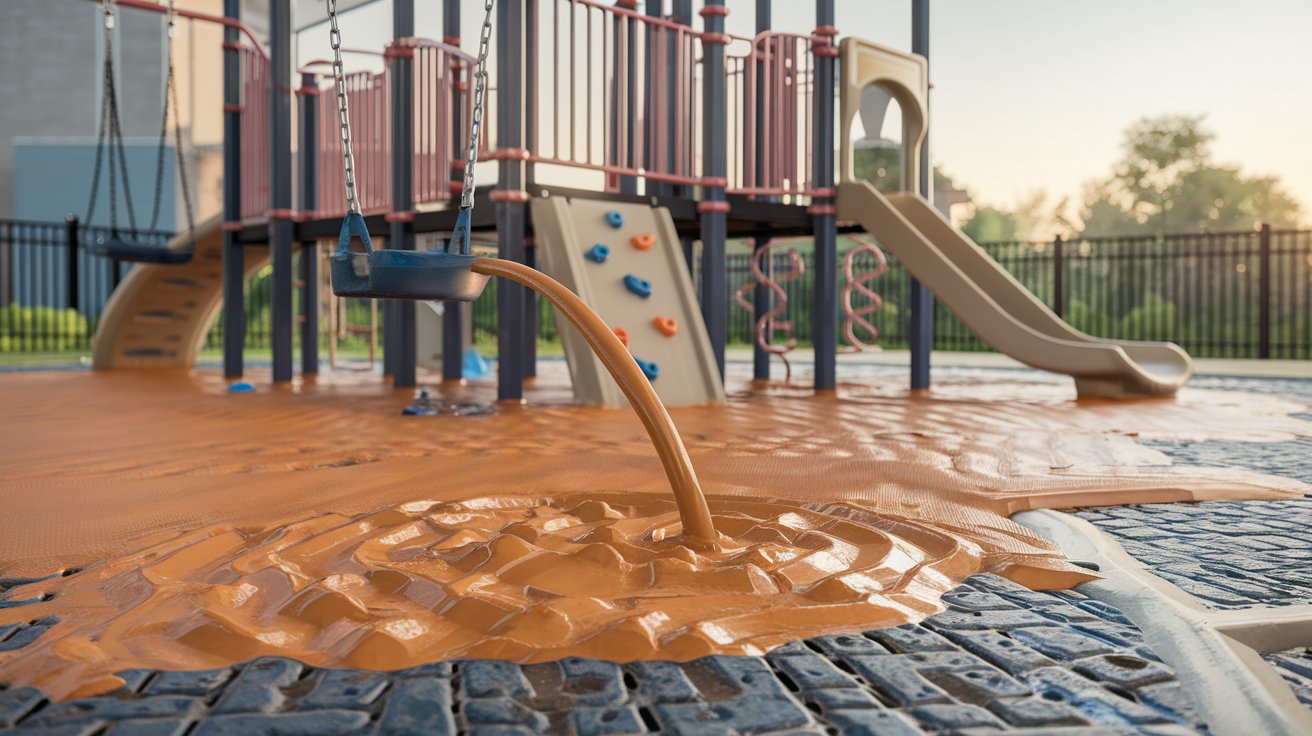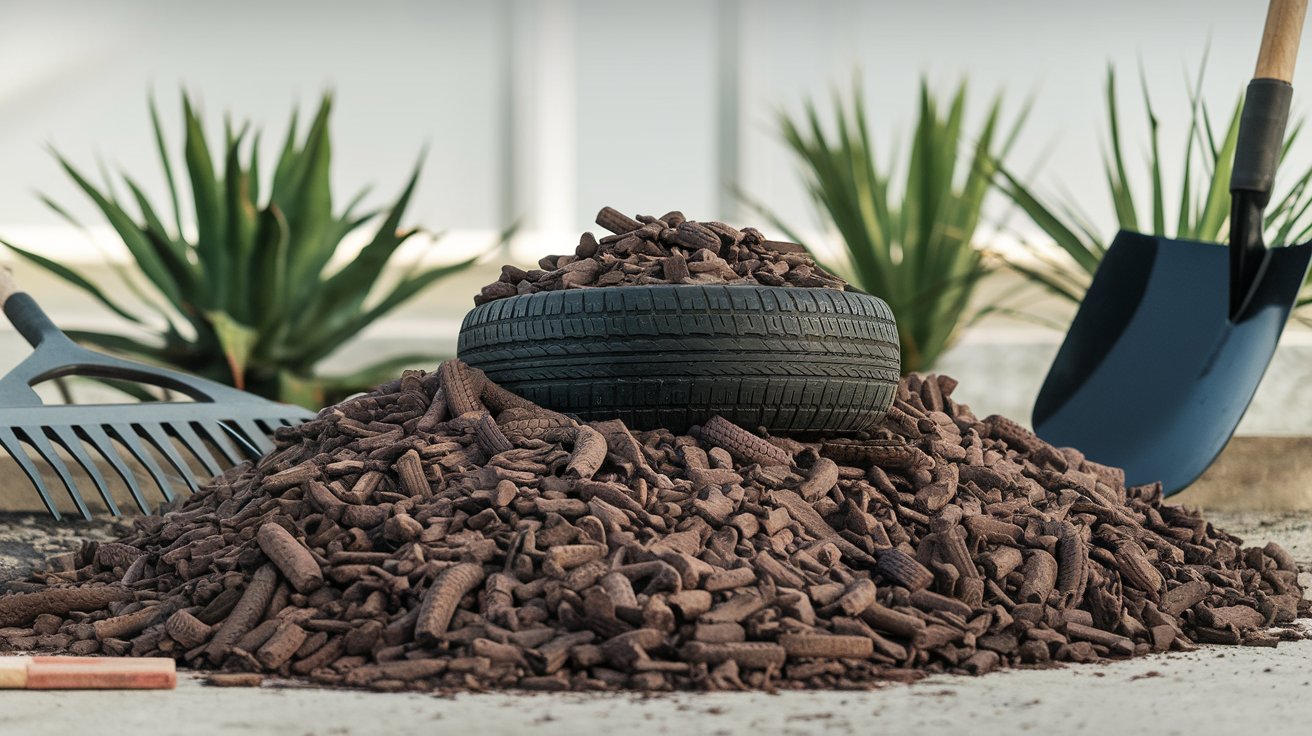
Rubber mulch is manufactured primarily from recycled automobile and truck tires that have been processed into small, uniform chunks or shreds. In the United States, approximately 290 million scrap tires are generated annually, and rubber mulch production repurposes roughly 22% of these tires according to 2026 EPA data. The manufacturing process involves removing steel belts and fiber components, shredding the rubber into desired sizes, cleaning, and often adding colorants to create attractive landscaping materials that last significantly longer than organic alternatives.
Raw Materials and Composition of Rubber Mulch
The primary raw material for rubber mulch in the United States consists of post-consumer scrap tires collected from vehicles throughout the country. These tires contain several key components: natural rubber (approximately 14%), synthetic rubber (27%), carbon black and silica (28%), steel reinforcement (15-16%), textiles and fibers (5-6%), and various chemical additives including zinc oxide, sulfur, and antioxidants. The specific composition varies depending on whether the source tires were passenger car tires, light truck tires, or heavy-duty commercial vehicle tires.
Modern rubber mulch manufacturing in 2026 has become increasingly sophisticated, with facilities capable of processing between 2,000 to 10,000 tires daily. The recycling process begins with whole tire collection at certified facilities across California, Texas, Ohio, and other states with established tire recycling programs. These facilities must comply with stringent state and federal environmental regulations, including proper handling of any potentially hazardous materials and ensuring complete steel separation to prevent contamination of the final rubber product.
Manufacturing Process of Rubber Mulch
The transformation of scrap tires into rubber mulch involves multiple industrial stages designed to create a clean, safe, and uniform product. First, collected tires undergo initial inspection and sorting to remove any tires unsuitable for processing due to excessive contamination or damage. The tires then enter mechanical shredders that perform the initial size reduction, cutting whole tires into strips approximately 2-4 inches wide while simultaneously liberating the steel belts and bead wires embedded within the tire structure.
Shredding and Steel Separation
Advanced shredding systems use high-torque, low-speed rotary shears to process tire rubber without generating excessive heat that could degrade the material. Following initial shredding, powerful magnetic separators extract steel components, which are recycled separately into the steel industry. Modern facilities achieve steel removal rates exceeding 99.5%, ensuring the rubber mulch contains minimal metal contamination. The remaining rubber and fiber mixture undergoes secondary shredding to reduce particle size to approximately 0.5-2 inches, which represents the most common rubber mulch dimensions sold in the United States market.
Fiber Removal and Final Processing
After steel extraction, the shredded rubber still contains textile fibers from the tire’s internal construction. These fibers are removed through air classification systems that use controlled airflow to separate lighter fiber materials from heavier rubber particles. Screens and trommels further refine particle size distribution, ensuring consistent dimensions throughout the batch. The cleaned rubber then undergoes washing procedures using water and approved cleaning agents to remove dirt, oils, and any residual contaminants accumulated during the tire’s service life.
Coloring and Treatment Options
While natural black rubber mulch remains popular due to its authentic appearance and lower cost, colored rubber mulch has gained significant market share, representing approximately 40% of residential rubber mulch sales in 2026. Manufacturers apply pigments using several methods: coating processes that apply colorants to the rubber surface, or through-dye methods that penetrate deeper into the material. Common colors include various shades of brown, red, cedar, gold, and even blue or green for specialized landscaping designs.
The coloring process typically uses iron oxide pigments for earth tones and other approved colorants that meet Consumer Product Safety Commission standards for outdoor residential use. Quality manufacturers in the United States utilize UV-stabilized colorants that resist fading from sunlight exposure, with premium products maintaining color integrity for 10-12 years under typical outdoor conditions. Some facilities also apply antimicrobial treatments or coatings designed to reduce potential odor emissions, particularly important during hot summer months when rubber can release volatile organic compounds.
Chemical Composition and Safety Considerations
The chemical makeup of rubber mulch reflects its origin from vehicle tires, which contain numerous compounds engineered for tire performance. Primary constituents include polybutadiene and styrene-butadiene rubber polymers, carbon black (used for reinforcement and UV protection), zinc oxide (vulcanization accelerator), sulfur (cross-linking agent), and various processing oils. Additionally, tires contain smaller quantities of antioxidants, antiozonants, and accelerators such as benzothiazoles.
Concerns about rubber mulch safety have prompted extensive research in the United States and internationally. A comprehensive 2025 study by the California Office of Environmental Health Hazard Assessment analyzed rubber mulch products and found that while rubber mulch does release trace amounts of volatile organic compounds and polyaromatic hydrocarbons, concentrations measured in residential landscaping applications remained below established health-based screening levels. However, the study recommended avoiding rubber mulch use in vegetable gardens or areas where children might have frequent hand-to-mouth contact with the material.
Types of Rubber Mulch Available
The rubber mulch market in 2026 offers several distinct product categories designed for different applications and aesthetic preferences. Understanding these variations helps consumers select the most appropriate product for their specific needs and installation locations.
Standard Shredded Rubber Mulch
The most common type, shredded rubber mulch consists of irregularly shaped pieces typically measuring 0.5 to 2 inches in length. This product maintains a natural, organic appearance similar to wood chips and works well for general landscaping applications around trees, shrubs, and in flower beds. Standard shredded rubber mulch in the United States retails for approximately $4.50 to $7.50 per cubic foot in 2026, depending on color options and regional availability. A typical 2,000 square foot landscaping project requires approximately 10-15 cubic yards when applied at the recommended 2-3 inch depth.
Rubber Mulch Nuggets
Rubber nuggets feature a more uniform shape and size, typically ranging from 0.75 to 1.5 inches in consistent dimensions. These products undergo additional processing steps to create more regular shapes that provide a tidier, more manicured appearance. Rubber nuggets are particularly popular for commercial landscaping installations and upscale residential properties where aesthetic consistency is prioritized. The additional processing increases costs slightly, with nugget-style products retailing between $6.00 and $9.00 per cubic foot across major United States markets.
Playground-Grade Rubber Mulch
Specifically engineered for playground safety applications, this category meets ASTM F1292 standards for impact attenuation and undergoes enhanced processing to minimize steel contamination and ensure consistent particle sizing. Playground-grade rubber mulch is tested to provide adequate fall protection from specific heights, typically ranging from 6 to 12 feet depending on installation depth. This specialized product commands premium pricing of $8.00 to $12.00 per cubic foot but offers certified safety performance that standard landscaping rubber mulch cannot guarantee.
Advantages of Rubber Mulch
Rubber mulch offers several compelling benefits that have contributed to its growing popularity, with the United States rubber mulch market reaching approximately $785 million in annual sales during 2026. The material’s exceptional longevity represents its primary advantage—while organic wood mulch requires annual or bi-annual replacement, properly installed rubber mulch can last 10-15 years without significant breakdown or need for replenishment. This extended lifespan translates to reduced long-term labor costs and fewer material purchases over time.
The material’s durability and stability provide practical benefits in various climates. Rubber mulch does not decompose, float away during heavy rains, or blow away in high winds like lightweight organic alternatives. It remains in place effectively, reducing maintenance requirements and eliminating the need for frequent raking or replacement. Additionally, rubber mulch does not attract termites, carpenter ants, or other wood-boring insects that commonly infest organic mulches, protecting nearby structures from potential pest migration. The material also suppresses weed growth effectively when installed at proper depths, though not as completely as organic mulches that create biochemical inhibition.
From a safety perspective, rubber mulch provides superior impact absorption compared to wood chips or other organic materials, making it highly suitable for playground installations. The material’s cushioning properties remain consistent across temperature ranges, unlike sand or gravel that compact over time. Color-treated rubber mulch maintains its appearance significantly longer than dyed wood mulches, which fade noticeably within a single season. For homeowners seeking low-maintenance landscaping solutions, rubber mulch delivers aesthetic consistency without the annual refreshing required by organic alternatives.
Disadvantages of Rubber Mulch
Despite its benefits, rubber mulch presents several notable drawbacks that potential users should carefully consider. The material’s higher initial cost represents a significant barrier, with rubber mulch typically costing 2-3 times more than premium hardwood mulch on a per-cubic-foot basis. While the extended lifespan can offset this premium over time, the substantial upfront investment of $800-$1,500 for a typical residential landscaping project deters many homeowners.
Environmental concerns surrounding rubber mulch sustainability have intensified in recent years. While the product does repurpose scrap tires that might otherwise occupy landfill space, rubber mulch itself is non-biodegradable and ultimately becomes a disposal problem at the end of its service life. Unlike organic mulches that decompose and enrich soil, rubber mulch provides no nutritional value to plants and does not improve soil structure. Research published in 2025 by several United States universities demonstrated that rubber mulch can leach zinc, which accumulates in soil over time and may reach levels toxic to sensitive plant species after 8-12 years of continuous use.
Heat retention poses another significant concern, particularly in southern and southwestern United States climates. Dark rubber mulch can reach surface temperatures of 150-170°F during peak summer conditions, compared to 120-130°F for wood mulch in identical conditions. This elevated temperature can stress plant roots growing near the surface and creates uncomfortably hot surfaces around walkways and patios. Additionally, heated rubber mulch releases more volatile organic compounds, producing noticeable odors that some homeowners find objectionable. The material is also highly flammable and difficult to extinguish once ignited, creating fire hazards in regions prone to wildfires or when installed near grills, fire pits, or smoking areas.
Rubber Mulch vs Regular Organic Mulch
The debate between rubber and organic mulch continues among landscaping professionals and homeowners, with each material offering distinct advantages depending on specific priorities and applications. Organic mulches—including shredded hardwood, pine bark, and cedar—decompose gradually, contributing valuable organic matter that improves soil structure, water retention, and microbial activity. This natural decomposition process releases nutrients slowly, providing modest fertilization benefits that rubber mulch cannot replicate.
Cost comparison reveals complex trade-offs. Organic mulch costs approximately $2.50-$4.00 per cubic foot for quality products in 2026, compared to $4.50-$7.50 for standard rubber mulch. However, organic mulch requires replacement every 1-2 years as it decomposes, while rubber mulch lasts 10-15 years. A ten-year total cost analysis for a 500 square foot area shows organic mulch costing approximately $1,200-$2,000 (including 5-10 replacement cycles) versus $900-$1,500 for a single rubber mulch installation, making rubber mulch more economical long-term despite higher initial expense.
Aesthetic preferences significantly influence material selection. Many homeowners and landscape designers prefer the natural appearance and fresh scent of organic mulches, which blend seamlessly with traditional garden designs. Organic mulches also feel more natural underfoot and in hand, important considerations for areas where people regularly interact with the landscape. Conversely, rubber mulch maintains consistent appearance and color for many years without fading, appealing to those who prioritize low-maintenance solutions. The material’s artificial origin remains visually apparent upon close inspection, which some find aesthetically inferior to authentic organic materials.
Installation and Application Guidelines
Proper rubber mulch installation ensures optimal performance and longevity while minimizing potential drawbacks. Site preparation begins with removing existing mulch, weeds, and debris from the installation area. Most professionals recommend installing landscape fabric or commercial-grade weed barrier beneath rubber mulch to prevent weed emergence and keep the rubber separated from soil, which facilitates future removal if desired. The weed barrier should be secured with landscape staples every 18-24 inches to prevent shifting during mulch application.
For landscaping applications, apply rubber mulch at depths of 2-3 inches around trees, shrubs, and in planting beds. Maintain a 3-6 inch clearance between mulch and plant stems or tree trunks to prevent moisture accumulation that could encourage crown rot or bark damage. When installing around trees, extend the mulched area to the tree’s drip line when possible, creating a protective zone that eliminates mower damage and grass competition. Deeper installations of 4-6 inches are appropriate for pathways or areas requiring enhanced weed suppression.
Playground installations demand greater precision to ensure safety compliance. ASTM F1292 standards specify minimum depths based on the critical fall height of equipment, typically requiring 6-9 inches of playground-grade rubber mulch for equipment with platform heights of 6-8 feet. The mulch should extend at least 6 feet in all directions from stationary equipment and follow specific patterns around swings and slides based on the equipment’s use zone. Periodic depth checks are essential, as rubber mulch can migrate away from high-traffic areas, potentially creating unsafe conditions. Professional playground inspectors recommend quarterly depth measurements and prompt replenishment of any areas that have thinned below safety thresholds.
Maintenance Requirements for Rubber Mulch
While rubber mulch is marketed as low-maintenance, proper care ensures optimal performance and appearance throughout its service life. Regular debris removal is essential, particularly in areas near deciduous trees where falling leaves accumulate on the mulch surface. Unlike organic mulch where leaves decompose and integrate naturally, leaves on rubber mulch create an unsightly layer that must be removed manually or with leaf blowers. Plan for monthly cleaning during fall months in areas with significant leaf drop.
Periodic raking helps maintain even distribution and appearance. High-traffic areas and slopes may experience rubber mulch migration, creating thin spots that reduce weed suppression and aesthetic uniformity. Quarterly inspection and redistribution prevent these issues from becoming severe. Some homeowners supplement with small quantities of additional rubber mulch every 3-4 years to compensate for gradual loss through displacement and occasional removal on shoes or paws. Budget approximately 5-10% of the original installation volume for these periodic additions.
Weed management remains necessary despite rubber mulch’s weed-suppressing properties. While properly installed rubber mulch over landscape fabric dramatically reduces weed emergence, some weed seeds will inevitably blow in and germinate in the mulch layer or in gaps where fabric edges meet. Hand-pulling weeds promptly prevents them from establishing deep roots that penetrate through to soil. Pre-emergent herbicide applications in early spring provide additional control but must be selected carefully to avoid products that could be absorbed by the rubber and subsequently leach into soil in harmful concentrations.
Environmental Impact and Sustainability
The environmental profile of rubber mulch presents a complex mixture of benefits and concerns that continue to generate debate within the landscaping and environmental communities. On the positive side, rubber mulch production diverts millions of scrap tires from landfills annually—each ton of rubber mulch repurposes approximately 90-100 passenger car tire equivalents. The United States generates approximately 290 million scrap tires annually, and tire-derived products including rubber mulch consume roughly 115 million of these tires, representing a significant waste-reduction achievement.
However, environmental concerns focus on potential contamination and the material’s end-of-life challenges. Research conducted between 2023-2025 at multiple United States universities has documented that rubber mulch leaches various compounds including zinc, polycyclic aromatic hydrocarbons, and benzothiazoles into surrounding soil. Zinc concentrations are of particular concern—studies have measured soil zinc increases of 40-120% after 5-8 years of rubber mulch use, with concentrations occasionally exceeding levels harmful to zinc-sensitive plants like blueberries, azaleas, and rhododendrons. These compounds can also migrate into stormwater runoff, potentially affecting aquatic ecosystems.
The carbon footprint analysis reveals mixed results. Manufacturing rubber mulch consumes less energy than producing virgin synthetic mulch products, but requires more energy than processing wood mulch. The transportation footprint is significant due to rubber mulch’s density—approximately 650-850 pounds per cubic yard compared to 400-600 pounds for wood mulch. However, the extended lifespan reduces total transportation impacts over time since fewer replacement cycles are needed. Life cycle assessments published in 2025 concluded that rubber mulch’s environmental impact compared to organic mulch depends heavily on regional factors including transportation distances, local tire disposal alternatives, and climate conditions affecting organic mulch decomposition rates.
Related video about what is rubber mulch made of
This video complements the article information with a practical visual demonstration.
Important things to know about what is rubber mulch made of
What are the downsides of rubber mulch?
The primary downsides of rubber mulch include higher initial costs (2-3 times more expensive than wood mulch), heat retention that can reach surface temperatures of 150-170°F in summer, potential leaching of zinc and other compounds into soil, lack of soil enrichment benefits, noticeable rubber odor during hot weather, and fire hazards as the material is highly flammable. Additionally, rubber mulch provides no nutritional value to plants and can be difficult to remove completely if you later decide to switch to organic alternatives.
What happens to rubber mulch after 10 years?
After 10 years, rubber mulch remains largely intact structurally but shows signs of weathering including some color fading, increased brittleness, and gradual breakdown into smaller particles. The material does not biodegrade but slowly fragments through UV exposure and physical weathering. Most rubber mulch products continue functioning adequately for 12-15 years total, though some homeowners choose to refresh color or add new material around the 10-year mark. The main concern is accumulated zinc and other compounds leached into soil over this period, which may affect sensitive plants.
Are rodents attracted to rubber mulch?
Rodents are generally not attracted to rubber mulch itself since it provides no food value, unlike organic mulches that may contain seeds, insects, or decomposing organic matter that rodents consume. However, rubber mulch does provide shelter and nesting opportunities similar to other mulch materials. Some homeowners report that rodents burrow under rubber mulch to access soil beneath, though this behavior occurs with all mulch types. The rubber does not attract rodents, but it does not repel them either—pest presence depends more on available food sources and overall property conditions than mulch type.
Can I put rubber mulch on top of regular mulch?
You can technically install rubber mulch over existing wood mulch, but this is not recommended by landscaping professionals. The underlying organic mulch will continue decomposing, creating an unstable base that causes the rubber layer to settle unevenly. This layering also makes future removal extremely difficult as the materials become mixed. Best practice involves removing existing organic mulch, installing fresh landscape fabric, and then applying rubber mulch on this clean foundation. If removal is impractical, at least allow old mulch to fully decompose and compact for one season before installing landscape fabric and rubber mulch above it.
Is rubber mulch safe for vegetable gardens and edible plants?
Most horticultural experts and environmental health agencies recommend against using rubber mulch in vegetable gardens or around edible plants due to concerns about chemical leaching. Research has documented that rubber mulch releases zinc, polyaromatic hydrocarbons, and other compounds that can be absorbed by plant roots and potentially accumulate in edible portions. While studies have not definitively proven harm to human health from vegetables grown near rubber mulch, the precautionary principle suggests using organic mulches like straw, shredded leaves, or untreated wood chips for any edible plantings to eliminate unnecessary chemical exposure risks.
How much rubber mulch do I need for my landscaping project?
Calculate rubber mulch needs by measuring the area in square feet and multiplying by desired depth in feet, then dividing by 27 to convert to cubic yards. For a 2-inch depth (0.167 feet), you need approximately 0.62 cubic feet per square foot of area. A typical 500 square foot landscaping bed requires about 11.5 cubic yards for 2-inch coverage. Most suppliers sell rubber mulch by the cubic foot or in bags containing 0.8-2.0 cubic feet. Professional landscapers recommend purchasing 10-15% extra material to account for settling and achieving consistent depth across irregular terrain.
| Key Aspect | Important Details | Consideration |
|---|---|---|
| Primary Material | Recycled automobile and truck tires (steel and fiber removed) | Repurposes 90-100 tires per ton of mulch produced |
| Lifespan | 10-15 years without replacement | 5-10x longer than organic wood mulch |
| Cost Range | $4.50-$12.00 per cubic foot depending on type | Higher initial cost, lower long-term expense |
| Installation Depth | 2-3 inches for landscaping, 6-9 inches for playgrounds | Deeper application improves weed control and safety |
| Heat Retention | Surface temps reach 150-170°F in summer sun | Avoid around heat-sensitive plants in hot climates |
| Best Applications | Playgrounds, pathways, around trees and shrubs | Not recommended for vegetable gardens or edible plants |