
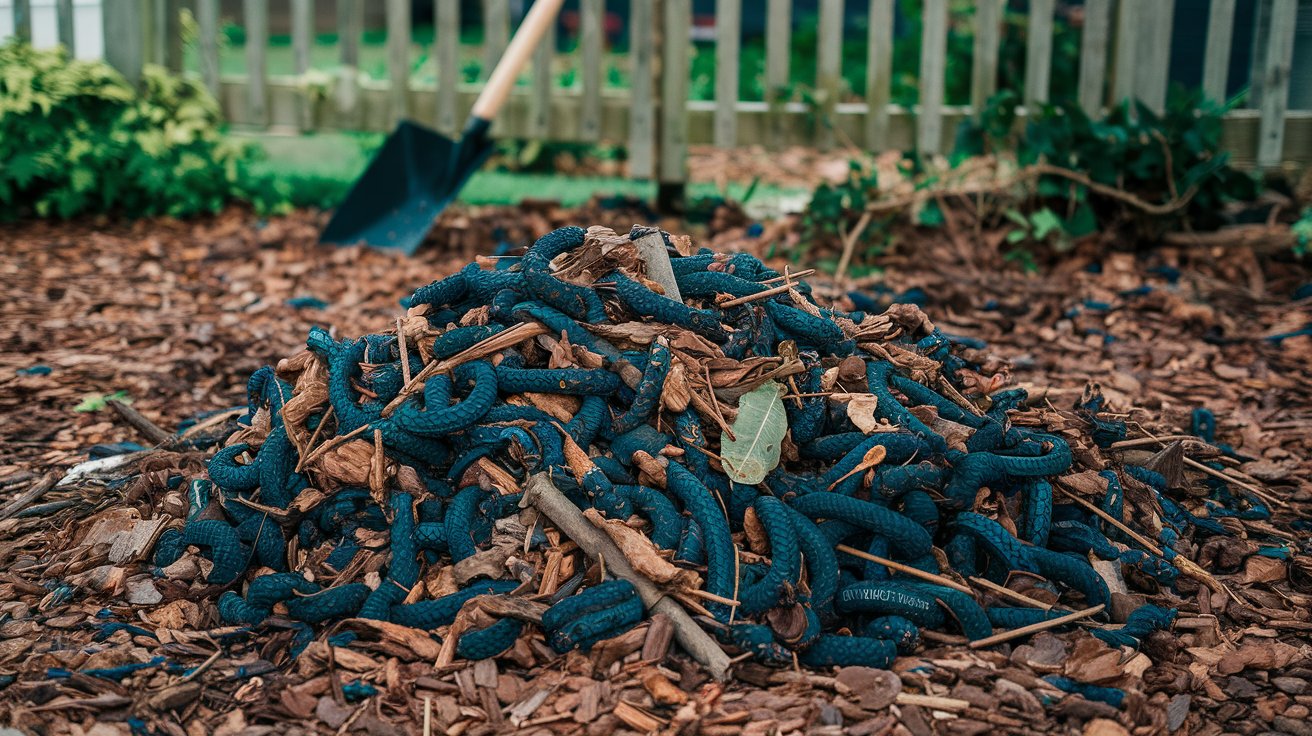
Disposing of rubber mulch requires specific methods to ensure environmental responsibility and compliance with local regulations. Whether you’re replacing old playground surfacing or landscaping materials, understanding the proper disposal options for rubber mulch helps you avoid contamination issues while potentially recovering value through recycling programs. This comprehensive guide covers every aspect of rubber mulch disposal available across the United States in 2026.
Understanding Rubber Mulch Composition and Disposal Challenges
Rubber mulch consists primarily of recycled tire materials that have been shredded and processed into small pieces. The composition includes synthetic rubber polymers, steel wire remnants, and various chemical additives used during tire manufacturing. This unique makeup creates specific disposal challenges because rubber mulch doesn’t decompose naturally like organic mulches. According to 2026 environmental studies, approximately 3.2 million tons of rubber mulch are currently in use across residential and commercial properties in the United States, with disposal becoming a growing concern as materials reach the end of their functional lifespan.
The environmental impact of improper disposal includes potential soil contamination from zinc, lead, and other heavy metals that can leach from degraded rubber. Landfills across the United States have begun implementing stricter regulations regarding rubber waste acceptance, with 34 states now requiring specific documentation or refusing bulk rubber materials entirely as of 2026. Understanding these challenges helps property owners make informed decisions about responsible rubber mulch disposal methods that protect both the environment and comply with current waste management regulations.
What Happens to Rubber Mulch After 12 Years
After approximately 12 years of outdoor exposure, rubber mulch undergoes significant degradation that affects both its appearance and functional properties. The material experiences photo-oxidation from UV exposure, causing the rubber to become brittle and fragment into smaller pieces. Research conducted by the Rubber Manufacturers Association in 2025 found that rubber mulch loses 40-60% of its elasticity after a decade of use, compromising its shock-absorption capabilities in playground applications. The color fading becomes pronounced, with pigmented mulch losing up to 75% of its original vibrancy due to continuous sun exposure and weathering.
The structural breakdown after 12 years results in increased migration of rubber particles beyond their intended areas, creating maintenance challenges and potential environmental concerns. Steel wire fragments that were encapsulated within the rubber become exposed as the material deteriorates, presenting safety hazards in playground settings. Additionally, the accumulation of organic debris within the rubber mulch creates a compacted layer that reduces drainage effectiveness and promotes microbial growth. By year 12, most manufacturers and safety organizations recommend complete replacement of rubber mulch in high-traffic areas like playgrounds, though low-traffic landscaping applications may extend slightly longer before requiring disposal.
Primary Methods to Dispose of Rubber Mulch
Several disposal methods for rubber mulch exist in 2026, each with specific advantages, costs, and availability depending on your location within the United States. Understanding these options helps you select the most appropriate and environmentally responsible approach for your situation.
Rubber Recycling Centers and Programs
Rubber recycling facilities represent the most environmentally sustainable disposal option, processing used rubber mulch into new products including rubberized asphalt, athletic tracks, and industrial mats. As of 2026, over 420 specialized rubber recycling centers operate across the United States, with the highest concentration in California, Texas, Florida, and the Northeast corridor. These facilities typically accept rubber mulch free of charge or for a nominal fee ranging from $15 to $45 per ton, depending on contamination levels with organic matter or other debris.
To locate rubber recycling near you, utilize resources like Earth911.com or your local municipal waste management website, which maintain updated databases of certified recycling facilities. Many facilities require materials to be relatively clean and free from excessive dirt, though some advanced processing centers can handle contaminated loads. The Liberty Tire Recycling network, one of the nation’s largest processors, expanded to 23 additional collection points in 2025-2026, improving access for residential customers. When transporting rubber mulch to recycling centers, use covered containers or tarps to prevent particle dispersal during transit, as loose rubber can create road hazards and is subject to littering fines in 41 states.
Municipal Waste Management Options
Municipal solid waste facilities in many jurisdictions now offer special collection events or designated drop-off days for rubber materials, though policies vary significantly by location. Approximately 62% of major U.S. cities provide some form of rubber waste collection service as of 2026, either through scheduled pickups for commercial quantities or quarterly household hazardous waste events. Contact your local waste management department to inquire about specific programs, fees, and volume limitations that may apply to rubber mulch disposal in your area.
Some municipalities partner with private waste-to-energy facilities that can utilize rubber mulch as supplemental fuel, though this option remains controversial due to emissions concerns. The cost for municipal disposal typically ranges from $25 to $95 per cubic yard, with bulk discounts available for playground or athletic field renovations exceeding 50 cubic yards. Be aware that 18 states have implemented partial or complete landfill bans on rubber materials, requiring alternative disposal methods regardless of municipal collection availability. Always verify current regulations before proceeding with waste management disposal to avoid potential fines ranging from $150 to $2,500 for improper disposal of prohibited materials.
Private Hauling and Junk Removal Services
Professional junk removal companies offer convenient rubber mulch disposal services, handling all aspects of removal, transportation, and proper disposal or recycling. National chains like 1-800-GOT-JUNK and Junk King, along with numerous local operators, typically charge between $120 and $450 for residential rubber mulch removal, depending on volume, accessibility, and regional pricing variations. These services prove particularly valuable for large quantities from playground removals or extensive landscaping projects where DIY removal would be impractical.
When selecting a hauling service for rubber mulch disposal, verify that the company commits to environmentally responsible practices rather than simply dumping materials at the nearest landfill. Reputable services provide documentation showing materials were delivered to certified recycling facilities or approved disposal sites. The convenience factor includes labor savings, equipment provision, and elimination of multiple trips to disposal facilities. Some companies offer same-day or next-day service in urban areas, though scheduling 3-5 days in advance typically results in 10-25% lower pricing. Always obtain written estimates specifying volume calculations, additional fees for difficult access, and confirmation of included disposal costs to avoid unexpected charges.
How to Prepare Rubber Mulch for Disposal
Proper preparation of rubber mulch before disposal improves acceptance at recycling facilities, reduces transportation costs, and ensures compliance with handling regulations. Begin by removing the rubber mulch from landscaped areas using rakes, shovels, or specialized equipment depending on the quantity involved.
Collection and Containment Techniques
Collecting rubber mulch efficiently requires appropriate tools and containers to minimize particle dispersal and worker exposure. For small residential areas under 100 square feet, standard garden rakes and leaf scoops effectively gather the material, while larger projects benefit from commercial rubber mulch vacuums or mechanized sweepers. Several equipment rental companies now offer specialized vacuum systems designed for rubber mulch collection, with daily rental rates ranging from $85 to $165 for units handling 4-8 cubic yards per hour.
Use heavy-duty contractor bags rated for at least 3 mil thickness or rigid containers with secure lids when storing collected rubber mulch for transport. Standard garbage bags frequently tear under the weight and sharp edges of rubber particles, creating cleanup challenges and potential environmental violations. Fill containers to approximately 75% capacity to allow for settling and safe lifting, as rubber mulch weighs between 500 and 900 pounds per cubic yard depending on moisture content and compaction. Label containers clearly as “Recycled Rubber Material” to facilitate proper handling at disposal facilities and prevent mixing with incompatible waste streams that could contaminate recycling processes.
Cleaning and Decontamination Requirements
Most rubber recycling facilities require minimal organic contamination, typically accepting materials with less than 15% dirt, leaves, or other debris by volume. Remove obvious organic matter using screen sieves or manual sorting before transport to improve acceptance rates and potentially reduce processing fees. Some advanced recycling centers utilize automated separation systems that can handle higher contamination levels, though these facilities may charge premium rates of $10 to $25 per ton for additional processing.
If your rubber mulch contains significant weed growth, embedded vegetation, or excessive soil accumulation, consider using a mechanical screening process or water washing to improve material quality. Portable screening equipment rentals cost approximately $120-$200 per day and can process 3-5 cubic yards per hour depending on contamination severity. Avoid using chemical treatments or power washing with detergents, as residual chemicals can interfere with recycling processes and may result in load rejection. Document your cleaning efforts with photos when delivering large quantities to recycling facilities, as this demonstrates good faith efforts and may influence acceptance decisions for borderline contamination levels.
Finding Rubber Recycling Centers Near You in 2026
Locating appropriate disposal facilities for rubber mulch requires research specific to your geographic area, as availability varies considerably across different regions of the United States. Multiple online resources and local government programs help identify the nearest acceptable facilities.
The Earth911 Recycling Search database remains the most comprehensive national resource, indexing over 2,400 facilities accepting various rubber products including shredded mulch. Enter your ZIP code and “rubber mulch” to receive distance-sorted results showing facility contact information, accepted materials, fees, hours, and specific requirements. The Rubber Manufacturers Association directory provides similar functionality with additional details about processing capabilities and end-product applications. State environmental protection agencies maintain localized directories with enhanced accuracy for regional facilities, often including recent inspection results and compliance ratings that indicate facility reliability and professionalism.
Many tire retailers and automotive service centers now accept rubber mulch as part of expanded recycling programs, leveraging existing relationships with rubber processors. Major chains including Tire Discounters, Discount Tire, and Les Schwab participate in take-back programs at over 1,800 locations nationwide as of 2026. Call ahead to verify acceptance policies, as some locations limit quantities to household amounts under 5 cubic yards or charge nominal fees ranging from $15 to $40 for disposal service. Community recycling events hosted by municipalities or environmental organizations provide periodic free disposal opportunities, typically scheduled 2-4 times annually in participating communities. Subscribe to local government newsletters or waste management social media accounts to receive notifications about upcoming rubber recycling events near you.
The Downsides of Rubber Mulch and Why Disposal Becomes Necessary
Understanding the disadvantages of rubber mulch helps explain why disposal becomes necessary and influences decisions about replacement materials. Despite initial marketing as a long-lasting, low-maintenance option, rubber mulch presents several significant drawbacks that prompt removal.
The primary environmental concern with rubber mulch involves leaching of heavy metals and chemical compounds into surrounding soil and groundwater. Studies published in the Journal of Environmental Quality in 2025 detected elevated zinc levels up to 340% above background concentrations in soil beneath rubber mulch installations, with measurable increases persisting for 3-5 years after removal. Polycyclic aromatic hydrocarbons (PAHs) released from degrading rubber pose potential health risks, particularly in playground applications where children have direct contact with materials. The EPA issued updated guidance in 2024 recommending against rubber mulch use within 15 feet of vegetable gardens or edible landscaping due to contamination concerns.
Fire hazard represents another significant downside of rubber mulch that often necessitates removal. Rubber mulch ignites more easily than organic alternatives and burns at extremely high temperatures exceeding 1,200°F, creating dangerous situations near structures. The International Fire Code adopted stricter regulations in 2023 prohibiting rubber mulch within 30 feet of buildings in wildfire-prone areas, forcing property owners to remove existing installations. Aesthetic degradation, odor emissions during hot weather, and attraction of certain insects further contribute to disposal decisions. Additionally, rubber mulch prevents natural soil improvement that occurs with decomposing organic mulches, often resulting in compacted, nutrient-depleted soil conditions that require extensive rehabilitation after removal.
How Often to Replace Rubber Mulch
The replacement frequency for rubber mulch depends on application type, traffic levels, climate conditions, and quality standards for the installation. Industry guidelines and practical experience provide frameworks for determining appropriate replacement intervals.
For playground applications, the Consumer Product Safety Commission recommends complete rubber mulch replacement every 8-12 years to maintain adequate impact attenuation properties and safety compliance. High-traffic playground areas may require replacement toward the shorter end of this range, while lightly used residential play spaces can sometimes extend to 12-15 years. Annual safety inspections measuring fall height ratings and material depth provide objective data for replacement decisions, with installations failing to meet ASTM F1292 standards requiring immediate attention regardless of age.
Landscaping applications of rubber mulch typically last 10-15 years before aesthetic degradation and particle migration necessitate replacement. Rubber mulch installed in high-visibility areas like commercial entrances or upscale residential landscapes may warrant replacement after 7-10 years due to color fading and appearance deterioration. Climate significantly impacts longevity, with installations in intense sunlight regions like Arizona, Nevada, and Southern California experiencing 20-30% faster degradation compared to moderate climate zones. Properties experiencing regular flooding or standing water should consider replacement every 6-8 years due to accelerated material breakdown in saturated conditions.
Establish a regular inspection schedule examining rubber mulch for excessive fragmentation, exposed wire components, significant color loss, or development of unpleasant odors during warm weather. These indicators suggest materials approaching end-of-life status and help plan disposal logistics before complete failure occurs. Maintaining installation records documenting original installation dates and material specifications aids in determining appropriate replacement timing for rubber mulch across your property.
Alternative Uses Before Disposal
Before proceeding with disposal, consider potential alternative applications for used rubber mulch that extend material life and reduce waste. Several practical reuse options exist for rubber mulch in acceptable condition but no longer suitable for its original purpose.
Repurposing for Low-Impact Applications
Used rubber mulch removed from playgrounds can serve effectively in low-traffic landscaping areas where appearance standards are less critical and safety requirements don’t apply. Applications include erosion control on slopes, mulching around utility areas or equipment pads, and filling beneath decks or sheds where visibility is minimal. The material retains adequate weed suppression properties and drainage characteristics even after primary use deterioration makes it unsuitable for more demanding applications.
Some property owners successfully use deteriorated rubber mulch as sub-base material for pathways, dog runs, or workshop floors, taking advantage of the cushioning properties and drainage capabilities. Rural properties may utilize worn rubber mulch as temporary road surface stabilization material in muddy access areas, though environmental regulations in some jurisdictions restrict this application. Always verify that alternative uses comply with local regulations regarding rubber material placement and environmental protection standards. Document reuse applications and maintain materials within your property boundaries to demonstrate control and prevent migration into unintended areas that could create liability issues.
Donation and Community Programs
Several community organizations and non-profit groups accept donated rubber mulch for projects serving underserved populations or public benefit purposes. Contact local Boys & Girls Clubs, municipal parks departments, or school districts to inquire about interest in free rubber mulch materials for new installations or playground repairs. While the material may not meet your standards, it often provides valuable resources for organizations operating on limited budgets who can utilize materials at no acquisition cost.
Habitat for Humanity ReStores in 34 states now accept rubber mulch donations as of 2026, reselling materials to fund affordable housing construction projects. These facilities typically require materials in reasonable condition with minimal contamination and may provide donation receipts for tax deduction purposes based on fair market value assessments. Online platforms including Craigslist, Facebook Marketplace, and Nextdoor frequently feature successful transfers of used rubber mulch to individuals seeking free landscaping materials. When offering rubber mulch through these channels, clearly disclose the material’s age, condition, and reason for removal to ensure recipient awareness and prevent disappointment. Arrange for recipient pickup when possible to minimize your handling and transportation costs while ensuring the material finds productive reuse rather than requiring disposal.
Costs Associated with Rubber Mulch Disposal in 2026
Understanding the financial implications of rubber mulch disposal helps budget appropriately and select the most cost-effective approach for your situation. Disposal costs vary significantly based on method, quantity, location, and material condition.
Recycling center disposal typically represents the most economical option, with many facilities accepting rubber mulch at no charge for clean materials in quantities under 2 cubic yards. Larger volumes may incur fees ranging from $15-$45 per ton, translating to approximately $8-$25 per cubic yard depending on material density and facility policies. Contaminated materials requiring additional processing command premium rates, potentially increasing costs by 50-100% compared to clean material fees.
Municipal waste collection services charge between $25 and $95 per cubic yard, with exact pricing determined by local market conditions and available disposal infrastructure. Some jurisdictions include rubber mulch disposal in annual waste service fees for residential customers, while others assess per-incident charges. Special collection events typically offer free disposal up to specified quantity limits, providing significant savings for smaller projects that align timing with event schedules.
Professional removal services provide convenience at premium costs, charging $120-$450 for typical residential quantities of 2-6 cubic yards. Commercial projects involving playground or athletic field renovations may negotiate volume discounts, potentially reducing per-unit costs by 20-35% for quantities exceeding 50 cubic yards. Transportation costs for DIY disposal average $0.58 per mile for pickup truck use or $1.25-$2.00 per mile for specialized trailer rentals when needed. Factor in your time value, equipment needs, and physical capability when comparing DIY versus professional disposal costs, as the nominal savings of self-service disposal may not justify the effort for many property owners.
Environmental Regulations and Compliance Considerations
Navigating the regulatory landscape for rubber mulch disposal ensures legal compliance and protects against potential fines or environmental liability. Federal, state, and local regulations govern various aspects of rubber waste management, with requirements evolving continuously as environmental understanding improves.
The Resource Conservation and Recovery Act (RCRA) provides federal framework for solid waste management, though rubber mulch typically qualifies as non-hazardous solid waste under most circumstances. However, 18 states have enacted specific regulations restricting or prohibiting rubber waste disposal in standard landfills as of 2026, requiring alternative management approaches. States with the strictest rubber waste regulations include California, Massachusetts, Connecticut, Rhode Island, and Minnesota, where comprehensive recycling requirements apply to most rubber products including mulch materials.
Local ordinances frequently impose additional restrictions beyond state requirements, particularly in environmentally sensitive watersheds or coastal zones. Some municipalities prohibit rubber mulch disposal through regular trash collection, mandating use of specialized recycling programs or designated facilities. Penalties for non-compliance range from warning citations for first offenses to fines of $150-$2,500 for repeated violations or large-scale improper disposal. Commercial property owners and contractors face enhanced scrutiny and potentially higher penalties, with some jurisdictions assessing per-cubic-yard fines that can exceed $10,000 for significant violations.
Documentation requirements vary by jurisdiction but generally include maintaining records of disposal facility receipts, transportation logs for loads exceeding specified volumes, and proof of proper material characterization. Commercial generators should retain disposal documentation for minimum 3-5 years depending on state requirements. Consult your local environmental protection office or waste management authority to verify specific regulations applicable to your location and project scope before initiating rubber mulch disposal activities.
Related video about how to dispose of rubber mulch
This video complements the article information with a practical visual demonstration.
Your questions answered
What do I do with old rubber mulch?
Old rubber mulch should be taken to certified rubber recycling centers where it can be processed into new products like rubberized asphalt or athletic surfacing. Contact your local waste management authority to locate rubber recycling facilities near you, as over 420 specialized centers operate across the United States in 2026. Alternatively, many municipalities offer special collection events or designated drop-off locations for rubber materials. Professional junk removal services provide convenient disposal for larger quantities, typically charging $120-$450 for residential amounts. Avoid placing rubber mulch in regular trash or landfills, as 18 states now restrict or prohibit rubber waste in standard disposal facilities.
Where can I get rid of rubber mulch?
You can dispose of rubber mulch at specialized rubber recycling centers, municipal waste facilities offering rubber collection programs, or through professional hauling services. Use online directories like Earth911.com to locate the nearest recycling facility by entering your ZIP code. Many tire retailers and automotive service centers now accept rubber mulch as part of expanded recycling programs at over 1,800 locations nationwide. Community recycling events hosted by local governments provide periodic free disposal opportunities, typically scheduled 2-4 times annually. For large quantities, professional removal companies handle all aspects of collection, transportation, and proper disposal at certified facilities.
Can you recycle rubber mulch?
Yes, rubber mulch can be recycled at specialized processing facilities that convert used materials into valuable new products. The recycling process involves cleaning, re-shredding, and processing rubber into materials used for rubberized asphalt paving, athletic tracks, industrial mats, and new rubber mulch products. Over 420 rubber recycling centers operate across the United States as of 2026, with most accepting rubber mulch either free or for nominal fees of $15-$45 per ton. The material should be relatively clean with less than 15% contamination from dirt or organic debris for optimal recycling acceptance. Recycling represents the most environmentally responsible disposal option, diverting materials from landfills while creating useful secondary products.
What is the downside of rubber mulch?
The primary downsides of rubber mulch include environmental contamination concerns, fire hazards, and aesthetic degradation over time. Research shows rubber mulch leaches heavy metals like zinc and releases polycyclic aromatic hydrocarbons (PAHs) into surrounding soil, with zinc levels measuring up to 340% above background concentrations. Rubber mulch poses significant fire risks, burning at temperatures exceeding 1,200°F, leading many jurisdictions to prohibit its use within 30 feet of structures. The material degrades after 8-12 years, losing elasticity and shock-absorption properties while fading substantially in color. Unlike organic mulches, rubber doesn’t improve soil quality and prevents natural nutrient cycling, often leaving soil compacted and depleted after removal.
How often do you need to replace rubber mulch?
Rubber mulch typically requires replacement every 8-15 years depending on application and conditions. Playground installations should be replaced every 8-12 years to maintain safety standards and adequate impact attenuation properties, with high-traffic areas requiring replacement toward the shorter interval. Landscaping applications generally last 10-15 years before aesthetic degradation necessitates replacement. Climate significantly affects longevity, with intense sunlight regions experiencing 20-30% faster degradation. Properties in flood-prone areas should consider replacement every 6-8 years due to accelerated breakdown in saturated conditions. Regular inspections for excessive fragmentation, exposed wire components, significant color loss, or unpleasant odors help determine optimal replacement timing.
How much does it cost to dispose of rubber mulch?
Rubber mulch disposal costs range from free to $450 depending on method, quantity, and location. Recycling centers typically charge $0-$45 per ton for clean materials, translating to approximately $8-$25 per cubic yard. Municipal waste services charge $25-$95 per cubic yard, with some jurisdictions offering free disposal during special collection events. Professional removal services cost $120-$450 for typical residential quantities of 2-6 cubic yards, including labor, transportation, and disposal fees. DIY disposal involves transportation costs averaging $0.58 per mile using personal vehicles or $1.25-$2.00 per mile for trailer rentals. Volume discounts may reduce costs by 20-35% for commercial projects exceeding 50 cubic yards.
| Disposal Method | Cost Range | Best For |
|---|---|---|
| Rubber Recycling Centers | $0-$45 per ton | Environmentally conscious disposal, clean materials, any quantity |
| Municipal Collection | $25-$95 per cubic yard | Moderate quantities, convenience, local compliance |
| Professional Removal | $120-$450 residential | Large quantities, full-service convenience, time savings |
| Tire Retailers | $15-$40 fee | Small quantities under 5 cubic yards, easy access |
| Community Events | Free (limited quantities) | Small residential amounts, budget-conscious disposal |