Poured rubber playground surfacing has become the gold standard for playground safety across the United States in 2026. This seamless, cushioned surface provides superior fall protection, ADA accessibility, and long-lasting durability for schools, parks, and recreational facilities. With installation costs ranging from $8 to $18 per square foot, understanding the factors that influence pricing helps facility managers and property owners make informed decisions about this premium playground flooring investment.
What is Poured Rubber Playground Surfacing
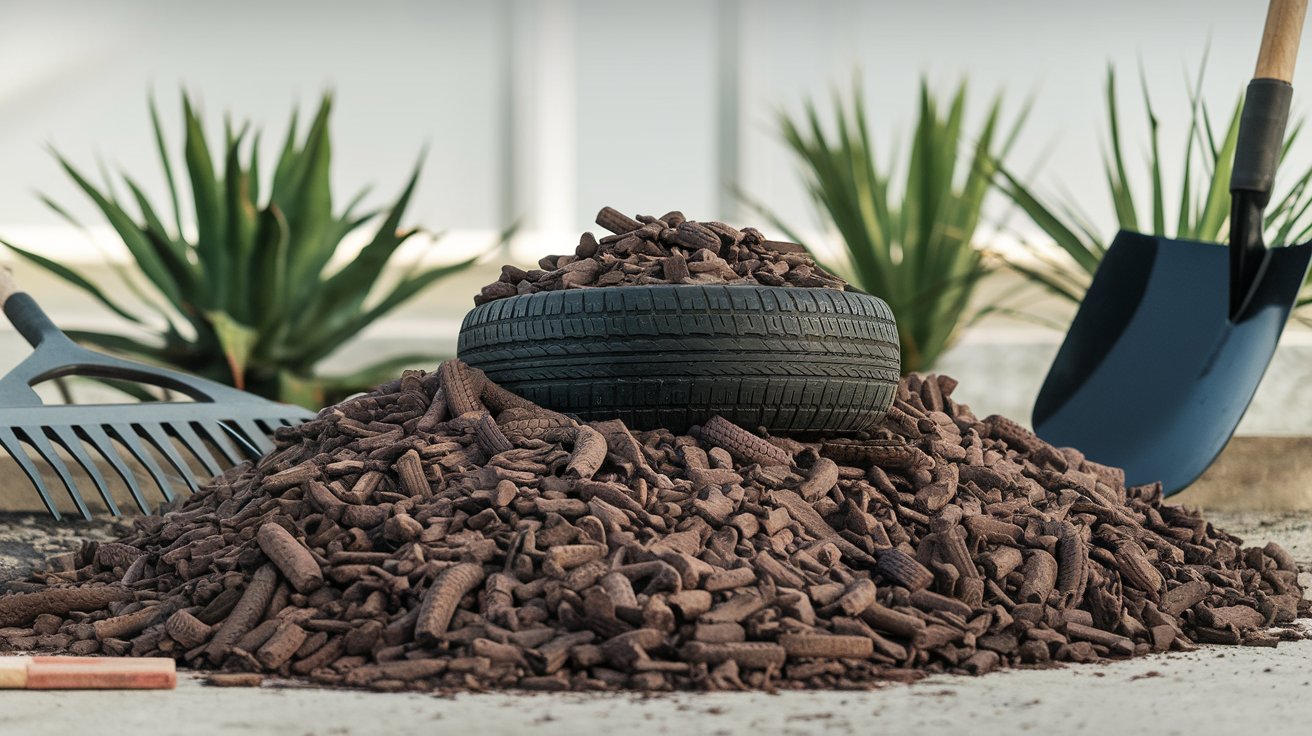
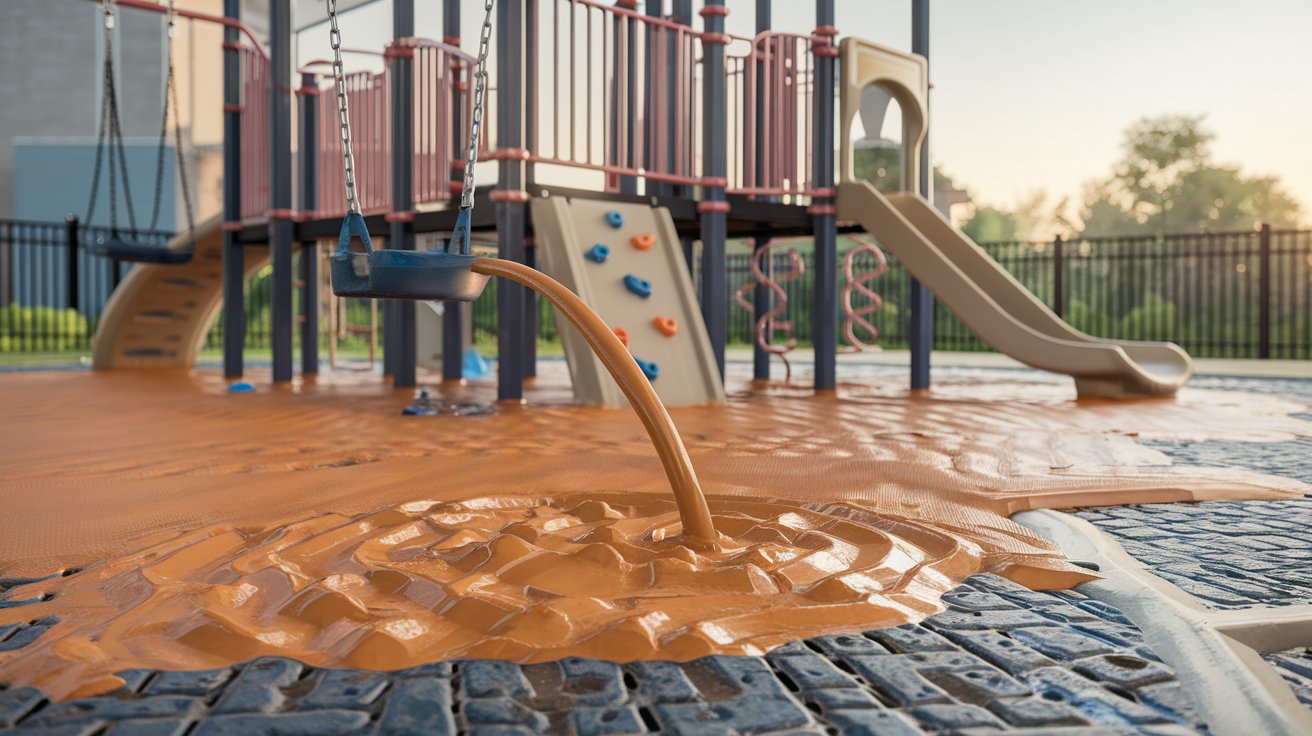
Poured-in-place rubber surfacing consists of two distinct layers that create a seamless, impact-absorbing playground surface. The bottom layer uses recycled rubber granules mixed with polyurethane binder, typically installed at 2.5 to 6 inches thick depending on the required fall height protection. The top layer features EPDM (ethylene propylene diene monomer) rubber granules in various colors, providing UV stability, aesthetic appeal, and a smooth walking surface that meets ADA accessibility requirements.
This surfacing system is applied directly to prepared substrates like asphalt or concrete, creating a monolithic surface without seams or gaps. The installation process involves mixing rubber granules with binding agents on-site and troweling the mixture to achieve uniform thickness and proper drainage slopes. Unlike traditional playground materials such as wood chips or sand, poured rubber surfaces require minimal maintenance and provide consistent fall protection that meets ASTM F1292 and F1951 safety standards throughout their lifespan.
Poured Rubber Playground Cost Per Square Foot in 2026
The average cost for poured rubber playground surfacing in the United States ranges from $8 to $18 per square foot installed as of 2026. This pricing reflects material costs, labor expenses, site preparation requirements, and regional market variations. Basic installations with standard colors and minimal design complexity typically fall at the lower end of this range, while custom designs, intricate patterns, and specialized color schemes push costs toward the upper threshold.
Several cost factors significantly impact final pricing for playground rubber flooring projects. Surface thickness requirements based on critical fall height directly affect material quantities, with each additional inch of base layer adding approximately $1.50 to $2.50 per square foot. Site accessibility challenges, substrate preparation needs, and project size also influence per-square-foot costs. Larger installations exceeding 2,000 square feet often benefit from economies of scale, reducing unit costs by 15 to 25 percent compared to smaller projects.
Base Layer Cost Components
The base layer installation accounts for 60 to 70 percent of total material costs in poured rubber surfacing projects. Recycled rubber granules, the primary base layer component, cost between $0.85 and $1.40 per pound in 2026, with typical installations requiring 6 to 8 pounds per square foot per inch of thickness. Polyurethane binding agents add $1.20 to $2.00 per square foot depending on climate conditions and performance requirements. Areas with extreme temperature fluctuations or high moisture exposure require premium binders with enhanced durability characteristics.
EPDM Wear Layer Pricing
The colored EPDM wear layer represents 30 to 40 percent of material expenses and significantly impacts aesthetic outcomes. Virgin EPDM rubber granules cost $2.85 to $4.20 per pound in 2026, with standard installations using 0.75 to 1 inch thickness at approximately 7 pounds per square foot. Custom color matching, specialty hues, and UV-enhanced formulations increase material costs by 20 to 35 percent. Multi-color designs and graphic elements require precise installation techniques that add $2.50 to $5.00 per square foot in labor expenses.
How Long Does Poured in Place Rubber Last
Poured rubber playground surfaces typically last 10 to 15 years with proper maintenance in United States climates as of 2026. High-quality installations using virgin EPDM wear layers and premium polyurethane binders can exceed 15 years in moderate-use environments. However, surface longevity depends on multiple factors including installation quality, UV exposure intensity, usage patterns, and maintenance frequency. Playgrounds in southern states with intense sun exposure may experience faster color fading and surface degradation compared to northern locations.
Regular maintenance significantly extends poured rubber surface lifespan and preserves safety performance characteristics. Monthly inspections for surface damage, quarterly pressure washing to remove organic debris, and annual professional assessments help identify potential issues before they compromise safety. Proper drainage maintenance prevents water pooling that accelerates binder breakdown and reduces impact attenuation properties. Facilities implementing comprehensive maintenance programs report surface lifespans 25 to 40 percent longer than those with minimal upkeep protocols.
Advantages of Poured Rubber Playground Flooring
Safety performance stands as the primary advantage of poured rubber playground surfacing, with properly installed systems providing superior impact attenuation across critical fall height zones. The seamless surface eliminates trip hazards associated with tiles or mats while maintaining consistent shock absorption throughout the play area. ASTM F1292 testing confirms that quality installations maintain impact attenuation values below 200 G-max and Head Injury Criterion (HIC) scores under 1000 throughout their service life, significantly reducing injury severity from falls.
Accessibility compliance represents another crucial benefit, as poured rubber surfaces naturally meet ADA requirements for firm, stable, and slip-resistant walking surfaces. The smooth finish accommodates wheelchairs, walkers, and mobility devices without creating barriers that exclude children with disabilities. This inclusive design supports universal playground access mandated by the Americans with Disabilities Act and promotes integrated play experiences for all children regardless of physical abilities.
Maintenance Benefits
Low maintenance requirements make poured rubber surfacing highly cost-effective over its lifespan compared to loose-fill materials requiring constant replenishment. The bound surface resists displacement, eliminating the need for daily raking or periodic top-up applications. Standard maintenance involves removing debris, pressure washing quarterly, and conducting annual safety inspections, requiring approximately 4 to 6 hours monthly for typical 2,000 square foot installations. This reduced labor demand translates to annual maintenance costs of $800 to $1,400 compared to $2,500 to $4,000 for wood fiber or engineered wood fiber systems.
Design Flexibility
The customization capabilities of poured rubber surfaces enable creative playground designs that enhance play value and aesthetic appeal. Color choices spanning the entire spectrum allow designers to create themed environments, educational elements, and wayfinding systems integrated directly into surfacing. Custom graphics, game patterns, and decorative borders cost $3.50 to $8.00 per square foot beyond base installation but create unique play spaces that stimulate imagination and support learning objectives. Multi-color designs achieved through EPDM rubber combinations resist fading for 8 to 12 years when using UV-stabilized materials.
Disadvantages of Rubber Playground Flooring
The initial investment cost for poured rubber surfacing significantly exceeds alternatives like engineered wood fiber or pea gravel, creating budget challenges for many playground projects. At $8 to $18 per square foot installed, a 2,000 square foot playground requires $16,000 to $36,000 compared to $4,000 to $8,000 for wood fiber systems. This upfront expense, while offset by lower lifecycle costs, prevents some schools and municipalities from selecting poured rubber despite its superior safety and maintenance characteristics.
Heat retention presents notable concerns in warm climates, as dark-colored rubber surfaces can reach temperatures exceeding 150°F during summer months in southern United States locations. These elevated surface temperatures create burn risks for children and limit playground usability during peak heat hours. Lighter color selections, shade structures, and water spray systems help mitigate heat absorption, but add 10 to 25 percent to project costs. Light-colored EPDM formulations reduce surface temperatures by 20 to 30°F compared to dark colors while maintaining impact protection standards.
Repair Complexity
Surface damage from vandalism, extreme weather, or structural settlement requires professional repair services that can be costly and visually noticeable. Unlike tile systems where individual units can be replaced, poured rubber repairs involve cutting out damaged sections and installing new material that may not perfectly match aged surfacing in color or texture. Repair costs range from $450 to $1,200 per incident depending on damage extent, with color matching challenges potentially requiring wear layer replacement across entire zones to maintain aesthetic consistency.
Installation Timeline Limitations
Weather-dependent installation restricts project scheduling and can extend completion timelines during unfavorable conditions. Poured rubber applications require dry conditions with temperatures between 50°F and 85°F for proper binder curing, limiting installation windows in northern states during winter months. Rain delays, temperature extremes, and humidity issues can extend projects by days or weeks, creating challenges for school districts planning playground renovations during summer breaks. Additionally, surfaces require 24 to 48 hour curing periods before use, necessitating playground closures that may disrupt programs.
Planning Your Poured Rubber Playground Installation
Successful playground surfacing projects begin with comprehensive planning that addresses site conditions, safety requirements, budget constraints, and long-term maintenance capabilities. Initial site assessments evaluate substrate conditions, drainage characteristics, accessibility needs, and fall height zones that dictate thickness requirements. Professional playground safety inspectors can conduct ASTM F1487 compliance reviews ensuring equipment layout and surfacing specifications meet current safety standards before installation begins.
Substrate preparation critically impacts installation quality and surface longevity, requiring stable, properly sloped bases that facilitate drainage. Asphalt substrates should exhibit minimal cracking, proper compaction, and slopes of 1 to 2 percent toward drainage points. Concrete bases require similar conditions plus proper curing time before surfacing application. Inadequate substrate preparation causes premature surface failure, delamination, and drainage problems that compromise safety and require expensive remediation. Professional site preparation adds $1.50 to $3.50 per square foot but ensures proper installation foundation.
Critical Fall Height Calculations
Determining appropriate surface thickness requires calculating critical fall heights for all playground equipment based on ASTM F1487 standards. The highest designated play surface on equipment establishes the critical fall height, which dictates minimum surfacing depth needed to maintain impact attenuation below safety thresholds. For poured rubber, each foot of critical fall height generally requires 1 to 1.5 inches of total thickness, though manufacturer testing data should guide final specifications. Equipment with critical fall heights exceeding 8 feet may require 6 to 7 inches of poured rubber to achieve adequate protection.
Contractor Selection Criteria
Choosing qualified installation contractors dramatically impacts project outcomes, as improper techniques compromise safety performance and durability. Reputable installers maintain certifications from the International Play Equipment Manufacturers Association (IPEMA) or National Playground Safety Institute (NPSI) and provide documented experience with poured rubber systems. Request references from at least three completed projects, verify insurance coverage including product liability, and review material specifications ensuring compliance with ASTM F1951 standards for impact attenuation and accessibility.
DIY Poured Rubber Playground Surfacing Options
While professional installation delivers optimal results, DIY poured rubber kits offer cost savings for smaller projects and skilled property owners willing to invest significant labor. Pour-in-place rubber surfacing kits available in 2026 include pre-measured rubber granules, polyurethane binders, mixing equipment guidance, and installation instructions for areas up to 500 square feet. These systems reduce material costs by 30 to 45 percent compared to professional installation but require careful attention to mixing ratios, thickness consistency, and proper troweling techniques.
Successful DIY installations demand thorough surface preparation, precise measurement capabilities, and understanding of safety standards that govern playground surfacing. Common mistakes include inadequate substrate preparation, inconsistent thickness application, improper binder ratios, and insufficient curing time before use. These errors compromise impact attenuation, create surface irregularities, and may void material warranties. Property owners should carefully assess their capabilities, project scope, and liability concerns before attempting DIY installations on public or commercial playgrounds where safety requirements and legal exposure differ significantly from residential applications.
Comparing Poured Rubber to Alternative Playground Surfaces
Rubber tiles represent the closest alternative to poured-in-place surfacing, offering similar impact protection with simplified installation processes. Interlocking rubber tiles cost $6 to $14 per square foot installed in 2026, providing 10 to 20 percent savings compared to poured systems. However, tiles create seams that may separate over time, collect debris, and present accessibility challenges despite meeting ADA technical requirements. Tile installations work well for smaller play areas, temporary playgrounds, and indoor facilities where seamless surfaces provide less critical advantages.
Engineered wood fiber remains popular for budget-conscious projects, costing $2.50 to $4.00 per square foot installed with proper containment systems. This loose-fill material requires 9 to 12 inches of depth for equivalent fall protection, demands regular maintenance including raking and annual replenishment, and presents accessibility limitations. Wood fiber decomposes over time, harbors insects, and may contain contaminants from treated wood sources. While initial costs appeal to limited budgets, lifecycle expenses including maintenance labor and periodic replacement often exceed poured rubber total cost of ownership over 15-year periods.
Where to Buy Poured Rubber Playground Surfacing Materials
Sourcing quality playground surfacing materials requires working with specialized suppliers and manufacturers who provide ASTM-tested products with documented safety performance data. Major rubber surfacing manufacturers including American Recycling Center, Playsafer, and Zeager Bros distribute materials through authorized dealer networks across the United States. These suppliers offer technical support, installation guidance, and material certifications necessary for playground safety compliance and insurance requirements.
Local and regional suppliers provide poured rubber materials with reduced shipping costs and faster delivery schedules for projects throughout the country. Searching for certified installers in your area often connects buyers with material sources, as professional contractors maintain relationships with reputable suppliers and can facilitate material purchases for DIY projects. Online marketplaces including specialist playground equipment retailers stock smaller quantities suitable for residential installations and minor repairs, though bulk purchases for commercial projects typically require direct manufacturer contact for competitive pricing and technical specifications.
Maintenance Requirements for Poured Rubber Surfaces
Establishing comprehensive maintenance protocols maximizes surface lifespan and preserves safety performance throughout the playground’s operational life. Monthly inspections should document surface conditions, identify developing issues, and remove debris that accelerates wear. Quarterly pressure washing using 1,500 to 2,000 PSI equipment removes embedded dirt, organic material, and contaminants that degrade rubber and promote mold growth. Annual professional safety inspections test impact attenuation, measure surface thickness, and assess overall compliance with ASTM F1292 standards.
Preventive maintenance addresses minor issues before they require expensive repairs or compromise user safety. Prompt attention to drainage problems prevents water accumulation that degrades binding agents and creates slip hazards. Small cracks or delaminated areas should receive immediate repair to prevent expansion and more extensive damage. Applying protective coatings every 5 to 7 years rejuvenates surface appearance, enhances UV resistance, and extends wear layer life by 3 to 5 years at costs of $1.20 to $2.40 per square foot.
Environmental Considerations and Sustainability
The environmental impact of poured rubber surfacing generates ongoing discussion within the playground industry and environmental advocacy communities. Recycled tire rubber in base layers diverts waste from landfills, with typical installations utilizing rubber from 800 to 1,200 end-of-life tires per 1,000 square feet. This recycling benefit reduces raw material demand and provides economically viable outlets for challenging waste streams. However, concerns about chemical leaching, microplastic generation, and end-of-life disposal continue prompting research and regulatory attention.
Recent studies examining chemical emissions from rubber surfacing show minimal health risks under normal playground conditions, with volatile organic compound levels well below safety thresholds established by EPA and consumer safety organizations. Lead content in recycled rubber has decreased significantly since 2020 due to improved tire manufacturing standards and screening protocols. Manufacturers now provide third-party testing documentation confirming compliance with Consumer Product Safety Commission standards and California Proposition 65 requirements. Property owners concerned about chemical exposure can specify virgin rubber materials or alternative surfaces, though these choices increase costs by 25 to 45 percent.
Related video about poured rubber playground surfacing
This video complements the article information with a practical visual demonstration.
Your questions answered
How much does poured rubber playground surface cost in 2026?
Poured rubber playground surfacing costs between $8 and $18 per square foot installed in the United States as of 2026. Basic installations with standard colors and minimal design complexity typically cost $8 to $12 per square foot, while custom designs, intricate patterns, and specialized requirements push costs toward $15 to $18 per square foot. A typical 2,000 square foot playground installation ranges from $16,000 to $36,000 depending on thickness requirements, site conditions, color selections, and regional labor rates. Larger projects exceeding 3,000 square feet often benefit from volume discounts reducing per-square-foot costs by 15 to 20 percent.
What is the safest playground flooring available?
Poured rubber surfacing ranks among the safest playground flooring options when properly installed and maintained according to ASTM standards. The seamless, impact-absorbing surface provides consistent shock attenuation across the entire play area, eliminating the displacement issues common with loose-fill materials. Properly specified poured rubber maintains G-max values below 200 and HIC scores under 1000 for critical fall heights up to 12 feet when installed at appropriate thicknesses. The surface also meets ADA accessibility requirements and eliminates trip hazards, making it safer than rubber tiles with seams or loose materials that create mobility challenges for children with disabilities.
How long does poured in place rubber playground surfacing last?
Quality poured rubber playground surfaces last 10 to 15 years with proper maintenance in typical United States climates. High-quality installations using virgin EPDM wear layers and premium polyurethane binders can exceed 15 years in moderate-use environments. Surface longevity depends on installation quality, UV exposure, usage intensity, and maintenance frequency. Regular cleaning, prompt repairs, and protective coating applications every 5 to 7 years extend service life significantly. Facilities implementing comprehensive maintenance programs report surface lifespans 25 to 40 percent longer than those with minimal upkeep, with some well-maintained installations remaining serviceable beyond 18 years.
What are the disadvantages of rubber playground flooring?
The primary disadvantages of rubber playground flooring include high initial costs ($8 to $18 per square foot), heat retention in warm climates with surface temperatures potentially exceeding 150°F, and complex repair requirements when damage occurs. The upfront investment significantly exceeds alternatives like engineered wood fiber or pea gravel, creating budget barriers for many projects. Dark-colored surfaces absorb substantial heat in direct sunlight, limiting playground usability during peak summer hours in southern states. Repairs require professional services and may not perfectly match aged surfacing in appearance. Additionally, installation depends on favorable weather conditions, potentially delaying projects during rainy periods or temperature extremes outside the 50°F to 85°F optimal range.
Can I install poured rubber playground surfacing myself?
DIY installation of poured rubber surfacing is possible for small residential projects under 500 square feet using pour-in-place kits available from specialized suppliers. However, successful installations require careful substrate preparation, precise mixing ratios, consistent thickness application, and proper curing protocols. Most property owners lack the equipment, expertise, and physical capability for larger installations exceeding 1,000 square feet. Commercial and public playgrounds should use professional installers to ensure compliance with ASTM safety standards, proper impact attenuation, and warranty protection. Professional installation also addresses liability concerns and provides documentation necessary for insurance coverage and regulatory compliance in public play environments.
Does poured rubber playground surfacing meet ADA requirements?
Properly installed poured rubber surfacing fully meets ADA accessibility requirements for playground surfaces when installed according to manufacturer specifications and ASTM F1951 standards. The smooth, firm, stable surface accommodates wheelchairs, walkers, and other mobility devices without creating accessibility barriers. Maximum vertical gaps between surface and equipment foundations should not exceed 0.5 inches, and slopes should remain below 1:12 ratio in accessible routes. The seamless nature of poured rubber eliminates trip hazards common with tiles or mats while providing slip resistance meeting accessibility standards. Surface testing should confirm compliance with ASTM F1951 specifications for firmness and stability to ensure full ADA compliance throughout the playground’s use zones and accessible routes.
| Surface Aspect | Specification Details | Primary Benefit |
|---|---|---|
| Installation Cost | $8 to $18 per square foot in 2026 | Superior safety performance justifies premium investment |
| Expected Lifespan | 10 to 15 years with proper maintenance | Lower lifecycle costs compared to loose-fill alternatives |
| Safety Compliance | Meets ASTM F1292, F1487, F1951 standards | Consistent impact attenuation reduces injury severity |
| Maintenance Requirements | 4 to 6 hours monthly for typical installation | Minimal upkeep compared to wood fiber systems |
| ADA Accessibility | Firm, stable, slip-resistant surface | Enables universal playground access for all abilities |
| Design Flexibility | Unlimited color and pattern options | Creates engaging, educational play environments |