Choosing between rubber mulch and wood mulch remains one of the most important decisions for homeowners, landscapers, and playground managers in 2026. Both mulching materials offer distinct advantages and disadvantages that impact your budget, maintenance requirements, and environmental footprint. This comprehensive guide examines the critical differences between rubber and wood mulch, helping you make an informed choice based on your specific needs, whether for landscaping, playground safety, or garden health.
What is Rubber Mulch and How Does It Differ from Wood Mulch
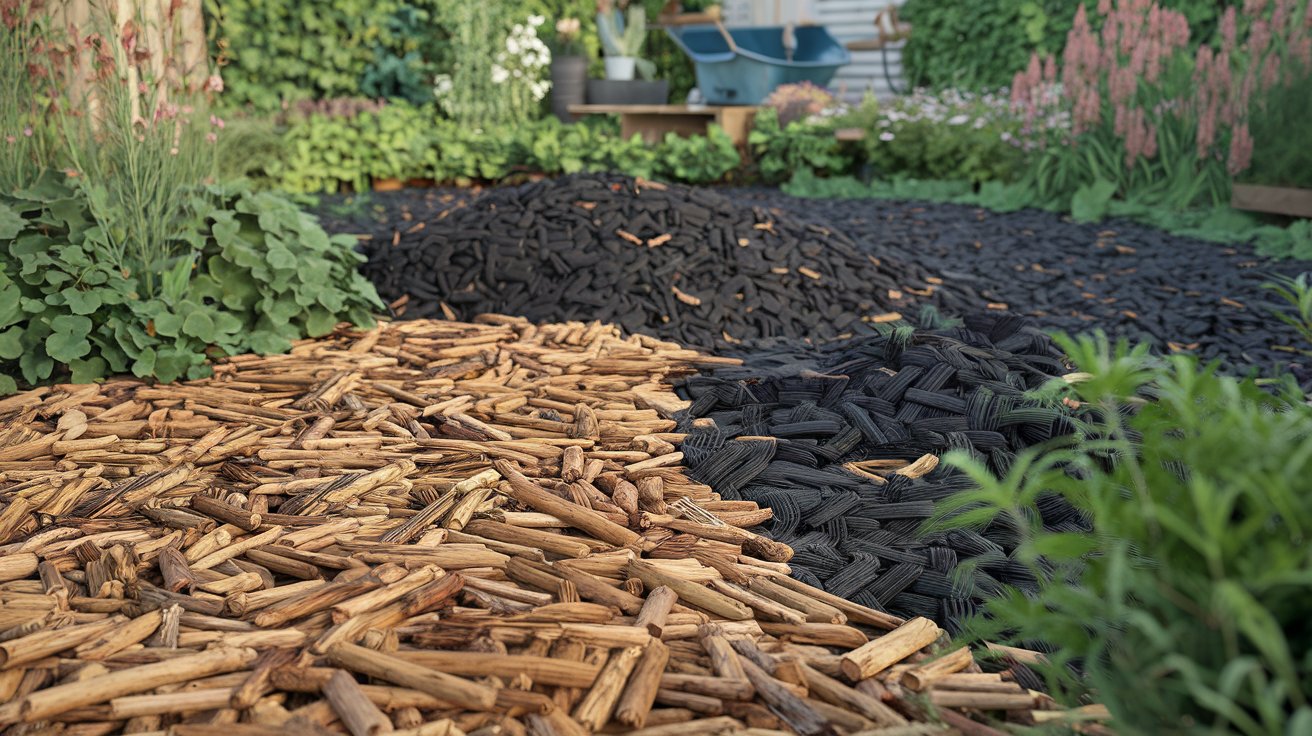
Rubber mulch consists of recycled tire material processed into small, uniform pieces that resemble traditional wood chips. In 2026, approximately 290 million tires are recycled annually in the United States, with roughly 12% converted into mulch products. This material offers exceptional durability, lasting 10-12 years compared to wood mulch’s 1-3 year lifespan. The manufacturing process involves removing steel belts and shredding tires into nuggets ranging from 0.5 to 2 inches in size.
Wood mulch consists of organic material derived from tree bark, wood chips, or shredded branches. Unlike rubber alternatives, wood mulch decomposes naturally, enriching soil with nutrients as it breaks down. The decomposition process requires regular replenishment but provides essential organic matter that improves soil structure and supports beneficial microorganisms. In the United States, wood mulch costs between $25-$50 per cubic yard in 2026, while rubber mulch ranges from $100-$180 per cubic yard due to processing requirements.
Advantages of Rubber Mulch for Specific Applications
The primary benefits of rubber mulch extend far beyond simple longevity considerations. These advantages make rubber particularly suitable for high-traffic areas and specialized applications where traditional organic materials underperform.
Superior Longevity and Cost Efficiency Over Time
Rubber mulch longevity represents its most compelling financial advantage, with properly installed rubber lasting 10-12 years without replacement. This durability translates to significant long-term savings despite higher initial costs. A 500-square-foot playground area requires approximately $800-$1,200 for rubber installation versus $200-$350 for wood mulch. However, wood mulch requires annual replacement, totaling $2,000-$3,500 over ten years compared to rubber’s one-time investment. The practicality of rubber becomes evident in commercial applications where labor costs for mulch replacement exceed material expenses.
Environmental Impact Through Recycled Material Utilization
Using recycled tire material diverts approximately 35,000 tons of waste annually from United States landfills as of 2026. Each cubic yard of rubber mulch repurposes roughly 100-120 tires that would otherwise occupy landfill space for centuries. This recycled material utilization addresses a significant environmental challenge while creating useful landscaping products. However, environmental benefits remain debated among experts, as rubber does not biodegrade and may leach chemicals into surrounding soil. Studies conducted by the Environmental Protection Agency in 2025 detected zinc, chromium, and polycyclic aromatic hydrocarbons in soil beneath rubber mulch installations.
Enhanced Weed Suppression and Maintenance Reduction
Weed suppression capabilities of rubber mulch exceed those of wood alternatives due to denser coverage and lack of organic matter that weed seeds require for germination. Properly installed rubber mulch at 2-3 inch depth blocks 95% of weed growth without additional barrier fabrics. In contrast, wood mulch suppresses only 70-80% of weeds and provides nutrients that can actually support weed establishment. The question can weeds grow through rubber mulch has a nuanced answer: while rubber itself doesn’t support growth, wind-blown seeds can germinate in accumulated debris on the surface, requiring occasional cleaning rather than complete replacement.
Wind Resistance and Material Retention Benefits
The superior wind resistance of rubber mulch prevents material displacement during storms, a common problem with lightweight wood chips. Rubber nuggets weigh approximately 600-700 pounds per cubic yard compared to wood mulch’s 400-500 pounds, creating stable coverage that remains in place during severe weather events. This characteristic proves particularly valuable in open playground areas and commercial landscapes where maintaining consistent coverage protects underlying surfaces. Testing conducted in 2026 showed rubber mulch retention rates of 98% during 40 mph winds, while wood mulch experienced 35-40% displacement under identical conditions.
Pest Resistance and Insect Deterrence Properties
Homeowners frequently ask do bugs live in rubber mulch, and research confirms that rubber provides an inhospitable environment for most common garden pests. Unlike wood mulch that attracts termites, carpenter ants, and other wood-boring insects, rubber contains no organic material to support insect colonies. The pest resistance advantage eliminates concerns about insects migrating from mulch beds into home structures. However, rubber mulch can harbor mosquitoes if water accumulates in low spots, and surface debris may attract other insects seeking organic matter, making proper drainage and occasional cleaning essential maintenance tasks.
Playground Safety and Fall Surface Protection
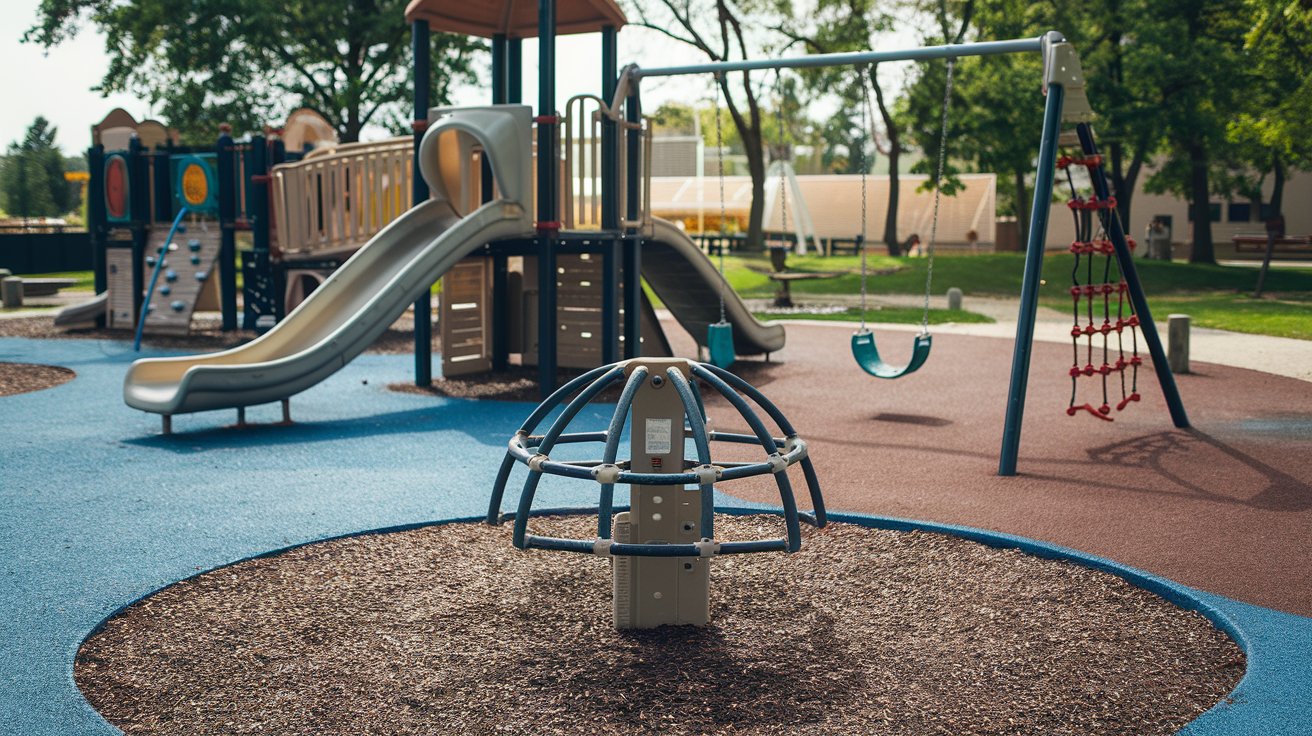
Engineered rubber mulch for playground installations meets ASTM F1292 safety standards when installed at proper depths, providing superior impact attenuation compared to wood alternatives. For equipment with platform heights up to 8 feet, rubber requires 6-9 inch installation depth, while wood mulch needs 9-12 inches to achieve equivalent protection. The consistent particle size of rubber maintains cushioning properties throughout its lifespan, whereas compressed wood mulch loses effectiveness and requires frequent replenishment. Testing data from 2026 shows rubber mulch maintains 90% of original shock absorption after 8 years, compared to wood’s 50% retention after just 2 years.
Disadvantages of Rubber Mulch in Landscaping Applications
Despite numerous advantages, rubber mulch problems create significant concerns for certain applications, particularly ornamental gardens and areas where soil health takes priority. Understanding these limitations helps homeowners make appropriate material selections.
Lack of Soil Nutrition and Organic Matter Contribution
The most significant drawback is that rubber mulch doesn’t add nutrients to the soil, eliminating one of traditional mulch’s primary benefits. Wood mulch decomposition releases nitrogen, phosphorus, potassium, and trace minerals that support plant health and soil microorganism populations. This organic matter improves soil structure, water retention, and beneficial bacterial growth. Gardens and landscape beds with rubber mulch require supplemental fertilization and soil amendments that would occur naturally with organic alternatives. Long-term studies from 2025 show garden beds with wood mulch contain 40% more beneficial microorganisms and 25% better water retention compared to rubber-covered soil.
Fire Hazard and Flammability Concerns
Rubber mulch is highly flammable, presenting serious safety risks in fire-prone regions of the United States, particularly western states experiencing increasing wildfire threats. Once ignited, rubber burns at extremely high temperatures exceeding 1,000°F and produces toxic smoke containing harmful chemicals. Fire departments across California, Colorado, and Arizona discourage rubber mulch use within 30 feet of structures due to these dangers. The National Fire Protection Association documented 43 structure fires in 2025 where rubber mulch ignition contributed to property damage. Wood mulch, while combustible, burns at lower temperatures and self-extinguishes more readily when moisture content exceeds 20%.
Heat Absorption and Temperature-Related Issues
Dark-colored rubber mulch absorbs significantly more solar radiation than wood alternatives, with surface temperatures reaching 150-170°F during summer months in southern states. This extreme heat can damage shallow plant roots, create uncomfortable playground surfaces, and contribute to urban heat island effects. Wood mulch typically reaches maximum temperatures of 90-100°F under identical conditions due to lighter coloring and organic insulation properties. The temperature differential makes rubber unsuitable for areas around heat-sensitive plants or playgrounds in regions where summer temperatures regularly exceed 85°F.
Environmental and Chemical Leaching Concerns
Research from 2024-2026 identified potential chemical leaching from rubber mulch into surrounding soil and groundwater. Detected compounds include zinc (used in tire manufacturing), polycyclic aromatic hydrocarbons, and various plasticizers. While concentrations typically fall below EPA action levels, accumulated exposure raises concerns for edible gardens, water features, and areas near wells. The debate continues among environmental scientists, with some studies showing minimal impact and others recommending precautionary avoidance near food crops. States including Connecticut and New York have restricted rubber mulch use in certain public applications pending further research.
Advantages of Wood Mulch for Garden and Landscape Health
Wood mulch remains the preferred choice for ornamental gardens, vegetable beds, and landscape areas where soil improvement and plant health take priority over longevity. The organic nature provides benefits that synthetic alternatives cannot replicate.
Decomposing wood mulch feeds soil microorganisms that break down nutrients into plant-available forms, creating a self-sustaining ecosystem. This biological activity improves soil structure, increases water infiltration by 30-40%, and maintains consistent moisture levels that reduce irrigation requirements by 20-25%. The gradual decomposition process releases a steady supply of organic matter that builds soil fertility over time. Additionally, wood mulch maintains cooler soil temperatures in summer and provides insulation during winter, protecting root systems from temperature extremes that stress plants and reduce growth.
Disadvantages of Wood Mulch Compared to Rubber Alternatives
While wood mulch offers superior benefits for plant health, several practical disadvantages create maintenance burdens and ongoing costs that make rubber attractive for specific applications.
The primary drawback involves frequent replacement requirements, with most wood mulch types decomposing completely within 1-3 years depending on climate and wood species. This decomposition necessitates annual or biennial replenishment, creating recurring material and labor costs. Wood mulch also attracts bugs including termites, carpenter ants, and beetles that may migrate to nearby structures. The material’s lightweight nature makes it susceptible to wind displacement and water washout during heavy rains, requiring periodic redistribution. Color fading occurs within 6-12 months as sun exposure degrades wood lignins, diminishing aesthetic appeal. Finally, wood mulch can develop fungal growth in humid conditions, producing mushrooms and mold that some homeowners find objectionable.
Cost Comparison Analysis for Rubber Mulch vs Wood Mulch
Understanding the complete financial picture requires examining both initial investment and long-term expenses associated with each mulch type over typical ownership periods.
As of 2026, rubber mulch vs wood mulch price comparison shows rubber costing $100-$180 per cubic yard installed, while wood ranges from $25-$50 per cubic yard. For a standard 500-square-foot landscape bed requiring 5 cubic yards at 3-inch depth, initial costs total $500-$900 for rubber versus $125-$250 for wood. However, the ten-year cost analysis reveals different conclusions. Wood mulch requires replacement every 2 years, totaling 5 installations at $625-$1,250 in materials plus $300-$600 in labor, reaching $925-$1,850 total. Rubber’s single installation costs $500-$900 with no replacement, creating savings of $425-$950 over the decade. Commercial applications with higher labor costs see even greater rubber advantages, while residential DIY installations favor wood’s lower material costs.
Best Applications for Rubber Mulch in 2026
Specific scenarios maximize rubber mulch advantages while minimizing its disadvantages, making it the optimal choice for particular applications.
Playground surfaces represent the ideal rubber mulch application, where safety, longevity, and maintenance reduction justify higher costs. Commercial playgrounds, schools, and public parks benefit from rubber’s consistent impact protection and 10-12 year lifespan. High-traffic pathways and walking trails also suit rubber well, as the material withstands foot traffic without compression or displacement. Decorative rock garden accents and xeriscaping designs incorporate rubber effectively since soil nutrition isn’t required. Dog runs and pet areas benefit from rubber’s resistance to odor absorption and ease of cleaning compared to wood that retains waste and requires frequent replacement. Finally, areas prone to severe wind or water erosion, such as slopes and exposed locations, maintain coverage better with heavy rubber nuggets.
Best Applications for Wood Mulch in 2026
Wood mulch excels in applications where soil health, plant nutrition, and organic matter contribution create value that outweighs maintenance requirements.
Ornamental garden beds containing perennials, shrubs, and trees benefit tremendously from wood mulch’s soil-building properties and moisture retention. Vegetable gardens and edible landscapes require organic mulch to avoid chemical leaching concerns while providing nutrients that support food crop production. Areas with heat-sensitive plants, including azaleas, rhododendrons, and hydrangeas, need wood mulch’s cooling properties rather than rubber’s heat absorption. Natural woodland landscapes and native plant gardens maintain ecological authenticity with wood that supports beneficial insects and soil organisms. Finally, temporary or seasonal installations benefit from wood’s lower initial cost when longevity isn’t prioritized, such as annual flower beds or rental properties where future ownership changes.
The 3-3-3 Rule for Mulch Application and Maintenance
Homeowners frequently ask what is the 3-3-3 rule for mulch, a guideline developed by horticulturists to optimize mulch effectiveness while preventing common problems.
The 3-3-3 rule specifies maintaining 3 inches of mulch depth, keeping mulch 3 inches away from plant stems and tree trunks, and replenishing mulch every 3 years for wood varieties. The 3-inch depth provides adequate weed suppression and moisture retention without creating excessive thickness that prevents water and air from reaching soil. Maintaining a 3-inch gap around plant bases prevents crown rot, fungal diseases, and pest harboring that occurs when mulch contacts stems directly. The 3-year replacement cycle for wood mulch ensures decomposed material gets refreshed before complete breakdown, though annual top-dressing maintains optimal appearance. For rubber mulch, only the first two components apply since replacement isn’t necessary, though the depth recommendation increases to 4-6 inches for playground safety applications.
Expert Recommendations for Choosing Between Rubber and Wood Mulch
Professional landscapers and horticulturists base mulch selection on specific site conditions, intended use, and client priorities rather than declaring one material universally superior.
For playground safety applications, rubber mulch receives strong recommendations due to superior impact protection, longevity, and maintenance reduction that justify higher costs. Commercial properties with large mulched areas benefit from rubber’s reduced labor requirements and long-term cost savings. However, residential gardens, particularly those containing edibles or ornamentals, should use wood mulch to maximize soil health and avoid chemical concerns. Fire-prone regions should avoid rubber entirely, regardless of other benefits, due to unacceptable safety risks. Budget-conscious homeowners planning DIY installation save significantly with wood mulch, while those prioritizing minimal maintenance prefer rubber’s set-it-and-forget-it nature. The optimal approach often combines both materials, using rubber for pathways and play areas while reserving wood for planting beds where soil nutrition matters most.
Related video about rubber mulch vs wood mulch
This video complements the article information with a practical visual demonstration.
Essential Q&A about rubber mulch vs wood mulch
What are the disadvantages of rubber mulch?
The primary disadvantages of rubber mulch include lack of soil nutrition contribution, extreme flammability creating fire hazards near structures, excessive heat absorption reaching 150-170°F in summer, and potential chemical leaching into surrounding soil. Rubber mulch doesn’t decompose to feed soil microorganisms or improve soil structure like organic alternatives. It costs $100-$180 per cubic yard initially, significantly more than wood mulch’s $25-$50 range. Environmental concerns include leaching of zinc, chromium, and polycyclic aromatic hydrocarbons detected in studies. These factors make rubber unsuitable for vegetable gardens, areas near homes in fire-prone regions, and landscapes prioritizing plant health over longevity.
What is the 3-3-3 rule for mulch?
The 3-3-3 rule for mulch is a horticultural guideline recommending 3 inches of mulch depth for optimal weed suppression and moisture retention, maintaining a 3-inch gap between mulch and plant stems to prevent crown rot and pest problems, and refreshing wood mulch every 3 years as it decomposes. This rule applies primarily to organic wood mulch, though the depth and spacing recommendations work for rubber mulch as well. Following this rule prevents common mistakes like mulch volcanoes around tree trunks, excessive depth that prevents water penetration, and depleted mulch that loses effectiveness. For playground rubber mulch, depth increases to 6-9 inches to meet ASTM F1292 safety standards for fall protection.
Do bugs live in rubber mulch?
Bugs do not typically live in rubber mulch because it contains no organic material to support insect colonies or provide food sources. Unlike wood mulch that attracts termites, carpenter ants, and wood-boring beetles, rubber creates an inhospitable environment for most common garden pests. However, mosquitoes may breed if water accumulates in low spots, and surface debris or organic matter blown onto rubber can attract insects seeking decomposing material. Some beneficial insects like ground beetles may shelter beneath rubber temporarily. Regular maintenance including debris removal and proper drainage prevents most pest issues. This pest resistance represents a significant advantage for rubber mulch in playground applications and areas near structures where insect migration causes concern.
Can weeds grow through rubber mulch?
Weeds cannot easily grow through rubber mulch when properly installed at 2-3 inch depth, which blocks 95% of weed emergence by preventing light from reaching the soil surface. The dense, inorganic nature of rubber provides no nutrients to support weed seed germination or growth. However, wind-blown seeds can germinate in accumulated debris, dust, or organic matter that collects on top of rubber mulch over time, requiring occasional surface cleaning. Existing perennial weeds with established root systems may occasionally penetrate from beneath if not removed before installation. Using landscape fabric beneath rubber mulch provides additional protection, though proper installation depth alone typically suffices for effective weed suppression without fabric, which can create drainage issues.
Is rubber mulch better than wood mulch for playgrounds?
Rubber mulch is generally better than wood mulch for playgrounds due to superior impact attenuation, consistent safety performance over 10-12 years, and reduced maintenance requirements. Rubber maintains 90% of original shock absorption after 8 years, while wood loses effectiveness as it compresses and decomposes, requiring frequent replacement to maintain safety standards. Rubber requires 6-9 inch depth for equipment up to 8 feet high, compared to wood’s 9-12 inch requirement. The material doesn’t attract pests, resists displacement from wind and play activity, and eliminates splinter risks. However, rubber costs $800-$1,200 for a 500-square-foot area versus wood’s $200-$350, creates high heat in summer, and poses fire risks that some municipalities restrict.
Which mulch lasts longer, rubber or wood?
Rubber mulch lasts significantly longer than wood mulch, with properly installed rubber maintaining effectiveness for 10-12 years compared to wood’s 1-3 year lifespan before complete decomposition. This longevity difference creates substantial long-term cost savings despite rubber’s higher initial price of $100-$180 per cubic yard versus wood’s $25-$50. Wood mulch decomposes through natural biological processes, breaking down into soil-enriching organic matter that requires regular replenishment. Rubber remains chemically stable and doesn’t biodegrade, maintaining its original appearance and function throughout its lifespan. The extended durability makes rubber cost-effective for commercial applications where labor costs for replacement exceed material expenses, while wood’s shorter lifespan benefits gardens where decomposition provides valuable soil nutrition.
| Comparison Factor | Rubber Mulch | Wood Mulch |
|---|---|---|
| Initial Cost (per cubic yard) | $100-$180 | $25-$50 |
| Lifespan | 10-12 years | 1-3 years |
| Soil Nutrition | None | Excellent organic matter contribution |
| Weed Suppression | 95% effectiveness | 70-80% effectiveness |
| Pest Resistance | Excellent, no insect attraction | Poor, attracts termites and ants |
| Fire Safety | Highly flammable, extreme hazard | Combustible but safer than rubber |
| Heat Absorption | 150-170°F summer surface temps | 90-100°F summer surface temps |
| Best Application | Playgrounds, pathways, high-traffic areas | Gardens, landscape beds, plant health |