
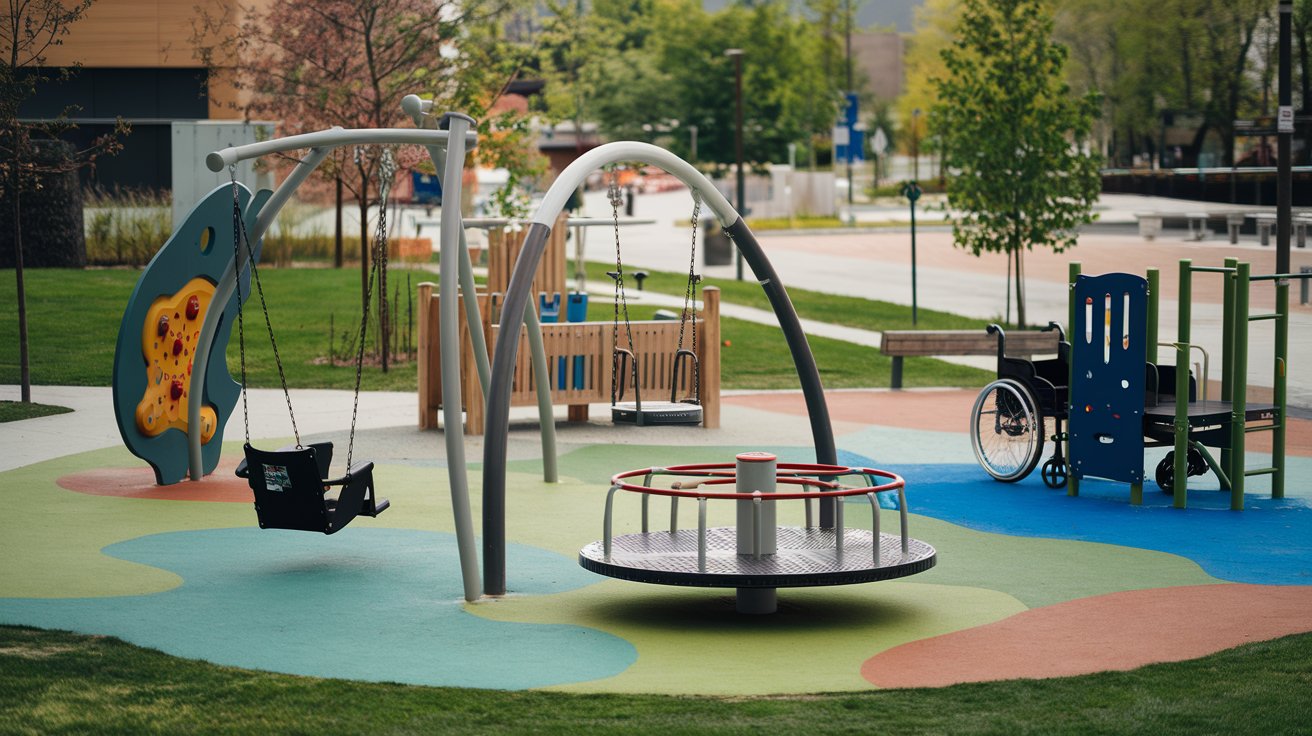
Creating inclusive play spaces requires significant investment, but numerous grants for adaptive playground equipment are available throughout the United States in 2026. Federal programs, state initiatives, corporate foundations, and nonprofit organizations collectively distribute over $150 million annually to support accessible playground projects. This comprehensive guide walks you through available funding sources, eligibility requirements, application strategies, and documentation needed to secure grants for adaptive playground equipment that serve children of all abilities.
Federal Grant Programs for Adaptive Playground Equipment
The federal government offers several grant opportunities for adaptive playground equipment through various agencies in 2026. The Department of Education allocates approximately $32 million annually through the Special Education Grants to States program (IDEA Part B), which can fund adaptive playground equipment for schools serving students with disabilities. The Community Development Block Grant (CDBG) program administered by HUD provides another significant funding avenue, with communities receiving over $3.4 billion that can be directed toward accessible playground projects.
The Land and Water Conservation Fund (LWCF) supports outdoor recreation facilities including adaptive playgrounds, distributing roughly $900 million nationwide in 2026. Applications typically require documented community need, compliance with ADA standards, and matching fund commitments ranging from 10% to 50% depending on the specific program. Federal grants generally have longer application timelines, often requiring 6-12 months from submission to award notification, but they offer substantially larger award amounts ranging from $50,000 to $500,000 for comprehensive playground projects.
State and Local Government Funding Opportunities
State governments across the United States maintain dedicated grant programs for playground equipment that prioritize accessibility and inclusion. In 2026, Texas offers the Community Outdoor Outreach Program with grants up to $75,000 specifically for adaptive playground equipment in Texas communities. California’s Park and Recreation Opportunity Fund provides similar support with awards ranging from $25,000 to $250,000 for projects meeting Universal Design standards. New York’s Environmental Protection Fund supports park improvements including adaptive playgrounds with over $300 million available statewide.
Municipal recreation departments and county park systems also administer local grants for playground equipment funded through property taxes, tourism taxes, and community development fees. Many states require local matching contributions of 25-50% and prioritize projects serving underserved communities. State grant cycles typically open annually between January and March, with application deadlines in late spring. Successful applicants demonstrate strong community partnerships, sustainable maintenance plans, and compliance with both state accessibility codes and federal ADA requirements for play areas.
Corporate Foundation Grant Programs
Major corporations maintain foundation programs specifically supporting adaptive playground equipment grants nationwide. The Target Corporation distributed $5.2 million in 2025 through its community grants program, with priority given to projects creating inclusive play spaces. Walmart Foundation playground grants remain among the most accessible corporate funding sources, offering awards between $5,000 and $50,000 to qualifying nonprofits, schools, and municipalities. In 2026, Walmart playground grants emphasize rural and underserved communities with limited recreational infrastructure.
The Home Depot Foundation Community Impact Grants program supports nonprofit organizations and municipalities with grants up to $5,000 for smaller projects and $500,000 for comprehensive community developments including adaptive playgrounds. Lowe’s Charitable and Educational Foundation provides similar support through its Community Partners Grant Program, awarding approximately $4 million annually to playground and park improvement projects. Corporate grant applications typically require 501(c)(3) status or government entity designation, detailed project budgets, community impact statements, and demonstration of how the playground will serve children with diverse abilities including mobility, sensory, and cognitive differences.
National Nonprofit Organizations Offering Playground Grants
Specialized nonprofit organizations dedicate resources specifically to grants for adaptive playground equipment and inclusive recreation. The Playworld National Demonstration Center Grant Program awards 10-15 grants annually ranging from $25,000 to $100,000 for innovative inclusive playground designs. GameTime’s Grant Assistance Program helps communities identify and apply for suitable playground grants, providing both funding connections and application support services to increase success rates.
The KaBOOM! organization has facilitated over 3,700 playground builds since its founding and continues offering planning grants up to $5,000 and build grants up to $25,000 in 2026. The Shane’s Inspiration Foundation focuses exclusively on accessible playground equipment, providing design consultation, fundraising support, and direct grants averaging $75,000 to qualifying organizations. The Inclusive Play Foundation offers grants ranging from $10,000 to $50,000 specifically for sensory playground equipment that accommodates children with autism spectrum disorders and sensory processing differences. These organizations typically require detailed project proposals, letters of community support, site assessments, and commitments to Universal Design principles.
Grants for Schools and Educational Institutions
Educational institutions have access to specialized playground grants for schools through both government and private sources. The Carol M. White Physical Education Program (PEP) administered by the U.S. Department of Education awards grants up to $750,000 for comprehensive physical education improvements including adaptive playground equipment that supports curriculum goals. In 2026, priority goes to schools serving high percentages of students from low-income families and those demonstrating commitment to inclusive physical education programming.
State education agencies often maintain separate grant programs for playground improvements, with awards typically ranging from $15,000 to $100,000. The Safe Routes to School program, while primarily focused on pedestrian and bicycle safety, includes provisions for playground equipment that encourages active transportation and outdoor physical activity. Private foundations like the Robert Wood Johnson Foundation support school-based play spaces through their Active Living programs, distributing approximately $8 million annually to projects promoting physical activity and addressing childhood obesity. School grant applications require alignment with educational objectives, ADA compliance documentation, safety certifications, and demonstrated inclusion of students with disabilities in design planning processes.
Funding Opportunities for Churches and Faith-Based Organizations
Faith-based organizations can access grants for playground equipment for churches through both secular and religious funding sources. The Faith-Based and Neighborhood Partnerships program supports community service initiatives including recreational facilities serving children beyond congregation members. Church Mutual Foundation provides grants up to $10,000 for playground improvements at houses of worship, with preference for projects demonstrating community accessibility and multi-denominational benefit.
Catholic Campaign for Human Development allocates funding to projects serving low-income communities, including adaptive playgrounds at parish facilities open to neighborhood residents. Methodist congregations can apply through United Methodist Committee on Relief for community development grants supporting inclusive recreation. In 2026, approximately $18 million in foundation funding targets faith-based playground projects that demonstrate clear community benefit, non-discriminatory access policies, and service to children regardless of religious affiliation. Applications typically require evidence of 501(c)(3) status, community needs assessments, partnerships with secular organizations, and commitments to maintaining public access during designated hours.
Grants Specifically for Small Towns and Rural Communities
Small municipalities and rural communities have dedicated grants for playground equipment for small towns through programs recognizing unique challenges of limited tax bases and reduced private funding access. The USDA Rural Development Community Facilities Direct Loan and Grant Program provides funding up to $250,000 for essential community facilities including adaptive playgrounds in towns under 20,000 population. In 2026, this program distributed approximately $45 million to rural playground projects nationwide.
The Rural Community Assistance Corporation offers both technical assistance and direct grants averaging $35,000 for playground improvements in underserved rural areas. State rural development authorities maintain complementary programs, with Montana’s Big Sky Trust Fund, Iowa’s Community Attraction and Tourism Program, and Nebraska’s Recreation Trails Program all supporting playground grants for small towns. Applications emphasize economic development impacts, volunteer contribution commitments, and multi-generational use potential. Rural playground grants typically favor projects incorporating local materials, supporting volunteer construction components, and demonstrating long-term community maintenance capacity without requiring substantial ongoing municipal budgets.
Free Grants for Adaptive Playground Equipment
True free grants for adaptive playground equipment requiring no matching funds or repayment exist through select philanthropic organizations. The Brittany’s Koffee Foundation provides grants averaging $15,000 with no matching requirement for playground equipment serving children with special needs. The Travis Roy Foundation offers grants up to $20,000 specifically for adaptive recreation facilities without matching fund requirements, focusing on communities lacking accessible play spaces.
Local community foundations occasionally offer unrestricted free grants for playground equipment funded through donor-advised funds and estate bequests. In 2026, over 400 community foundations nationwide maintain playground grant programs with varying requirements, with approximately 75 offering awards requiring no local match. The Kiwanis International Foundation and Lions Clubs International Foundation both support playground projects through their local chapters, frequently providing free grants ranging from $2,000 to $25,000. While these opportunities require no matching funds, they typically involve substantial application requirements including community engagement documentation, volunteer commitment letters, and detailed accessibility specifications demonstrating compliance with ADA Standards for Accessible Design Section 240 governing play areas.
Grants for Nonprofit Organizations
Nonprofit organizations seeking playground grants for nonprofits access specialized funding streams unavailable to government entities. The Disney Conservation Fund provides grants up to $100,000 for environmental education and outdoor recreation projects including adaptive playgrounds at nature centers and youth development facilities. The Kresge Foundation supports community development initiatives with playground components, offering grants ranging from $50,000 to $500,000 for comprehensive projects serving disadvantaged populations.
Youth-focused nonprofits can apply through the Laureus Sport for Good Foundation, which distributed $7.2 million in 2025 to organizations using sports and play to address social challenges. Boys & Girls Clubs of America maintains an internal grant program providing affiliated clubs with funding for facility improvements including accessible playground equipment, with awards averaging $40,000. YMCA chapters access the YMCA of the USA Pioneering Healthier Communities program supporting recreational facility improvements. Nonprofit applicants must demonstrate 501(c)(3) status, sustainable operational funding separate from capital improvements, insurance coverage meeting grant requirements, and programming specifically designed to serve children with disabilities alongside typically developing peers.
How to Write a Competitive Grant for Playground Equipment
Successfully writing grant applications for playground equipment requires strategic planning and detailed documentation. Start by conducting comprehensive community needs assessments that quantify children lacking access to adaptive play spaces, utilizing data from school special education departments, disability service organizations, and census demographics. In 2026, successful applications include specific statistics showing gaps in inclusive recreation opportunities, such as percentage of children with disabilities in the service area, distance to nearest accessible playground, and documented community input supporting the project.
Grant narratives should clearly explain how to write a grant for playground equipment that demonstrates sustainability, community ownership, and measurable outcomes. Include detailed equipment specifications with manufacturer quotes, site plans showing ADA-compliant pathways and transfer systems, maintenance budgets projecting 20-year lifecycle costs, and partnerships with disability advocacy organizations. Strong applications incorporate letters of support from pediatric therapists, special education directors, and parent advocacy groups. Budget sections must itemize all costs including site preparation, surfacing materials, installation, safety inspections, and contingency reserves typically 10-15% of total project costs. Successful applicants also demonstrate fundraising diversity, with grant requests representing 40-60% of total project funding complemented by local contributions, corporate sponsorships, and community fundraising campaigns.
Funding for Sensory Playground Equipment
Specialized charities that help fund sensory equipment recognize the unique needs of children with autism spectrum disorders and sensory processing challenges. The Organization for Autism Research provides grants through its Community Service Grants program, offering awards up to $10,000 specifically for sensory playground equipment including therapeutic swings, tactile play panels, and quiet zones within larger playground designs. The Autism Society of America maintains a searchable database of local chapters offering equipment grants averaging $5,000 to $15,000.
The Sensory Processing Disorder Foundation connects communities with funding sources for specialized play equipment addressing vestibular, proprioceptive, and tactile needs. In 2026, approximately $12 million in philanthropic funding specifically targets sensory equipment grants nationwide. The Doug Flutie Jr. Foundation for Autism awards grants averaging $25,000 for comprehensive sensory playground installations incorporating multiple therapeutic play elements. Applications for sensory-specific funding require documentation from occupational therapists outlining therapeutic benefits, equipment specifications meeting ASTM F1487 safety standards while accommodating sensory needs, and programming plans describing how children with sensory differences will be welcomed and supported in using the equipment. Successful projects demonstrate collaboration with autism resource centers and sensory integration specialists in design phases.
Can an LLC Get Grant Funding for Playground Equipment
The question can an LLC get grant funding for playground projects has nuanced answers depending on specific grant programs and LLC structure. Traditional philanthropic foundations and government agencies generally restrict grants to 501(c)(3) nonprofit organizations and government entities, making standard LLC structures ineligible. However, low-profit limited liability companies (L3Cs) and benefit corporations sometimes qualify for specific grant programs recognizing hybrid social enterprise models.
LLCs developing playground equipment for commercial purposes like childcare centers or family entertainment venues typically do not qualify for grants for playground equipment but may access alternative funding including New Markets Tax Credits, Community Development Financial Institution loans, and SBA 504 loans with reduced interest rates. The Small Business Innovation Research (SBIR) program offers grants to LLCs developing innovative playground equipment technologies, with Phase I awards up to $275,000 and Phase II awards reaching $1.8 million for prototype development and commercialization. In 2026, approximately $4.2 billion in SBIR funding supports small business innovation across all sectors. LLCs operating as nonprofit fiscal sponsors occasionally facilitate playground grants for community groups lacking tax-exempt status, charging administrative fees of 5-15% while maintaining grant compliance. Any LLC considering grant applications should consult the specific program requirements and potentially restructure as a nonprofit entity if playground development represents the core mission.
Related video about grants for adaptive playground equipment
This video complements the article information with a practical visual demonstration.
Essential Q&A about grants for adaptive playground equipment
Are there grants available for playground equipment in 2026?
Yes, extensive grants are available for playground equipment through federal programs like CDBG and LWCF (distributing over $4 billion combined), state recreation departments, corporate foundations including Walmart and Target (providing over $10 million annually), and nonprofit organizations like KaBOOM! and Shane’s Inspiration. Award amounts range from $2,000 for small equipment grants to $750,000 for comprehensive school playground projects through programs like the Carol M. White Physical Education Program. Over 300 distinct funding sources support playground projects nationwide in 2026.
What charities help fund sensory equipment for playgrounds?
Charities funding sensory equipment include the Organization for Autism Research (grants up to $10,000), Doug Flutie Jr. Foundation for Autism (average awards $25,000), Autism Society of America local chapters ($5,000-$15,000), and the Sensory Processing Disorder Foundation which connects communities with specialized funding sources. These organizations collectively distribute approximately $12 million annually for sensory playground equipment including therapeutic swings, tactile panels, and calming spaces designed for children with autism spectrum disorders and sensory processing challenges.
How to write a grant for playground equipment that wins funding?
To write a successful playground equipment grant, include comprehensive community needs assessments with specific statistics on children lacking accessible play spaces, detailed equipment specifications with manufacturer quotes, site plans showing ADA compliance, 20-year maintenance budgets, and letters of support from disability organizations and pediatric therapists. Demonstrate sustainability by showing the grant represents 40-60% of total funding with community contributions covering the remainder. Include measurable outcomes, partnership commitments, and programming plans for inclusive play. Budget sections should itemize all costs with 10-15% contingency reserves.
Can an LLC get grant funding for playground projects?
Standard LLCs generally cannot receive traditional playground grants restricted to 501(c)(3) nonprofits and government entities. However, low-profit LLCs (L3Cs) and benefit corporations may qualify for specific programs. LLCs developing innovative playground technologies can access Small Business Innovation Research (SBIR) grants up to $1.8 million in Phase II awards. Commercial playground operators typically pursue alternative funding like New Markets Tax Credits or SBA loans rather than grants. LLCs can serve as fiscal sponsors for community groups, facilitating grant management for 5-15% administrative fees.
What documentation is needed to apply for adaptive playground grants?
Grant applications for adaptive playground equipment require 501(c)(3) determination letters or government entity verification, detailed project budgets with itemized costs, site plans showing ADA-compliant pathways and surfaces, equipment specifications meeting ASTM F1487 standards, letters of community support from disability organizations, community needs assessments with demographic data, maintenance plans projecting long-term costs, proof of insurance coverage, organizational financial statements, and board resolutions authorizing the grant application. Applications also need timeline projections, fundraising plans showing matching contributions, and programming descriptions explaining how children with disabilities will access and benefit from the playground.
How long does the playground grant application process take?
The playground grant application timeline varies significantly by funding source. Federal grants typically require 6-12 months from application submission to award notification, with additional months for contracting and fund disbursement. Corporate foundation grants average 3-6 months for decisions. Local community foundation grants may decide within 60-90 days. After award, playground construction timelines add 4-8 months including design finalization, permitting, contractor procurement, and installation. From initial application to playground opening, comprehensive projects typically span 12-24 months. Applicants should plan accordingly, starting grant research 18-24 months before desired playground completion dates.
| Funding Source | Typical Award Range | Best For |
|---|---|---|
| Federal Programs (CDBG, LWCF) | $50,000 – $500,000 | Municipalities with matching funds, comprehensive projects |
| State Recreation Grants | $25,000 – $250,000 | Government entities, large-scale playground developments |
| Corporate Foundations (Walmart, Target) | $5,000 – $50,000 | Schools, nonprofits, rural communities, quick timelines |
| National Playground Nonprofits | $10,000 – $100,000 | Inclusive design projects, underserved communities |
| Sensory Equipment Charities | $5,000 – $25,000 | Autism-friendly features, therapeutic play elements |
| Local Community Foundations | $2,000 – $35,000 | First-time applicants, neighborhood projects, no match |