
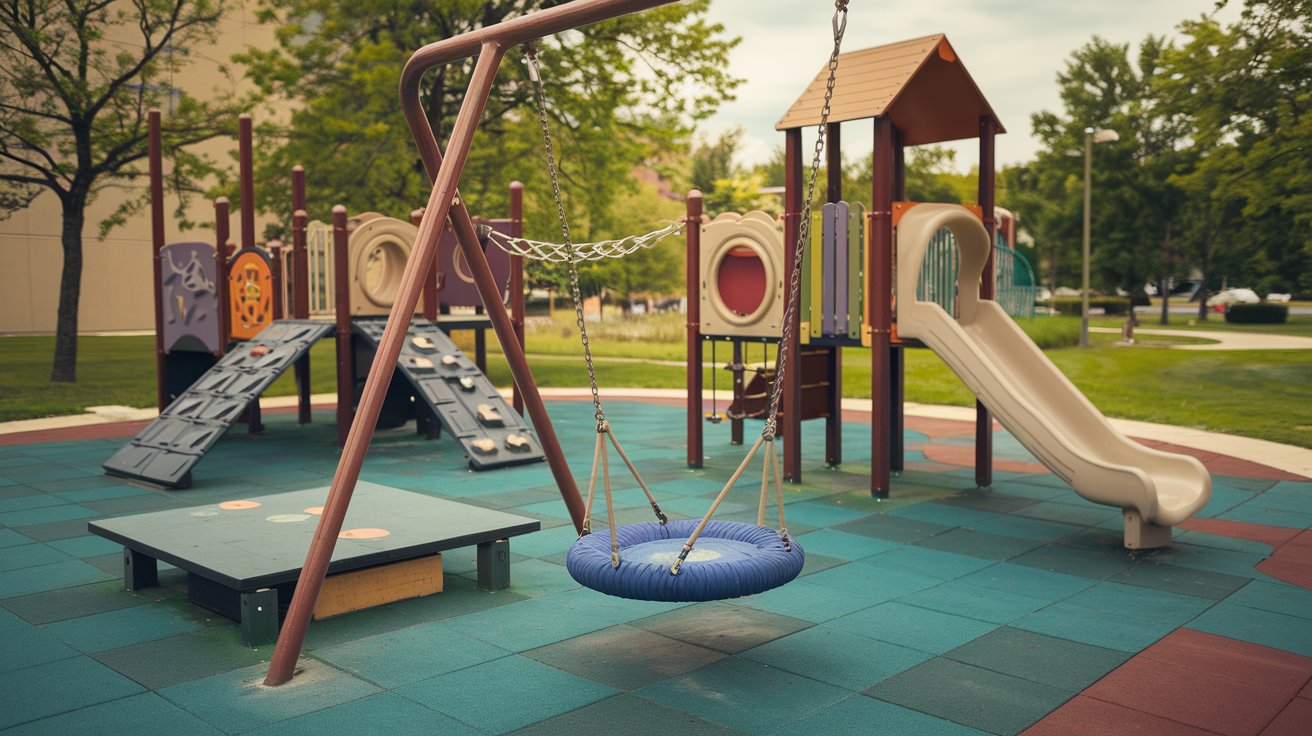
Sensory playground equipment for autism represents a specialized approach to creating inclusive outdoor play environments that accommodate children with autism spectrum disorder (ASD). In 2026, approximately 1 in 36 children in the United States are diagnosed with autism, making sensory-friendly playground design essential for communities nationwide. This comprehensive guide explores evidence-based equipment selections, design principles, and practical implementation strategies that transform standard playgrounds into therapeutic, engaging spaces where children with autism can thrive socially, physically, and emotionally.
Understanding Autism and Sensory Processing in Playground Environments
Children with autism spectrum disorder often experience sensory processing differences that significantly impact their playground experiences. According to 2026 research from the American Occupational Therapy Association, approximately 90% of children with autism demonstrate some form of sensory processing challenge, whether hypersensitivity (over-responsiveness) or hyposensitivity (under-responsiveness) to sensory input. These differences affect how children perceive and interact with playground equipment, sounds, textures, and visual stimuli.
The sensory systems most affected during playground activities include the vestibular system (balance and spatial orientation), proprioceptive system (body awareness), tactile system (touch), auditory system (sound), and visual system (sight). Understanding these sensory needs is fundamental to selecting appropriate sensory playground equipment for autism that provides therapeutic benefits rather than overwhelming or under-stimulating experiences. Modern playground design in 2026 emphasizes neurodiversity-affirming approaches that celebrate different sensory preferences rather than attempting to normalize all children’s responses.
Essential Types of Sensory Playground Equipment for Autism
The market for autism playground equipment has expanded significantly by 2026, with manufacturers developing specialized products based on occupational therapy research and user feedback. The most effective sensory playgrounds incorporate diverse equipment types that address multiple sensory systems simultaneously.
Vestibular and Proprioceptive Equipment
Vestibular equipment provides crucial movement experiences for children with autism who often seek or avoid certain types of motion. Platform swings, bucket swings with back support, and sensory integration swings offer controlled movement opportunities that help regulate the vestibular system. In 2026, adaptive swing designs include adjustable speed mechanisms and enclosed models that provide security for children with balance concerns. Spinning equipment like inclusive merry-go-rounds with harness systems and standalone spinning discs accommodate various ability levels while delivering vestibular input.
Proprioceptive equipment focuses on body awareness and deep pressure input, which many children with autism find calming and organizing. Climbing structures with varied grip sizes, compression tunnels, resistance-based equipment, and weighted activity panels provide this essential sensory feedback. The latest 2026 designs incorporate pressure-sensing platforms that children can push, pull, or press to activate visual or auditory feedback, combining proprioceptive input with immediate rewards that motivate engagement.
Tactile and Visual Sensory Elements
Tactile panels and sensory playground equipment for toddlers with autism feature diverse textures including smooth, rough, bumpy, soft, and temperature-variant surfaces. Modern 2026 equipment includes interactive tactile walls with movable elements, water play features with adjustable flow rates, sand and dig areas with multiple tool types, and nature-inspired textures like bark, stone, and wood grain surfaces. These elements allow children to explore touch sensations at their own pace, building tolerance and sensory integration skills.
Visual sensory equipment addresses both hypersensitive children who need calming visual environments and hyposensitive children who benefit from stimulating visual input. Color-changing panels powered by solar technology, bubble tubes with LED lighting, mirror panels for visual feedback, and high-contrast color schemes help regulate visual processing. The best sensory playground equipment for autism in 2026 incorporates adjustable lighting options and nature-based visual elements that provide engaging yet non-overwhelming visual stimulation throughout different times of day.
Designing an Autism-Friendly Sensory Playground Layout
Effective playground design for children with autism extends beyond equipment selection to encompass thoughtful spatial organization and environmental considerations. Research from the Autism Society of America in 2026 demonstrates that playground layout significantly impacts usage rates, with well-designed spaces seeing 60% higher engagement from children with autism compared to standard playgrounds.
The most successful sensory playground ideas incorporate zoning concepts that separate high-energy activities from calming spaces. Active zones feature swings, climbers, and vestibular equipment, while quiet zones offer enclosed spaces, sensory panels, and nature elements. Transition zones with moderate stimulation levels connect these areas, allowing children to gradually adjust sensory input. Clear visual pathways using colored surfacing or natural boundaries help children with autism navigate the space predictably, reducing anxiety associated with unstructured environments.
Safety Surfacing and Boundary Considerations
Safety surfacing for autism playground equipment requires special consideration in 2026, with poured-in-place rubber surfacing leading as the preferred option for sensory-friendly spaces. This surfacing type provides consistent texture without loose materials that some children find distressing, maintains ADA compliance with proper thickness, offers customizable colors for wayfinding, and reduces tripping hazards compared to wood chips or gravel. Alternative options include synthetic turf in quiet zones and rubberized tiles with varied textures in designated sensory paths.
Boundary establishment through fencing and natural barriers addresses safety concerns for children with autism who may elope or wander. Modern 2026 fencing solutions balance security with aesthetics through decorative metal fencing with minimal visual obstruction, natural fencing using hedges and landscaping, self-closing gates with childproof latches positioned at adult height, and fence heights of 5-6 feet meeting safety standards while preventing climbing. These boundaries create defined spaces that help children understand playground limits while providing parents and caregivers peace of mind.
Quiet Zones and Sensory Regulation Spaces
Dedicated quiet zones represent critical components of sensory playground equipment for schools and public spaces serving children with autism. These areas provide retreat spaces when sensory input becomes overwhelming, with design elements including enclosed pod structures or small playhouses, noise-reducing materials and strategic positioning away from high-traffic areas, comfortable seating with back support, calming visual elements like nature views or soft colors, and dimmed lighting through natural shade or architectural features.
Sensory regulation spaces in 2026 increasingly incorporate biophilic design principles, integrating natural elements that research shows reduce stress and promote emotional regulation. Living walls with non-toxic plants, natural wood elements with smooth finishes, water features with adjustable sound levels, and rock gardens with various sizes and textures create calming environments that support self-regulation skills. These spaces should accommodate both solitary play and small group interactions, with flexible configurations supporting different social comfort levels.
Age-Appropriate Equipment Selection and Accessibility
Selecting sensory playground equipment for autism for toddlers versus older children requires understanding developmental stages and safety standards specific to each age group. The Consumer Product Safety Commission updated playground safety guidelines in 2025, emphasizing inclusive design that accommodates children with disabilities across all age ranges.
For toddlers aged 2-5 years, appropriate equipment includes low-height climbing structures under 32 inches, bucket swings with full harness systems, ground-level sensory panels within reach, simple cause-effect equipment like musical panels, and wide, gradual ramps for accessibility. Equipment should feature rounded edges, non-pinch designs, and high visibility for caregiver supervision. The best sensory playground equipment for autism in this age group emphasizes exploration and parallel play opportunities rather than complex social interactions.
School-Age and Adolescent Equipment Options
Children aged 5-12 years benefit from more complex sensory playground equipment for schools that builds on foundational skills while introducing challenges. Appropriate selections include multi-level climbing structures with varied difficulty, challenging balance elements like wobble bridges and slack lines, cooperative play equipment requiring 2-3 users, sensory integration circuits combining multiple equipment types, and social skills development areas with defined roles or activities. Equipment should support both solitary and group play, allowing children with autism to choose engagement levels comfortable for them.
Adolescent playground equipment (ages 13+) remains limited in most communities as of 2026, despite growing recognition that teenagers with autism benefit from continued sensory play opportunities. Progressive playground designs now include fitness-based sensory equipment like resistance stations and proprioceptive challenges, social gathering spaces with built-in games like chess or checkers, creative elements including outdoor musical instruments and art panels, and nature integration through obstacle courses and trail systems. These age-appropriate options reduce age-inappropriate equipment use and provide continued therapeutic benefits throughout development.
Where to Purchase Sensory Playground Equipment for Autism
The marketplace for sensory playground equipment for autism for sale has diversified significantly by 2026, with options ranging from specialized manufacturers to general retailers. Understanding where to purchase equipment helps communities, schools, and families make informed decisions that balance quality, cost, and specific needs.
Specialized playground equipment manufacturers including companies like Landscape Structures, PlayCore, GameTime, and Sensory University offer comprehensive autism playground equipment solutions with professional design services. These manufacturers provide certified safety compliance, customization options for specific needs, installation services and warranty coverage, and equipment designed by occupational therapists and special education experts. While costs are higher than retail options, the quality, durability, and therapeutic value typically justify investment for permanent installations.
Retail and Online Options for Home and Small-Scale Installations
Families seeking sensory playground equipment for autism Amazon options or retail purchases find growing selections at major retailers in 2026. Home Depot, Lowe’s, Walmart, and Amazon carry portable sensory equipment, small-scale swing sets with adaptive features, individual sensory panels and activity boards, and outdoor sensory tables and sand-water play stations. These options suit residential yards, small therapy centers, or supplemental equipment for larger playgrounds, with price points ranging from $50 for individual panels to $2,000 for complete small-scale play systems.
When purchasing retail sensory playground equipment for autism, critical considerations include safety certifications meeting ASTM standards, weight capacity appropriate for intended users, weather-resistant materials rated for outdoor use, ease of assembly and installation requirements, and return policies for equipment that doesn’t meet needs. Online marketplaces also connect buyers with used commercial-grade equipment from schools or parks undergoing renovations, offering cost savings of 40-60% compared to new equipment purchases while maintaining quality and safety standards.
Funding and Grant Opportunities for Sensory Playgrounds
Financing comprehensive sensory playground equipment for schools and communities represents a significant challenge, with costs for fully equipped autism-friendly playgrounds ranging from $50,000 to $500,000 in 2026. Fortunately, numerous funding sources specifically support inclusive playground development across the United States.
Federal and national grant programs include the Community Development Block Grant (CDBG) Program supporting community facility improvements, the Land and Water Conservation Fund providing matching grants for outdoor recreation spaces, the National Endowment for Arts Creative Placemaking grants for innovative community projects, and the Autism Society of America’s various local chapter grants for autism-specific projects. State-level disability services departments also offer grants specifically for autism playground equipment, with funding amounts varying by state from $5,000 to $100,000 per project.
Corporate sponsorships and foundation grants provide additional funding pathways in 2026, with companies like Lowe’s, Home Depot, Target, and various autism-focused foundations offering community improvement grants. Successful applications emphasize community need with demographics data, inclusive design benefiting all children, maintenance plans ensuring long-term sustainability, and community involvement through volunteer and fundraising efforts. Crowdfunding campaigns through platforms like GoFundMe or Facebook Fundraisers supplement traditional grants, with successful campaigns averaging $15,000-$30,000 for sensory playground ideas that demonstrate clear community support.
Maintenance and Longevity of Sensory Playground Equipment
Proper maintenance extends the lifespan of sensory playground equipment for autism while ensuring continued safety and therapeutic value. The National Recreation and Park Association recommends comprehensive maintenance schedules that address the unique requirements of sensory equipment beyond standard playground structures.
Daily and weekly maintenance tasks include visual inspections for obvious hazards or damage, cleaning of high-touch sensory panels and surfaces, checking moving parts like swings for proper function, ensuring safety surfacing remains level and adequate, and removing debris from interactive sensory elements. Monthly maintenance should involve detailed inspections documenting equipment condition, tightening hardware and fasteners throughout structures, testing electronic components in interactive elements, lubricating moving parts according to manufacturer specifications, and assessing wear patterns indicating needed replacements.
Annual professional inspections by certified playground safety inspectors remain essential for autism playground equipment in 2026, with costs ranging from $500-$2,000 depending on playground size. These inspections verify compliance with current ASTM standards, identify equipment reaching end of useful life, assess accessibility features for continued ADA compliance, and provide documentation for liability protection. Equipment lifespan varies by type and quality, with metal structures lasting 15-20 years, plastic components requiring replacement every 10-15 years, safety surfacing needing renewal every 8-10 years, and electronic sensory elements typically functioning 5-7 years before requiring updates.
Therapeutic Benefits and Outcome Measurement
Quantifying the therapeutic benefits of sensory playground equipment for autism helps justify investment and demonstrates value to stakeholders. Research from occupational therapy journals in 2026 documents significant developmental gains for children with regular access to well-designed sensory playgrounds.
Physical development benefits include improved gross motor skills through climbing and balancing, enhanced fine motor coordination via manipulative sensory elements, increased physical activity levels with average sessions of 45-60 minutes, better vestibular and proprioceptive integration supporting body awareness, and improved muscle strength and endurance. Studies show children with autism using sensory playground equipment for schools at least three times weekly demonstrate 40% faster progress in motor skill development compared to those with standard playground access only.
Social-emotional outcomes prove equally significant, with best sensory playground equipment for autism facilitating parallel play opportunities reducing social pressure, turn-taking skills development through shared equipment, communication increases in structured play environments, reduced anxiety in predictable, controlled sensory settings, and improved emotional regulation through calming spaces. School districts implementing comprehensive sensory playgrounds report 35% decreases in behavioral incidents during recess periods and 50% increases in positive peer interactions among students with autism.
Community Implementation Success Strategies
Successfully implementing sensory playground ideas requires more than purchasing equipment—it demands comprehensive community planning and stakeholder engagement. Communities that follow structured implementation processes achieve higher utilization rates and long-term sustainability.
The planning phase should involve forming diverse committees including parents of children with autism, occupational therapists and special educators, parks and recreation professionals, local autism advocacy groups, and community members representing various interests. This committee guides needs assessment through surveys identifying specific community needs, site selection considering accessibility and visibility, budget development with realistic cost projections including maintenance, and timeline creation with achievable milestones spanning 12-24 months for major projects.
Design and construction phases benefit from professional consultation with certified playground designers specializing in autism-friendly spaces. Key steps include schematic design presenting multiple layout options, community feedback sessions allowing input refinement, final design approval with detailed specifications, competitive bidding processes for equipment and installation, and phased construction allowing partial openings when full completion faces delays. Communities should plan grand opening celebrations that introduce the space to families, provide usage orientation, and recognize contributors, building community ownership that supports long-term success.
Training and Programming for Sensory Playgrounds
Maximizing benefits from sensory playground equipment for autism requires trained staff and structured programming beyond simply opening spaces to free play. Progressive communities in 2026 implement comprehensive training and programming initiatives that transform playgrounds into therapeutic community assets.
Staff training programs for parks and recreation employees, school recess monitors, and playground supervisors should cover autism spectrum disorder basics and sensory processing differences, specific equipment purposes and therapeutic applications, behavior support strategies for common challenges, communication techniques supporting various abilities, and emergency procedures specific to autism-related situations. Many occupational therapy practices now offer contracted training services specifically for autism playground equipment supervision, with costs averaging $500-$1,500 for comprehensive half-day sessions training 15-20 staff members.
Structured programming enhances playground utilization through scheduled sensory play groups for children with autism, social skills development sessions using playground equipment, parent education workshops on supporting sensory needs, inclusive community play events welcoming all abilities, and therapeutic recreation programs designed by occupational therapists. Schools with dedicated sensory playground equipment for schools implement these programs during recess, before/after school, and summer programs, with participation rates averaging 40-60 students per week in elementary schools of 500+ students.
Related video about sensory playground equipment for autism
This video complements the article information with a practical visual demonstration.
Frequently Asked Questions
What is the best sensory playground equipment for children with autism?
The best sensory playground equipment for autism includes vestibular elements like platform swings and spinning equipment, proprioceptive items such as climbing structures and compression tunnels, tactile panels with diverse textures, and quiet spaces for sensory regulation. Effective playgrounds incorporate equipment addressing multiple sensory systems, allowing children to choose activities matching their current regulation needs. In 2026, adaptive swings with full support systems, inclusive merry-go-rounds with harnesses, sensory panels featuring varied textures and interactive elements, and enclosed pods for calming remain top-rated options. The most successful installations combine 8-12 different equipment types creating comprehensive sensory experiences rather than focusing on single items.
How much does sensory playground equipment for autism cost?
Sensory playground equipment costs vary significantly based on scope and quality. Individual sensory panels range from $50-$500 for residential options available on Amazon and retail stores. Complete residential sensory playground systems cost $2,000-$8,000 for quality equipment. Commercial-grade installations for schools and communities range from $50,000-$150,000 for moderate-sized playgrounds with 10-15 equipment pieces, while comprehensive autism-friendly playgrounds with extensive equipment, specialized surfacing, and landscaping cost $150,000-$500,000. Installation typically adds 15-25% to equipment costs. In 2026, grant funding and phased installation approaches help communities manage costs while creating effective sensory play environments meeting diverse needs.
Where can I buy sensory playground equipment for autism?
Sensory playground equipment for autism is available through multiple channels in 2026. Specialized commercial manufacturers like Landscape Structures, GameTime, and PlayCore offer comprehensive solutions for schools and communities with professional design services. Retail options include Amazon, Home Depot, Lowe’s, and Walmart carrying residential-scale equipment suitable for home yards or small facilities. Online marketplaces connect buyers with used commercial equipment at 40-60% discounts. For schools and communities, working with certified playground consultants ensures appropriate equipment selection meeting safety standards, ADA compliance, and therapeutic objectives. Many manufacturers offer financing options, and grant programs specifically support autism-friendly playground equipment purchases for qualifying organizations.
What safety considerations are important for autism playground equipment?
Safety considerations for autism playground equipment extend beyond standard playground requirements. Critical factors include secure boundary fencing 5-6 feet high with self-closing gates preventing elopement, poured-in-place rubber surfacing providing consistent texture and proper fall protection, enclosed swing designs with full harness systems for children with balance challenges, rounded edges and non-pinch designs throughout equipment, and high visibility for caregiver supervision from multiple vantage points. Equipment must meet ASTM safety standards and ADA accessibility requirements. Additional autism-specific safety features include gradual transitions between activity zones, clear visual boundaries defining playground areas, equipment spacing preventing overwhelming sensory input, and emergency exit accessibility from all playground sections. Annual professional safety inspections remain essential for liability protection and continued compliance.
How do sensory playgrounds benefit children with autism?
Sensory playgrounds provide significant therapeutic benefits for children with autism across multiple developmental domains. Physical benefits include improved motor skills, better balance and coordination, increased physical activity levels, and enhanced sensory integration. Social-emotional gains encompass reduced anxiety through predictable environments, improved peer interactions in structured settings, enhanced communication opportunities, better emotional regulation skills, and increased confidence through mastery experiences. Cognitive benefits include problem-solving skill development, cause-effect understanding through interactive elements, and improved attention and focus. Research in 2026 documents that children with autism using well-designed sensory playgrounds three times weekly show 40% faster motor skill progress and 35% fewer behavioral challenges compared to those with standard playground access only.
Can sensory playground equipment be used in home settings?
Sensory playground equipment adapts effectively to residential settings with appropriate selection and installation. Home-suitable options available in 2026 include compact swing frames with adaptive seats costing $300-$1,200, individual sensory panels mounted on fences or walls priced $50-$300, small climbing structures designed for yards ranging $500-$2,500, portable sensory tables for sand and water play at $100-$400, and ground-level balance and vestibular equipment costing $200-$800. Residential installations should consider available space, proper safety surfacing like rubber mulch or mats, secure anchoring meeting manufacturer specifications, and local zoning regulations for outdoor structures. Many families create effective sensory play areas for $2,000-$5,000 using residential-grade equipment, providing daily therapeutic play opportunities that supplement school and community playground access.
| Equipment Category | Key Features | Therapeutic Benefits |
|---|---|---|
| Vestibular Equipment | Platform swings, bucket swings, spinning elements, merry-go-rounds with harness systems | Improves balance, spatial awareness, sensory integration, and body control |
| Proprioceptive Equipment | Climbing structures, compression tunnels, resistance elements, weighted panels | Enhances body awareness, provides calming deep pressure, builds strength |
| Tactile Elements | Sensory panels, varied textures, water features, sand play areas | Develops tactile processing, builds sensory tolerance, encourages exploration |
| Quiet Zones | Enclosed pods, calming spaces, nature elements, comfortable seating | Supports emotional regulation, reduces sensory overload, provides safe retreat |
| Safety Features | Secure fencing, appropriate surfacing, clear boundaries, high visibility design | Prevents elopement, reduces injury risk, provides caregiver peace of mind |
| Social Equipment | Multi-user elements, cooperative activities, parallel play opportunities | Facilitates peer interaction, develops turn-taking, builds communication skills |