
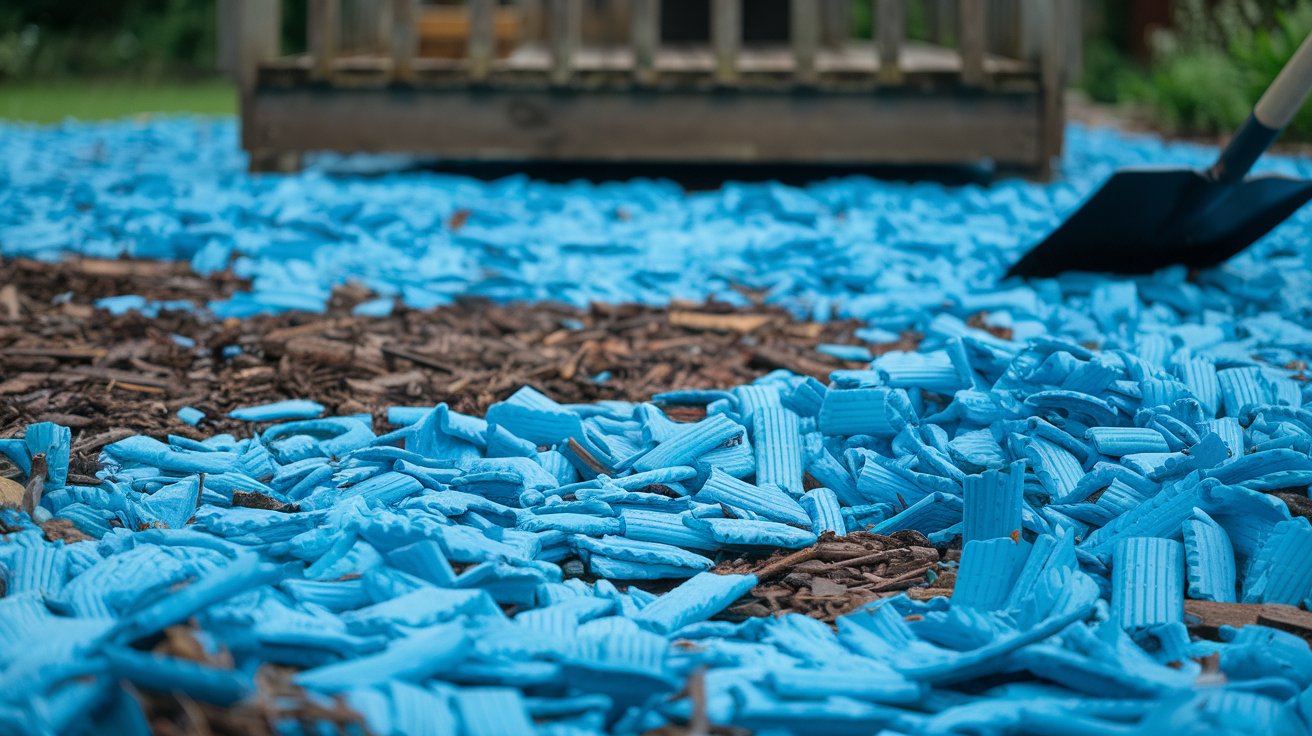
Determining how much rubber mulch you need requires calculating your area’s square footage and desired depth. For standard landscaping, expect one 40-pound bag to cover approximately 12 square feet at 2 inches deep. Most residential projects use 2-3 inches of depth, while playground safety zones require 6-12 inches depending on equipment height. This comprehensive guide provides exact calculations, coverage charts, and practical tips to purchase the right amount without waste or shortage.
Basic Rubber Mulch Coverage Calculator
The fundamental formula for calculating rubber mulch needs is: Square Footage × Desired Depth (in inches) ÷ 12 = Cubic Feet Required. Once you have cubic feet, convert to pounds or bags based on coverage rates. A standard 40-pound bag covers 12 square feet at 2 inches, 8 square feet at 3 inches, or 6 square feet at 4 inches depth. For a typical 100 square foot garden bed at 3 inches deep, you would need approximately 13 bags of rubber mulch.
Understanding coverage per bag prevents costly overbuying or project delays from running short. Rubber mulch weighs significantly less than wood mulch while providing superior coverage. The density allows 40 pounds of rubber mulch to spread further than equivalent organic materials. Most manufacturers package rubber mulch in 40-pound bags, though 20-pound and 2,000-pound bulk bags are available for smaller or commercial projects respectively.
Coverage by Bag Size and Depth
Different bag sizes and application depths dramatically affect total coverage. Here’s what homeowners across the United States need to know in 2026 about standard coverage rates.
40-Pound Bag Coverage Rates
A 40-pound bag of rubber mulch remains the industry standard size offering the best value per pound. At 1 inch depth, one bag covers approximately 24 square feet. At the most common 2-inch landscaping depth, coverage drops to 12 square feet. For 3-inch applications, expect 8 square feet per bag, while 4-inch depth yields just 6 square feet coverage. Professional landscapers recommend 2-3 inches for garden beds and pathways, which balances weed suppression with material cost efficiency.
20-Pound and Bulk Bag Options
Smaller 20-pound bags offer convenience for tight spaces or decorative accents, covering 6 square feet at 2 inches deep. These bags cost more per pound but eliminate lifting heavy loads. Conversely, commercial 2,000-pound bulk bags reduce costs for large projects by 15-25% compared to individual 40-pound bags. One bulk bag covers approximately 600 square feet at 2 inches, making them ideal for playground installations, commercial landscapes, or developments covering multiple acres.
Calculating Mulch for Common Project Sizes
Real-world project calculations help visualize material requirements for typical United States residential and commercial applications in 2026.
Small Garden Beds and Flower Beds
A standard 50 square foot flower bed at 2 inches deep requires approximately 4-5 bags (160-200 pounds) of rubber mulch. For a 100 square foot garden area, plan on 8-9 bags at 2 inches or 13 bags at 3 inches depth. Small decorative rings around trees typically measure 12-20 square feet, needing just 2-3 bags per tree. Always purchase one extra bag per 100 square feet to account for settling, irregular shapes, and border overlaps that increase actual coverage needs.
Medium Landscaping Projects
Medium-sized projects between 200-500 square feet include pathway systems, extended garden beds, or comprehensive front yard landscaping. A 300 square foot area at 2.5 inches depth requires approximately 26 bags (1,040 pounds) of rubber mulch. For pathways requiring 3-4 inches to prevent displacement from foot traffic, calculate 38-50 bags for 300 square feet. These mid-range projects benefit from purchasing by the pallet, which typically contains 50-56 bags with 5-10% discounts compared to individual bag pricing.
Large Yards and Commercial Installations
Properties exceeding 1,000 square feet of mulch coverage should consider bulk delivery options. A standard residential backyard covering 1,500 square feet at 3 inches deep needs approximately 188 bags (7,520 pounds), making bulk bags economically sensible. Commercial installations, HOA common areas, and playground safety surfacing projects routinely require 5,000-20,000 square feet of coverage. At these volumes, work with suppliers offering bulk pricing, delivery, and professional installation to ensure proper depth compliance with safety standards.
Playground Safety Surfacing Requirements
Playground applications have specific depth requirements mandated by ASTM F1292 safety standards. The required depth depends on the critical fall height of equipment, with standard playground structures requiring 6-9 inches of rubber mulch for proper impact attenuation.
A typical playground area of 400 square feet with equipment having an 8-foot critical fall height requires 9 inches of rubber mulch depth, totaling approximately 134 bags (5,360 pounds). Always consult ASTM F1292 and F1951 standards which mandate specific depths based on fall heights. Under-mulching playgrounds creates serious liability issues, while over-mulching wastes budget without additional safety benefits. Professional installers typically add 10-15% extra material to account for settling and maintain compliant depths throughout the surface’s 12-20 year lifespan.
Depth Recommendations by Application Type
Choosing the correct mulch depth balances functionality, cost, and maintenance requirements for different landscaping applications across United States properties.
Landscaping and Garden Beds
Standard garden beds and landscaping areas perform optimally with 2-3 inches of rubber mulch depth. This thickness suppresses weeds effectively, retains soil moisture, and maintains temperature stability around plant roots. Thinner applications under 2 inches allow weed penetration and require frequent replenishment, while depths exceeding 4 inches can restrict water penetration and create drainage issues. The 2-3 inch range provides the best balance of coverage, cost efficiency, and horticultural benefits for ornamental beds, vegetable gardens, and foundation plantings.
Pathways and High-Traffic Areas
Walkways, dog runs, and high-traffic pathways need 3-4 inches of rubber mulch to prevent displacement and maintain even coverage. The increased depth compensates for compression from foot traffic while providing cushioning that reduces joint stress. Rubber mulch in pathways stays in place better than wood chips, doesn’t decompose, and maintains consistent appearance without annual replenishment. Border edging becomes critical at these depths to prevent migration into adjacent lawn areas.
Tree Rings and Decorative Areas
Individual tree rings and decorative accents typically use 2-3 inches depth matching surrounding landscape beds. Avoid piling rubber mulch against tree trunks, maintaining a 3-6 inch clearance to prevent moisture retention and bark damage. For purely decorative applications like colored rubber mulch borders or geometric designs, even 1.5-2 inches provides adequate visual impact while minimizing material costs. These shallow applications work for aesthetics but lack the weed suppression and moisture retention of deeper installations.
How Much Does 40 Pounds of Rubber Mulch Cover
The coverage rate of 40 pounds of rubber mulch varies directly with application depth. At the minimum recommended 1-inch depth, one 40-pound bag covers 24 square feet, though this shallow application provides limited weed control. The most common 2-inch landscaping depth reduces coverage to 12 square feet per bag, balancing material efficiency with functional benefits. Increasing to 3 inches drops coverage to 8 square feet per bag, while 4-inch applications yield just 6 square feet per 40-pound bag.
These coverage calculations assume level ground and proper spreading techniques. Irregular terrain, slopes, and around obstacles typically reduce actual coverage by 10-15%. Professional landscapers recommend adding 10% to calculated bag requirements for real-world conditions. The 40-pound bag size offers optimal handling weight while providing sufficient coverage to make measuring and ordering straightforward for projects of any size from small flower beds to extensive commercial installations.
Advantages and Considerations of Rubber Mulch
Understanding both benefits and potential drawbacks helps property owners make informed decisions about using rubber mulch for their specific landscaping needs and environmental conditions.
Key Benefits of Rubber Mulch
Rubber mulch longevity surpasses all organic alternatives, maintaining appearance and functionality for 10-20 years without decomposition or replenishment. This durability eliminates annual mulch replacement costs, offsetting higher initial material prices within 3-4 years. The material doesn’t attract termites, carpenter ants, or rodents seeking nesting materials, protecting structures and reducing pest control needs. Color retention exceeds wood mulch by years, with quality rubber mulch maintaining vibrant appearance for 7-10 years before fading. The material stays in place during heavy rain and wind, won’t float away during flooding, and prevents soil erosion better than lightweight wood chips.
What Is the Downside of Using Rubber Mulch
The primary downside of using rubber mulch involves higher upfront costs, typically 2-3 times more expensive than wood mulch initially. Unlike organic mulches, rubber doesn’t improve soil quality as it decomposes since it doesn’t break down, requiring separate soil amendment strategies. Heat retention properties can stress plants in extremely hot climates, with dark-colored rubber mulch reaching 20-30 degrees higher than ambient temperature on summer afternoons. Some gardeners report slight rubber odor during initial installation, particularly in enclosed areas, though this dissipates within 2-4 weeks. Environmental concerns exist regarding zinc leaching and microplastic generation, though 2026 studies show minimal impact in properly installed residential applications.
Are Rodents Attracted to Rubber Mulch
Contrary to concerns, rodents are not attracted to rubber mulch and actually avoid it compared to organic alternatives. Wood mulch provides nesting material, food sources from decomposition, and insect habitat that draws mice, voles, and rats. Rubber mulch offers none of these attractions, providing no nutritional value, uncomfortable nesting material, and inhospitable environment for insects that rodents prey upon.
Field studies across United States properties in 2026 confirm that rubber mulch installations show 60-75% fewer rodent activity signs compared to wood mulch beds. The material’s inability to support insect populations eliminates a primary food source that attracts rodents to mulched areas. However, rubber mulch doesn’t repel rodents already present on properties for other reasons like bird feeders, pet food, or structural access. For optimal rodent deterrence, combine rubber mulch with proper landscape maintenance, sealed foundations, and elimination of food sources rather than relying on mulch type alone.
How Many Feet Will 20 Bags of Mulch Cover
Twenty bags of standard 40-pound rubber mulch provides different coverage depending on application depth. At 1-inch depth, 20 bags cover approximately 480 square feet, though this shallow application suits only decorative purposes. The practical 2-inch landscaping depth yields 240 square feet coverage from 20 bags, suitable for medium-sized garden beds, tree rings, and pathway systems. Increasing to 3 inches reduces coverage to 160 square feet, while 4-inch depth applications cover just 120 square feet with 20 bags.
For perspective, 20 bags of mulch adequately covers a standard 200 square foot flower bed at 2.5 inches deep, three large tree rings totaling 80 square feet at 3 inches, or a 120 square foot pathway at 4 inches. This quantity represents a typical homeowner purchase for seasonal landscaping updates or new bed installations. Most retailers offer pallet pricing at 50-56 bags, providing 10-15% discounts for projects requiring more than 20 bags, making bulk purchases economically advantageous for larger properties or multiple project areas.
Purchasing and Installation Tips
Smart purchasing strategies and proper installation techniques maximize rubber mulch performance while minimizing costs and future maintenance requirements across all project sizes.
Where to Buy and Price Comparisons
Major home improvement retailers including Home Depot, Lowe’s, and Menards stock rubber mulch bags year-round with prices ranging $6.50-$8.50 per 40-pound bag in 2026. Online suppliers like Rubberific, Playsafer, and bulk landscape suppliers offer competitive pricing with delivery, particularly for orders exceeding 30 bags. Expect to pay $6.00-$7.00 per bag buying pallets of 50+ bags, while 2,000-pound bulk bags cost $900-$1,200 delivered. Local landscape supply yards frequently match online pricing while eliminating shipping costs, making them excellent options for projects requiring 10-30 bags.
Installation Best Practices
Proper installation begins with landscape fabric installation beneath rubber mulch to prevent weed growth and material mixing with soil. Remove existing vegetation, grade for drainage, and install commercial-grade woven landscape fabric secured with staples every 3-4 feet. Spread rubber mulch evenly to specified depth using rakes, avoiding compression that reduces actual depth and drainage capability. Install border edging to contain mulch in beds and prevent migration onto lawns or walkways. Water lightly after installation to help mulch settle and remove any dust from manufacturing, though rubber mulch requires no moisture for installation unlike wood products.
Maintenance and Longevity
Rubber mulch maintenance requires minimal effort compared to organic alternatives. Rake occasionally to maintain even appearance and prevent compaction in high-traffic areas. Remove leaves and debris in fall to maintain clean appearance and prevent decomposition materials from contaminating the surface. Check depth annually, adding material only in areas showing significant compression or displacement. Quality rubber mulch lasts 10-20 years in residential applications, with color fading representing the primary aging indicator. Plan to refresh or replace mulch when color fades significantly, typically after 8-12 years depending on sun exposure, climate conditions, and initial product quality.
Environmental and Safety Considerations
Understanding environmental impact and safety profiles helps property owners make responsible choices about rubber mulch applications in different settings and climates.
Modern rubber mulch manufacturing in 2026 removes 99.9% of steel wire from recycled tires, eliminating historical concerns about sharp objects in playground surfacing. Heavy metals testing shows zinc levels well below EPA thresholds for residential soil, with negligible leaching in normal precipitation conditions. However, rubber mulch heating in direct sun can create uncomfortable surface temperatures exceeding 150°F in southern climates, making light colors advisable for sunny locations. The material remains non-flammable under normal conditions but can burn if exposed to sustained open flame, requiring clearance from fire pits and grills. Studies confirm minimal microplastic generation from quality rubber mulch, with properly installed systems showing no measurable environmental contamination over 10-year periods.
Related video about how much rubber mulch do i need
This video complements the article information with a practical visual demonstration.
Most asked questions about how much rubber mulch do i need
How do I calculate how much rubber mulch I need for my garden?
Calculate your area’s square footage by multiplying length times width. Decide on depth (2-3 inches for gardens). Use this formula: Square Feet × Depth in inches ÷ 12 = Cubic Feet needed. Since one 40-pound bag covers 12 square feet at 2 inches, divide your square footage by 12 to determine bags required. For a 150 square foot garden at 2 inches deep, you need approximately 13 bags. Always add 10% extra for irregular shapes and settling.
Is rubber mulch cheaper than wood mulch in the long run?
Yes, rubber mulch becomes more economical after 3-4 years despite higher initial costs. Wood mulch costs $3-4 per bag but requires annual replacement, totaling $15-20 per area over five years. Rubber mulch costs $6.50-8.50 per bag initially but lasts 10-20 years without replacement. After four years, rubber mulch saves 40-60% compared to annual wood mulch purchases. The longevity and elimination of yearly labor make rubber mulch significantly cheaper for permanent installations.
Can I put rubber mulch directly on soil or do I need landscape fabric?
While rubber mulch can be applied directly to soil, landscape fabric installation is highly recommended for optimal performance. The fabric prevents weed growth, stops mulch from mixing into soil, and maintains separation that preserves both materials. Without fabric, rubber granules gradually work into soil, reducing coverage depth and creating disposal challenges when changing landscaping. Commercial-grade woven landscape fabric adds only $0.10-0.15 per square foot but dramatically improves long-term results and simplifies future maintenance or removal.
How often does rubber mulch need to be replaced?
Quality rubber mulch lasts 10-20 years in typical residential landscaping applications before requiring replacement. Unlike wood mulch that decomposes annually, rubber maintains its structure indefinitely. The primary aging indicator is color fading, with most rubber mulch retaining vibrant color for 7-10 years before noticeable dulling. High-traffic areas may require depth replenishment after 5-7 years due to compression and displacement. Playground installations following safety standards should be inspected annually and typically need partial replenishment every 3-5 years to maintain compliant depths.
What depth of rubber mulch is best for weed control?
A minimum 2-inch depth provides effective weed suppression when installed over landscape fabric, while 3 inches offers superior control for persistent weed problems. Depths under 2 inches allow light penetration and weed breakthrough, requiring more frequent maintenance. The 2-3 inch range balances material cost with functional benefits for most residential applications. Decorative areas can use 1.5-2 inches if aesthetics matter more than weed control, while high-traffic pathways benefit from 3-4 inches for durability and coverage maintenance.
Does rubber mulch get too hot for plants in summer?
Rubber mulch can reach temperatures 20-30°F higher than ambient air in direct summer sun, potentially stressing heat-sensitive plants. This concern primarily affects southern United States climates with intense sun exposure. Choose lighter colors like tan or brown rather than black to reduce heat absorption by 15-25°F. Maintain proper mulch-to-stem spacing of 2-3 inches around plants to prevent direct heat transfer. For extremely hot climates or sensitive plantings, consider wood mulch alternatives or install rubber mulch only in shaded areas where heat buildup remains minimal.
| Project Size | Recommended Depth | Bags Required (40-lb) | Coverage Area |
|---|---|---|---|
| Small Garden Bed | 2 inches | 4-5 bags | 50 square feet |
| Medium Landscape | 2-3 inches | 20-26 bags | 200-300 square feet |
| Large Backyard | 3 inches | 125-188 bags | 1,000-1,500 square feet |
| Playground Safety | 6-9 inches | 200-300 bags | 400 square feet |
| Pathways | 3-4 inches | 38-50 bags | 300 square feet |